Date:Dec 22, 2025
Content
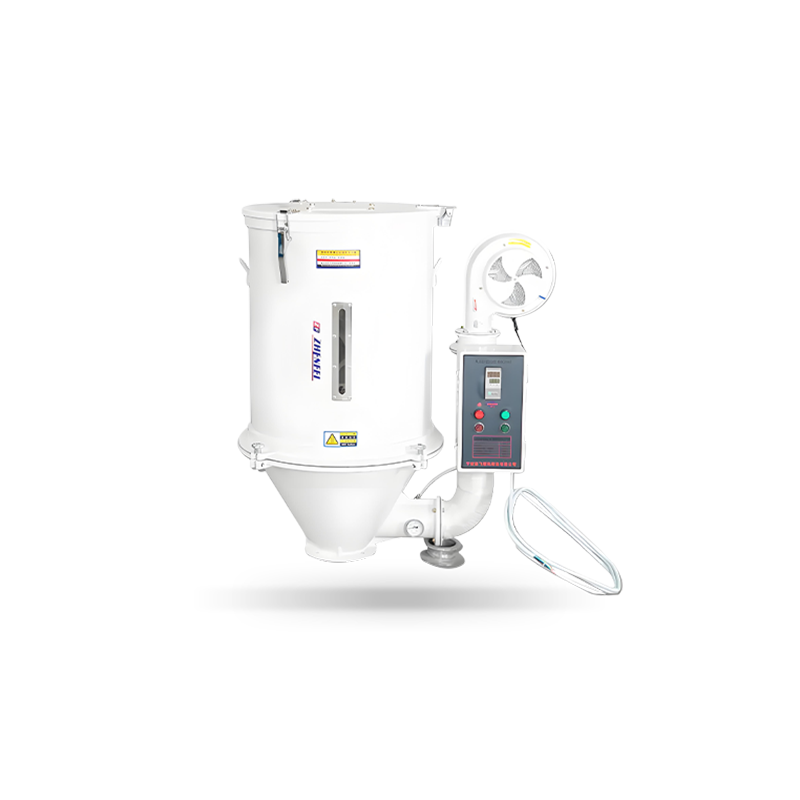
A hopper plastic dryer is an essential piece of equipment in plastic manufacturing processes. Its primary role is to remove moisture from plastic pellets or granules before they are fed into molding or extrusion machines. This process is crucial because excess moisture in plastic materials can cause significant defects, reduce product quality, and affect the efficiency of the production process. Moisture issues in plastics like PET, PA, and Nylon are particularly severe, as they can lead to hydrolysis, which weakens the plastic and makes it more difficult to process.
The drying process facilitated by the hopper plastic dryer is vital for maintaining the consistency and integrity of the plastic materials. If not adequately dried, moisture can evaporate during the molding or extrusion process, causing bubbles, streaks, and surface imperfections on the final product. These defects are not only costly to fix but also lead to significant wastage, reducing the overall efficiency of the operation.
The most important role of a hopper plastic dryer is to remove excess moisture from plastic materials before they are processed. Many plastic materials, especially hygroscopic plastics such as Nylon, Polycarbonate (PC), and Polyethylene Terephthalate (PET), absorb moisture from the surrounding environment. If these plastics are not properly dried, they will undergo undesirable reactions, such as hydrolysis, which can cause them to degrade and lose their physical properties.
During processing, moisture in plastic pellets can evaporate due to the high heat used in injection molding or extrusion. This rapid evaporation leads to surface defects like bubbles, cracks, and discoloration, which compromise the strength, appearance, and durability of the final product. Additionally, moisture can cause the plastic to expand unevenly during molding or extrusion, leading to dimensional inaccuracies and increasing the likelihood of rejects.
By using a hopper plastic dryer, manufacturers can ensure that the plastic materials are thoroughly dried, preventing these moisture-related issues. The result is a smoother processing experience and higher-quality products that meet strict specifications.
Hopper plastic dryers significantly improve the quality of the final plastic products. Moisture-free plastic materials enable consistent and uniform molding or extrusion, which directly impacts product quality. When plastic pellets are properly dried, the molding process becomes smoother, and the material flows more evenly through the mold or extruder, leading to fewer defects like warping, bubbles, and surface streaks.
For industries that demand high-quality products with precise specifications, such as automotive, medical, and electronics manufacturing, maintaining consistent moisture levels in plastic is critical. In these applications, even the slightest imperfection can lead to the rejection of the entire batch, resulting in waste and increased costs. Using a hopper plastic dryer helps eliminate these issues, ensuring that every product meets the desired standards.
The dryer also helps maintain the strength and mechanical properties of the plastic by preventing the degradation that occurs when moisture interacts with the material during processing. This results in products that are not only visually appealing but also structurally sound and durable.
There are several types of hopper plastic dryers available, each designed to suit different production needs. Here is a table comparing some of the most common types:
| Dryer Type | Features | Best Use Cases |
|---|---|---|
| Desiccant Dryer | Uses desiccant materials to absorb moisture from the plastic. Suitable for sensitive, hygroscopic plastics. | Ideal for drying materials like PET and Nylon, which require very low moisture content. |
| Hot Air Dryer | Circulates warm air over the pellets to dry them. Simple and cost-effective solution. | Suitable for less sensitive materials and moderate moisture removal. |
| Dehumidifying Dryer | Lowers ambient humidity and uses it to draw moisture from the pellets. | Best for applications where low humidity is needed for drying. |
| Vacuum Dryer | Uses vacuum pressure to expedite moisture removal. Reduces drying time and energy consumption. | Ideal for high-throughput or large-scale processing environments. |
As seen in the table, each type of hopper plastic dryer is tailored to different needs. For example, desiccant dryers are great for sensitive plastics, while hot air dryers are more suited for general applications.
Another significant benefit of using a hopper plastic dryer is the increase in processing efficiency and reduction in downtime. Moisture in plastic pellets can cause clogs and blockages in the molding or extrusion machines, leading to production halts and increased maintenance costs. By drying the pellets beforehand, manufacturers can avoid these issues and ensure smooth operations during processing.
When plastic pellets are not dried properly, they may need to be reprocessed, which wastes time and resources. Downtime for cleaning and repairing machines can also be costly and disrupt production schedules. By implementing a hopper plastic dryer, companies can keep their lines running smoothly, reducing the risk of downtime caused by moisture-related issues.
Additionally, the dryer can help optimize the temperature and humidity conditions in the production environment, leading to more consistent and efficient processing. The ability to remove moisture before the plastic enters the molding or extrusion phase ensures that the entire production process remains uninterrupted and efficient.
Hopper plastic dryers not only improve product quality and processing efficiency but also contribute to significant cost savings. Properly dried plastic materials reduce the likelihood of defects and rework, which can be expensive and time-consuming. Additionally, by minimizing the amount of scrap material produced due to moisture-related defects, manufacturers can improve material utilization, leading to a more cost-effective production process.
Modern hopper plastic dryers are designed with energy efficiency in mind. Many of these dryers feature advanced temperature and humidity controls, which allow for optimized energy use. This means that manufacturers can reduce their energy consumption and lower operational costs without compromising on performance. Furthermore, some dryers are designed to recycle heat, further reducing energy costs and contributing to a more sustainable manufacturing process.
As the demand for energy-efficient and sustainable practices in manufacturing increases, investing in a hopper plastic dryer can help companies meet environmental and economic goals simultaneously.
Q1: How does a hopper plastic dryer work?
A1: A hopper plastic dryer works by circulating warm air or using desiccant materials to absorb moisture from plastic pellets before they enter the molding or extrusion machines. The dryer ensures that the plastic is properly dried, preventing defects during processing.
Q2: What types of plastics require a hopper plastic dryer?
A2: Hygroscopic plastics, such as PET, PA (Nylon), and Polycarbonate, are particularly sensitive to moisture and require a hopper plastic dryer to ensure they are dried to the appropriate moisture levels before processing.
Q3: How can a hopper plastic dryer improve production efficiency?
A3: By removing moisture from plastic pellets before processing, a hopper plastic dryer helps prevent clogs, defects, and downtime during molding or extrusion, ensuring a smooth and uninterrupted production flow.
Recommended Products

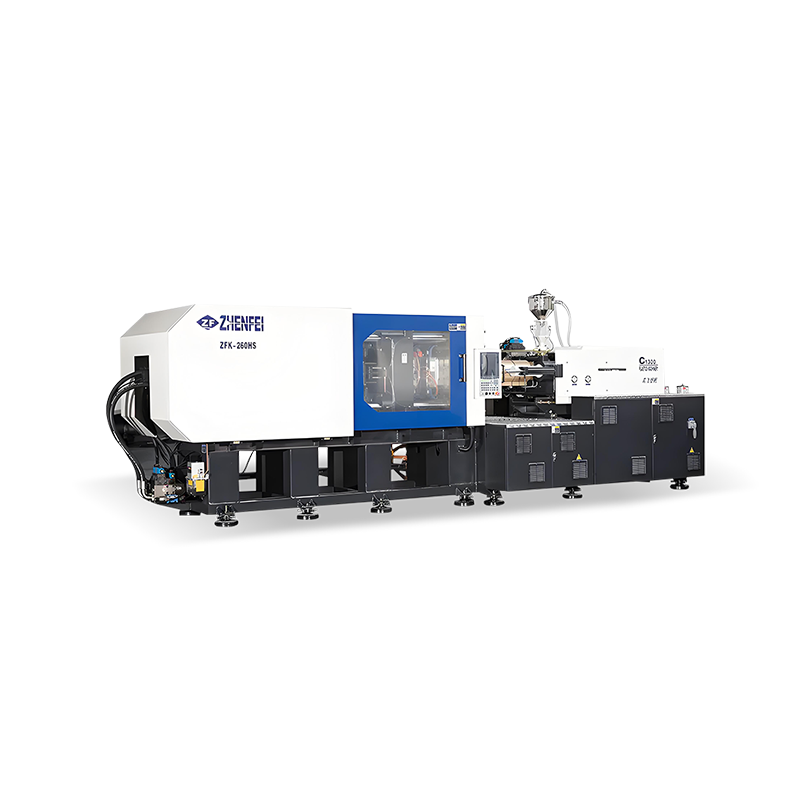
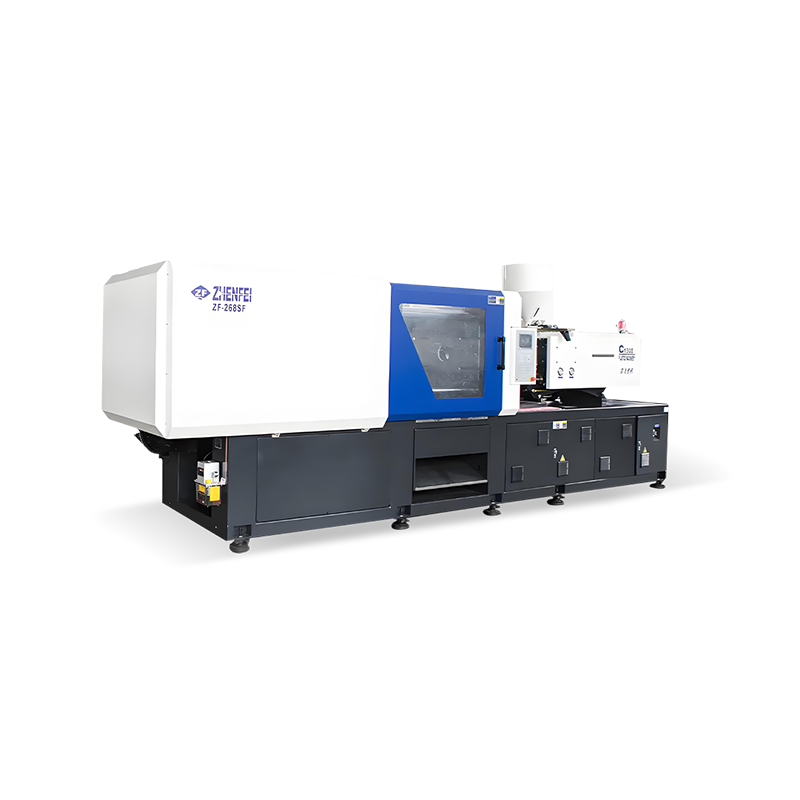
 Custom Zhenfei Electric Injection Molding Machine Manufacturers
Copyright © Ningbo Zhenfei Injection Molding Machine Manufacturing Co., Ltd. Rights Reserved.
Custom Zhenfei Electric Injection Molding Machine Manufacturers
Copyright © Ningbo Zhenfei Injection Molding Machine Manufacturing Co., Ltd. Rights Reserved.



 中文简体
中文简体 English
 Español
 中文简体
中文简体