Date:Feb 02, 2026
Content
In the modern industrial landscape, injection molding technology is the cornerstone of mass-scale plastic manufacturing. It is a highly sophisticated process capable of producing thousands of identical, complex components with tolerances measured in microns. From the high-precision housings of medical devices to the structural components in the aerospace and automotive sectors, injection molding offers a level of scalability and material versatility that other manufacturing methods, such as CNC machining or 3D printing, simply cannot achieve at high volumes. At its core, the technology involves melting plastic resins and injecting them under extreme pressure into a custom-engineered metal mold. Once the material cools and solidifies, the result is a finished part requiring little to no post-processing. However, achieving “Operational Excellence” in this field requires a deep understanding of thermodynamics, mechanical engineering, and material science.
The true power of injection molding lies in its repeatability. The process operates in a continuous, high-speed cycle that must be meticulously controlled to ensure part quality and structural integrity. Every millisecond of the cycle—from the initial clamping force to the final ejection—impacts the final product’s physical properties. For manufacturers, optimizing this cycle is the primary way to reduce costs and improve “Time-to-Market” for new products.
To fully grasp how this technology functions, we must break down the molding cycle into its four primary phases. Each phase represents a complex interaction between thermal energy and mechanical force.
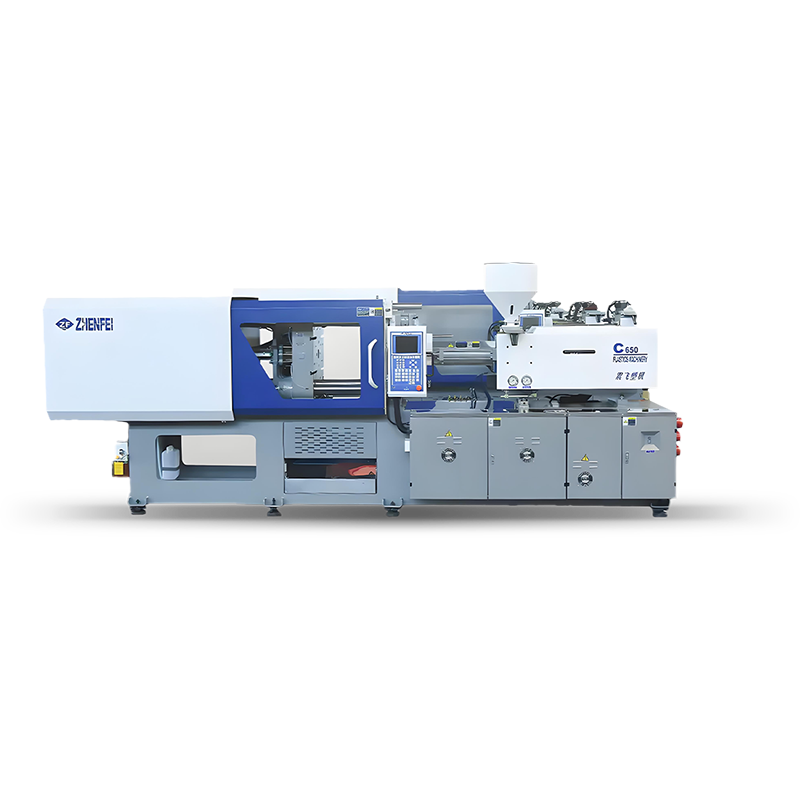
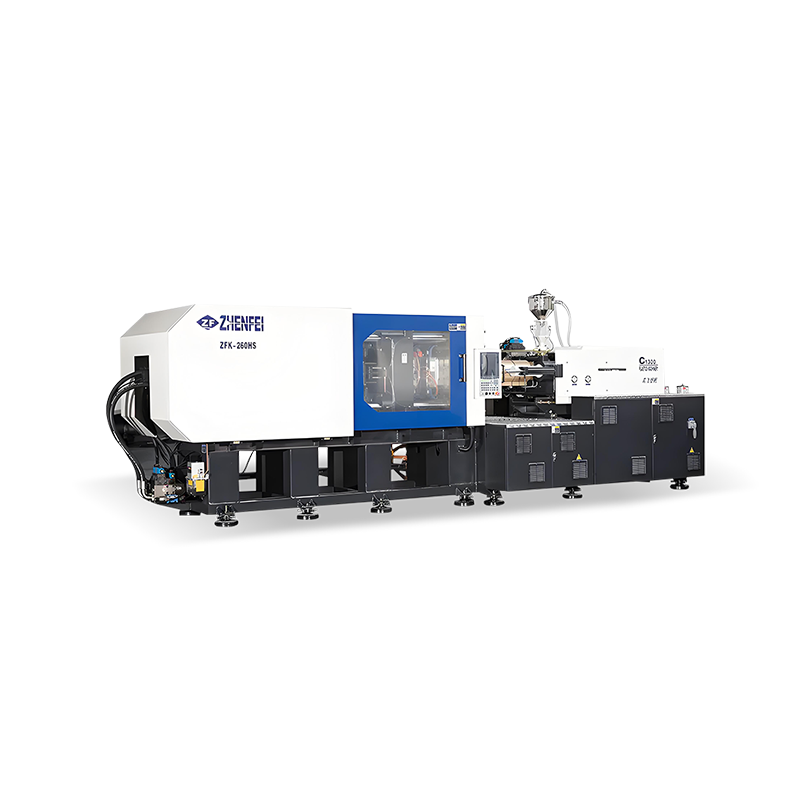
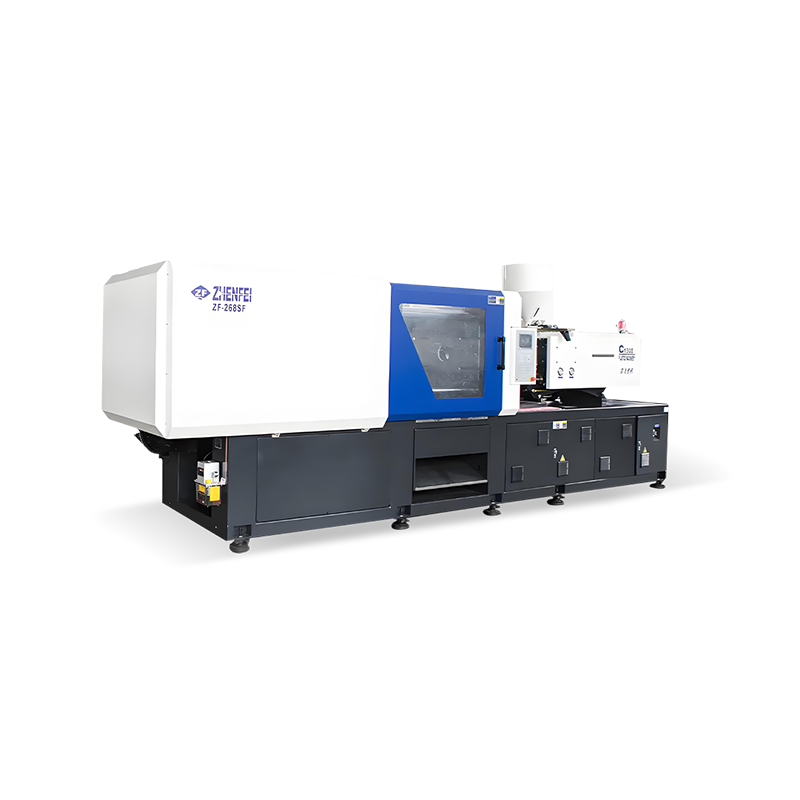
An injection molding machine is a complex assembly of three primary systems: the Injection Unit, the Clamping Unit, and the Control System. The Injection Unit is the “engine” of the process, featuring the hopper, the heated barrel, and the reciprocating screw. The Clamping Unit is the “muscle,” using either hydraulic or electric power to manage the mold’s movement. However, the most critical component is the Mold (Tooling) itself. Custom-built from hardened steel or aluminum, the mold features the “Gate” (where plastic enters), “Runners” (channels for flow), and “Vents” (to allow air to escape). For high-precision industries, the mold is an asset that can cost hundreds of thousands of dollars but can produce millions of parts over its lifespan.
Choosing injection molding over other manufacturing processes is a strategic decision driven by the need for consistency, speed, and cost-efficiency. While the initial investment in tooling is higher than other methods, the long-term ROI (Return on Investment) for high-volume production is unmatched. This technology allows companies to achieve economies of scale that are impossible with manual or subtractive manufacturing.
To fully leverage the benefits of injection molding, engineers must adhere to Design for Manufacturing (DFM) principles. This includes maintaining Uniform Wall Thickness to prevent “Sink Marks” (surface depressions) and including a Draft Angle (a slight taper on the part’s walls) to allow the part to slide easily out of the mold. In a professional setting, quality control is further enhanced through “Mold Flow Analysis”—a digital simulation that predicts how plastic will flow through the mold, allowing engineers to fix potential defects like “Weld Lines” or “Short Shots” before the first piece of steel is even cut for the mold.
The selection of mold material depends on your production volume, budget, and required thermal conductivity.
| Mold Material | Estimated Tool Life (Cycles) | Thermal Conductivity | Cost | Best Application |
|---|---|---|---|---|
| Hardened Steel (H13) | 500,000 - 1,000,000+ | High | Very High | High-volume automotive & medical |
| Pre-Hardened Steel (P20) | 50,000 - 100,000 | Moderate | Moderate | General consumer goods |
| Aluminum (7075) | 5,000 - 10,000 | Maximum | Low | Prototyping and bridge tooling |
| Beryllium Copper | N/A (Inserts Only) | Extreme | High | Critical cooling in complex cores |
| Stainless Steel | 100,000+ | Moderate | High | Medical and food-grade (Cleanrooms) |
Shot capacity is the maximum weight of plastic that a machine can inject in a single cycle. It is determined by the size of the barrel and the screw.
Uneven wall thickness causes different parts of the plastic to cool at different rates. This leads to internal stresses, warping, and surface defects known as “Sink Marks.”
The best way to reduce costs is to simplify the part design to avoid “Undercuts” (which require expensive moving parts in the mold) and to optimize the cycle time through efficient cooling design.
Recommended Products

 Custom Zhenfei Electric Injection Molding Machine Manufacturers
Copyright © Ningbo Zhenfei Injection Molding Machine Manufacturing Co., Ltd. Rights Reserved.
Custom Zhenfei Electric Injection Molding Machine Manufacturers
Copyright © Ningbo Zhenfei Injection Molding Machine Manufacturing Co., Ltd. Rights Reserved.



 中文简体
中文简体 English
 Español
 中文简体
中文简体