Date:Nov 09, 2026
Content
Search for "machine injection silicone" and you land in the middle of a conversation that is part chemistry and part hardware. Liquid silicone rubber - LSR - is not melted like ABS or polypropylene, and it does not behave like a thermoplastic inside the barrel. It cures. That single difference reshapes almost every decision you make about the machine, the mould, the temperature control and the auxiliary equipment standing around it.
What follows is a practical walkthrough: what silicone injection asks of the machine itself, which parameters are worth comparing, and how the supporting equipment keeps a process repeatable shift after shift.
Most industrial silicone parts are produced from two-component liquid silicone rubber. Component A and component B arrive in drums, are pumped in a controlled ratio - frequently 1:1 - and mixed before being injected into a heated mould. Inside the mould the addition-curing reaction begins at once, and the part solidifies within seconds to a couple of minutes, depending on wall thickness and mould temperature.
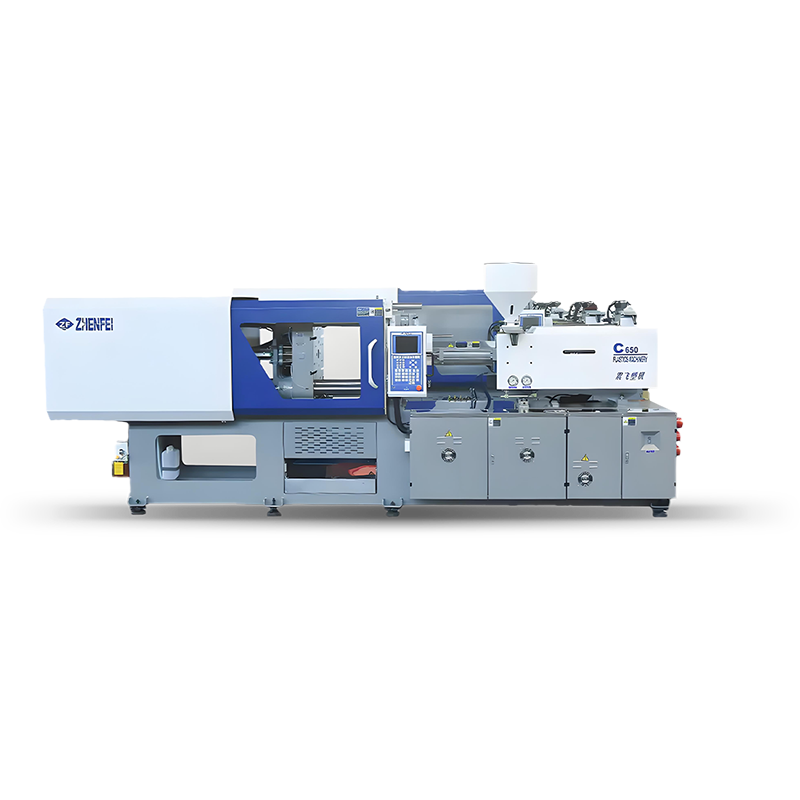
Other silicone families exist. Solid silicone rubber is handled through a different feeding route, and some workshops run silicone-adjacent thermosetting materials on machines originally designed for phenolic resins. The common thread is the same: heat is what sets the material, not what melts it. Because that inverted logic drives every specification, it helps to see how a thermoset injection machine manages curing when it runs phenolic material instead of silicone.
Put a thermoplastic process and an LSR process side by side and the differences show up immediately. Barrel, nozzle, mould and cycle logic all point in opposite directions.
| Process aspect | Thermoplastic | Liquid silicone rubber |
|---|---|---|
| Feedstock | Solid pellets | Two liquid components, A and B |
| Metering | Screw feed and melting | Pump and mixer at a controlled ratio |
| Barrel job | Melt and plasticise the resin | Keep material cool and prevent premature cure |
| Mould temperature | Cooled to freeze the part | Heated to cure the part |
| Cycle driver | Cooling time | Cure time |
| Clamping demand | Sized by projected area and flow length | Low viscosity flashes easily, so clamp force is critical |
The practical consequence is that a machine bought for high-speed thermoplastic work is not automatically the right platform for silicone. It can be, if the injection unit, thermal control and mould design are reconsidered together.
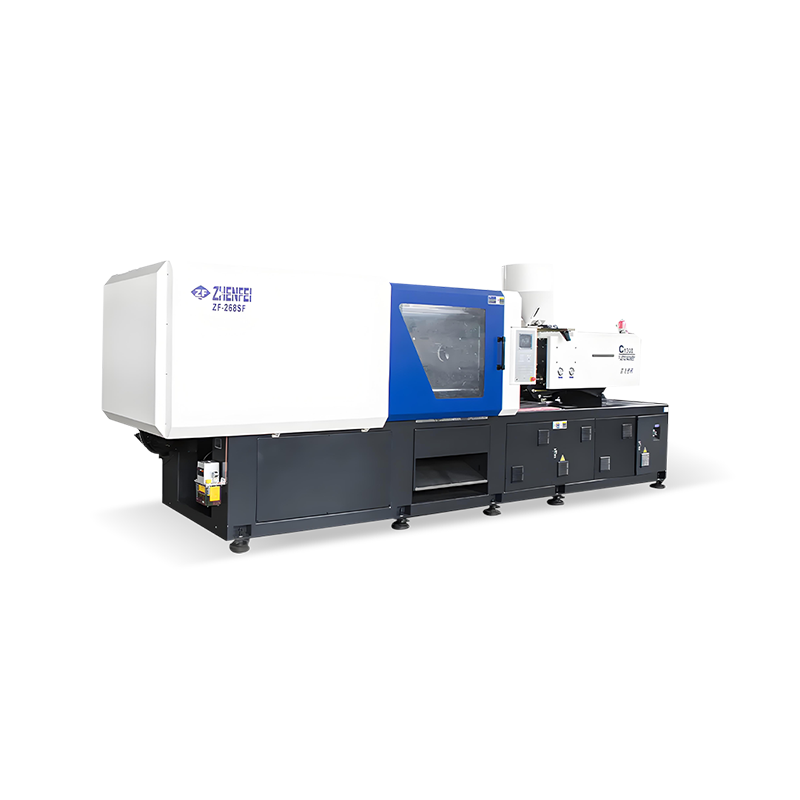
Silicone flows easily, with a viscosity closer to water than to melted polymer, so it will find the smallest parting-line gap and flash. Clamp force relative to projected area therefore deserves more attention than it usually gets in thermoplastic work. Tonnage range tells you how wide a product portfolio one platform can cover: a servo energy-saving line spanning 50 to 2500 tonnes handles everything from small precision parts to large mouldings, while a 260 to 420 tonne rapid-moulding machine suits medium parts where cycle time is the priority.
 ZF Series Servo Energy-Saving Injection Molding Machine 50T-2500TServo-driven platform spanning 50T to 2500T, suited to precision and large moldings with closed-loop control, energy savings and repeatable part quality.View Product →
For LSR, metering is often done by a pump rather than by a screw, and the barrel is simply kept cool. For solid silicone and thermosetting compounds, the screw and barrel combination matters a great deal: a gentle compression ratio, no dead zones where material can sit and set, and a temperature profile that keeps the compound below cure temperature until the moment it enters the mould. Materials that cure rather than freeze punish any design detail that lets them linger.
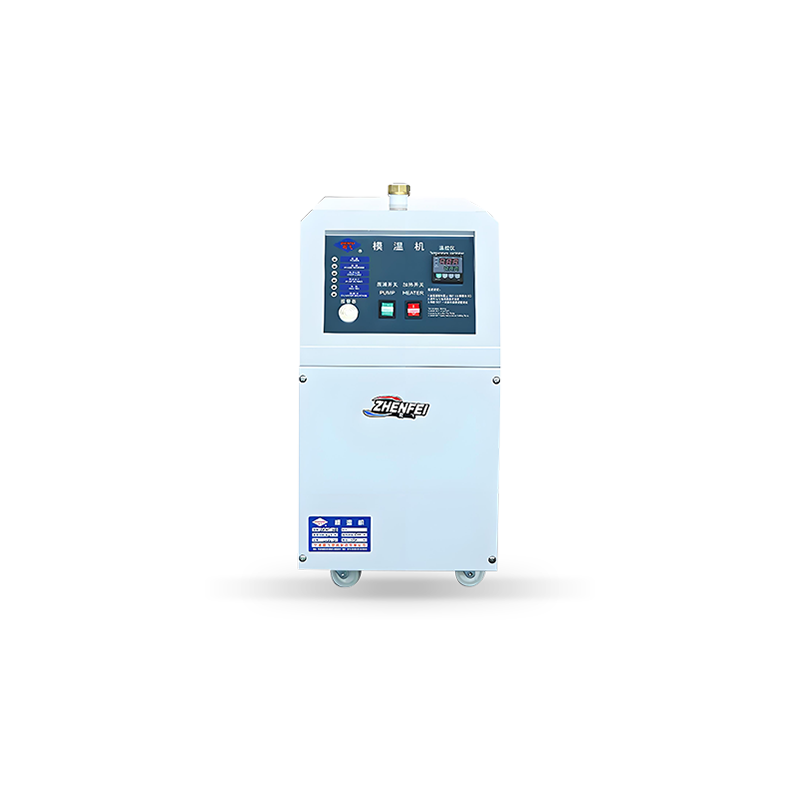
There are two separate thermal jobs here. The mould must be heated and held stable, typically in the 150 to 200 degrees Celsius band, because a few degrees of drift shows up as short shots, blisters or inconsistent cure. The barrel, nozzle and feed path must stay cool so the compound does not start reacting before it is injected. Hydraulic systems, in turn, need their oil temperature kept in range, which is where chillers earn their place.
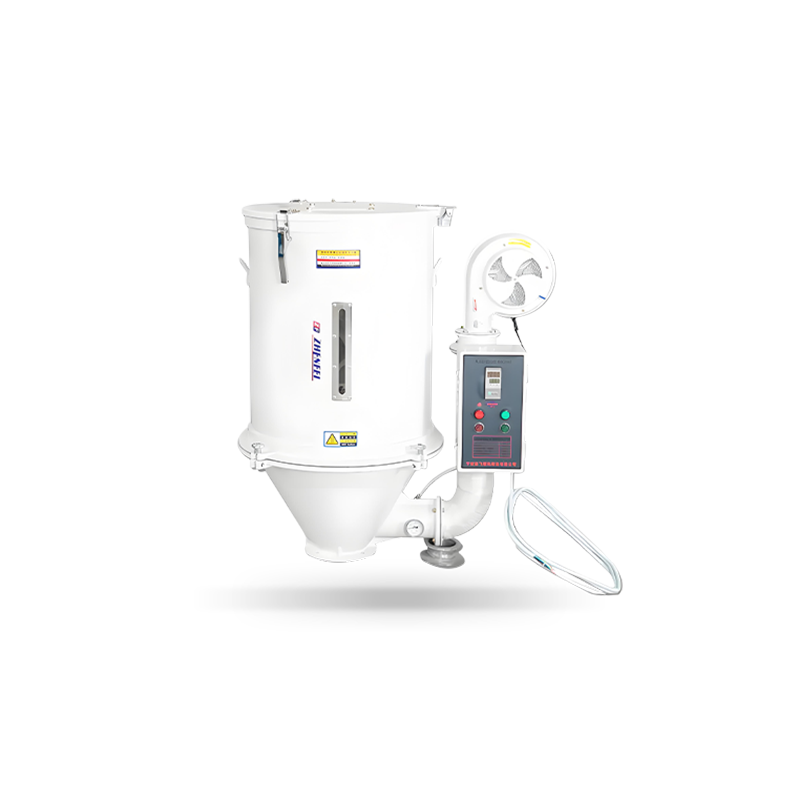
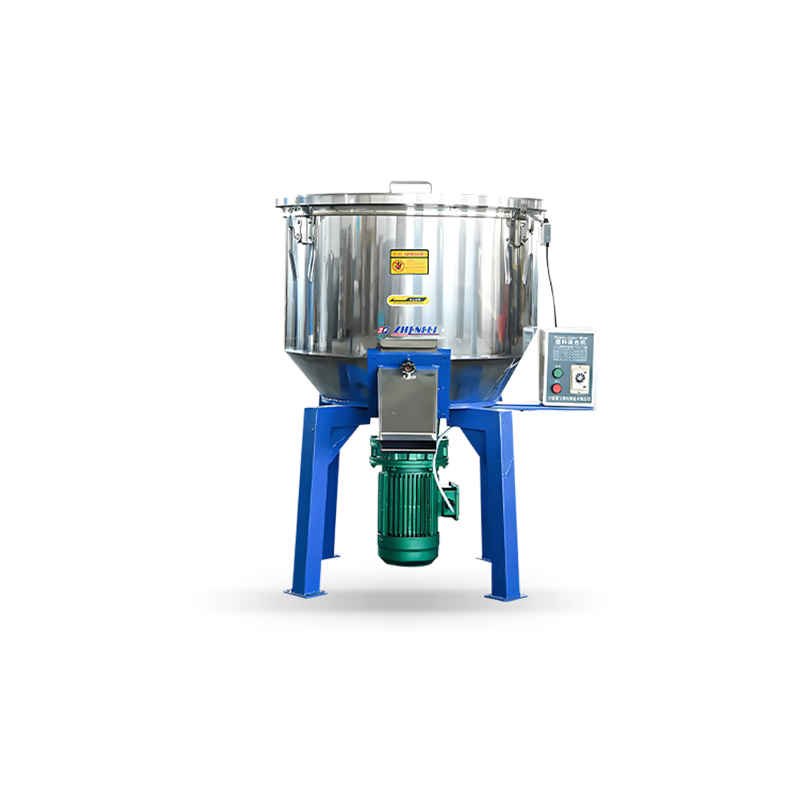
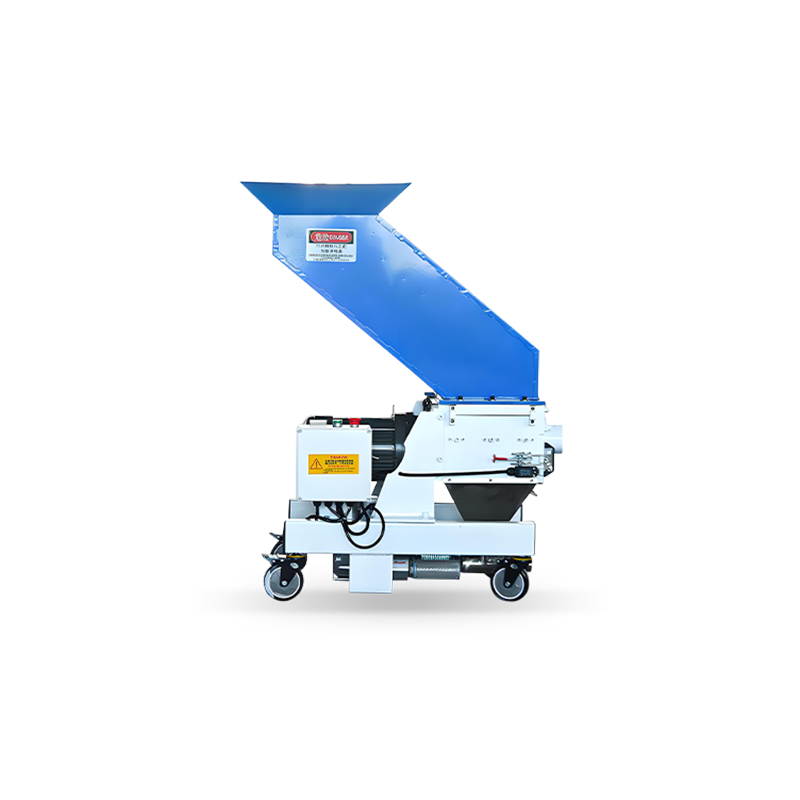
The machine is the centre of the process, but stability usually comes from the equipment around it:
Automatic Mould Temperature Control Machine for Stable MoldingAuxiliary PID-controlled unit that keeps mold temperature within range, reducing warping, shrinkage and surface defects while lowering manual intervention and energy use.View Product →
None of these units is glamorous, but they decide whether the process holds its tolerance at hour eight the way it did at hour one.
Start from the part, not the machine. Part weight and wall thickness set the shot size. Projected area and flow length set the clamp requirement. Annual volume and tolerance band decide whether a servo-driven platform is worth the investment or whether a standard hydraulic machine is the more sensible buy. Then add the material question: if your production includes heat-curing compounds alongside thermoplastics, a machine built specifically for that family saves a great deal of trial and error, since its barrel, screw and temperature logic were designed for materials that set rather than solidify.
JM Series Bakelite Thermoset Injection Molding Machine 178T-408TThermoset-focused platform from 178T to 408T with specialized barrel screw, cooling and plasticizing systems for Bakelite parts requiring consistent, heat-resistant electrical components.View Product →
Only after those numbers are settled does automation level, energy consumption and floor space become meaningful comparisons.
Working through this list takes an afternoon, and it is far cheaper than discovering a mismatch during commissioning.
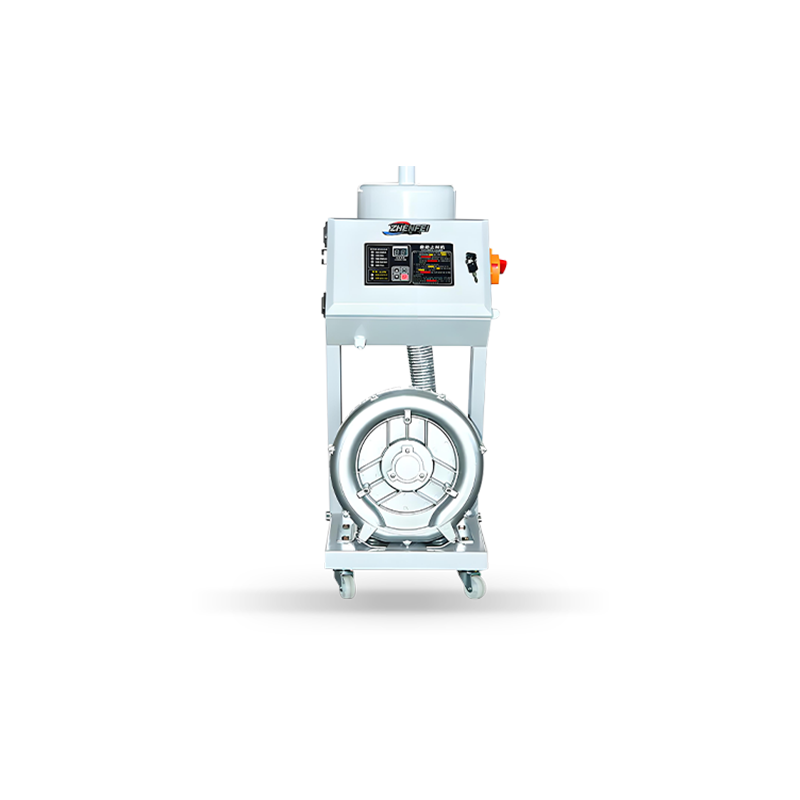
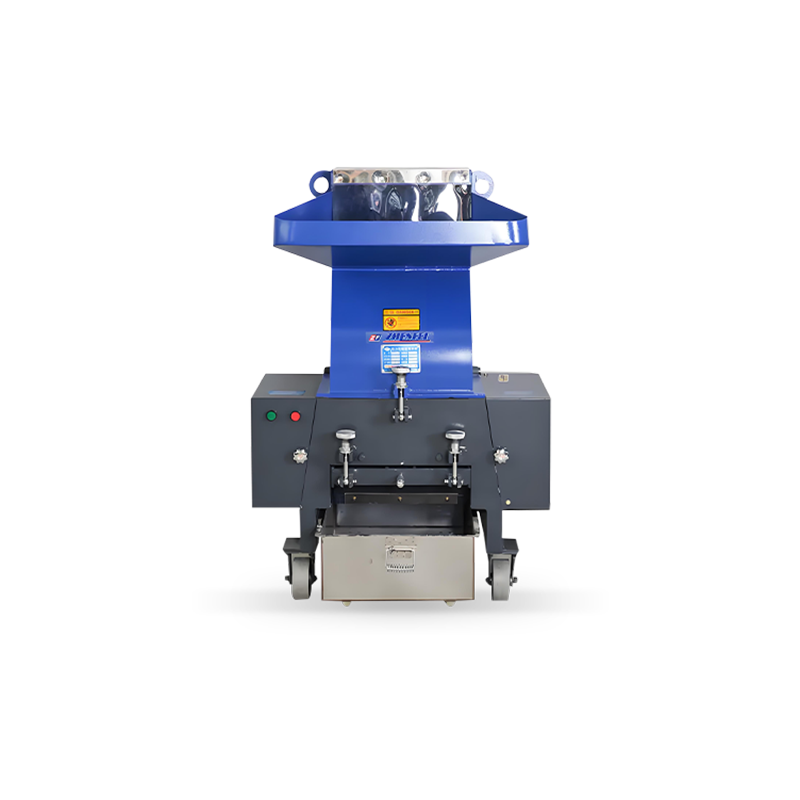
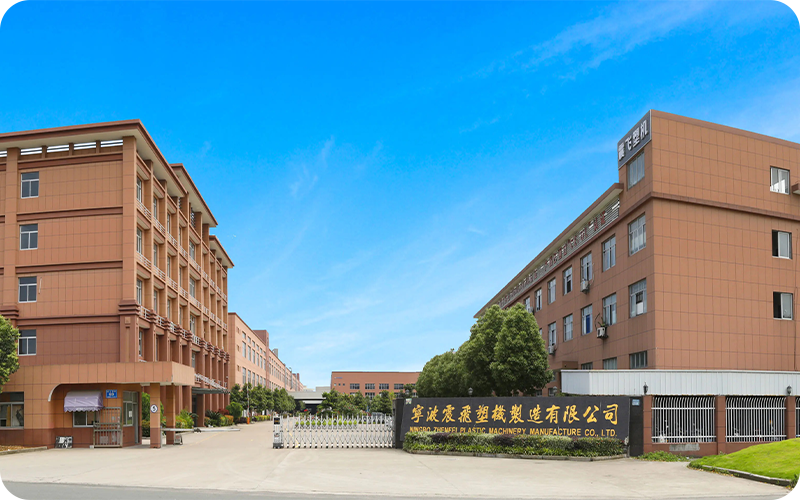
At Zhenfei, we build injection moulding machines and the auxiliary equipment that surrounds them at our base in Yuyao, Zhejiang, on a production area of more than 50,000 square metres run under 6S lean management. Our ZF series covers 50 to 2500 tonnes, the HS series addresses medium-tonnage rapid moulding between 260 and 420 tonnes, and the JM series is built for heat-curing compounds in the 178 to 408 tonne range. Alongside them we supply mould temperature controllers, thermal controllers, chillers, autoloaders, dryers, colour mixers and crushing or recycling machines, so a workshop can assemble a coherent line rather than a collection of mismatched units.
Our product quality system follows ISO 9001 practice, and selected export models carry CE certification. If you are weighing up a silicone or thermoset project, you can look through our full range of injection moulding machines or send us the part drawing and material data - we will tell you honestly which platform suits it.
Recommended Products

 Custom Zhenfei Electric Injection Molding Machine Manufacturers
Copyright © Ningbo Zhenfei Injection Molding Machine Manufacturing Co., Ltd. Rights Reserved.



 中文简体
 English
 Español
 中文简体