Date:Oct 26, 2026
Content
Walk into a molding shop that has been running for two decades and you will usually find the heavy work being done by a hydraulic injection machine. That is not nostalgia. Hydraulics turn a modest electric motor into an enormous, easily controlled force, and injection molding is a business built on controlled force: force to hold a mold shut, force to push melt through a narrow gate, and force to pack a part before it cools.
A hydraulic injection machine is simply an injection molding machine whose clamping, injection and screw-drive motions are powered by pressurized oil rather than by separate electric servos. All-electric and hybrid presses have taken a growing share of the market, particularly in small-tonnage, high-precision work, yet hydraulics remain the default choice for large parts, thick walls, thermoset materials and anything that needs serious clamp force at a sensible price. This guide covers how the hydraulic system works, where it still wins, and how to keep one healthy.
Most hydraulic machines share one power unit between two circuits, and understanding those two circuits explains almost everything about how the machine behaves.
When the mold closes, a hydraulic cylinder pushes the moving platen forward until the two mold faces touch. Oil pressure then continues to build, and that pressure acting on the piston area becomes clamp force, the tonnage printed on the machine nameplate. Because the force comes from fluid pressure rather than from a mechanical screw, it is inexpensive to build very large tonnages, and the force is spread across the platen reasonably evenly, which is kind to large molds. Toggle-clamp and two-platen designs both use the same principle; they simply differ in how the force is transmitted.
A hydraulic motor turns the screw to melt and meter the shot. When injection begins, a separate cylinder pushes the screw forward like a plunger, and a check valve at the screw tip stops melt from flowing back. Varying pump output during the stroke gives you the multi-stage injection profile that most parts need: fast fill, slower packing, controlled hold. Hydraulic machines are particularly good at the slow, long hold stages that thick-walled parts demand.
The power unit is the motor, pump, reservoir, filters, valves and oil cooler. Older machines used fixed-displacement pumps that pushed a constant flow no matter what the cycle needed, which is why they earned a reputation for wasting electricity. Modern servo-driven pumps vary their speed to match demand, and the difference in consumption is significant. Machine builders commonly report large reductions compared with fixed-pump designs, and that is the technology behind most energy-saving machines sold today.
Every buyer faces the same question eventually. There is no universal answer, because it depends on part size, material, precision requirement and how much you value a simple, repairable machine.
| Aspect | Hydraulic | All-electric | Hybrid |
|---|---|---|---|
| Force generation | Cylinder and oil pressure, easy to scale up | Servo motor and ball screw, costly to scale up | Servo-driven hydraulics |
| Typical tonnage | 50 t up to well over 2,500 t | Mostly under 500 t | Roughly 200 t to 1,500 t |
| Energy at idle | Highest with fixed pumps, much lower with servo pumps | Lowest | Moderate |
| Injection repeatability | Good, and improved by closed-loop control | Excellent | Very good |
| Maintenance focus | Oil, filters, seals, coolers | Belts, screws, drives | Both sides of the machine |
| Best fit | Large, thick, thermoset, cost-sensitive work | Small precision parts and clean environments | Mixed production floors |
In our experience the decision is rarely about fashion. If your parts are large, your material is abrasive or heat-sensitive, or your budget has to cover several machines rather than one, hydraulics usually win. If your parts are small, your tolerances are tight and electricity is your biggest line item, all-electric presses make sense. For a longer side-by-side, we keep a detailed write-up on hydraulic versus electric injection molding machines in our knowledge base.
After enough projects, patterns appear. Hydraulics tend to be the right answer when:
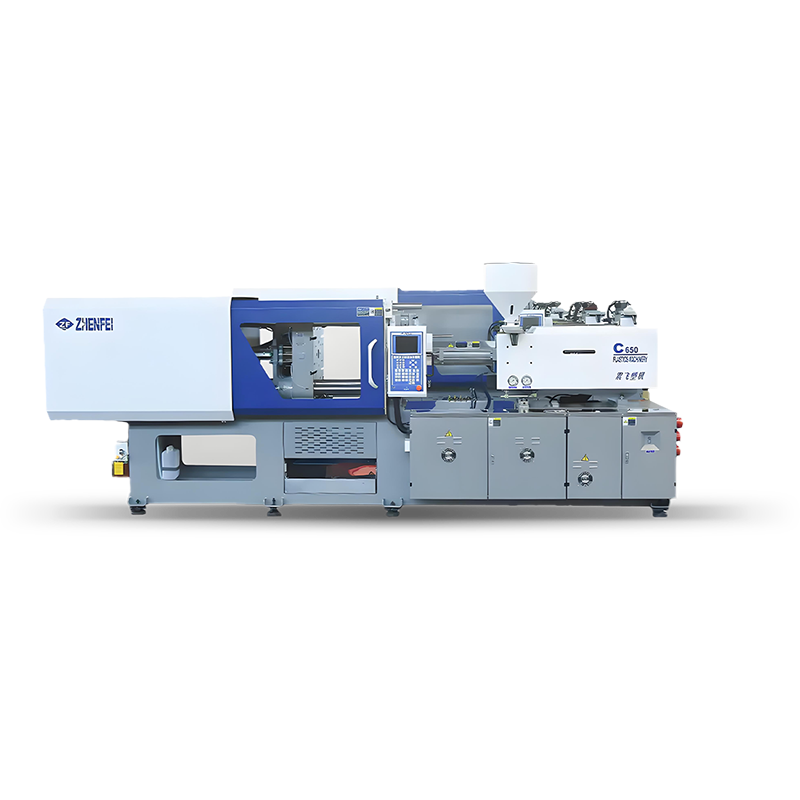
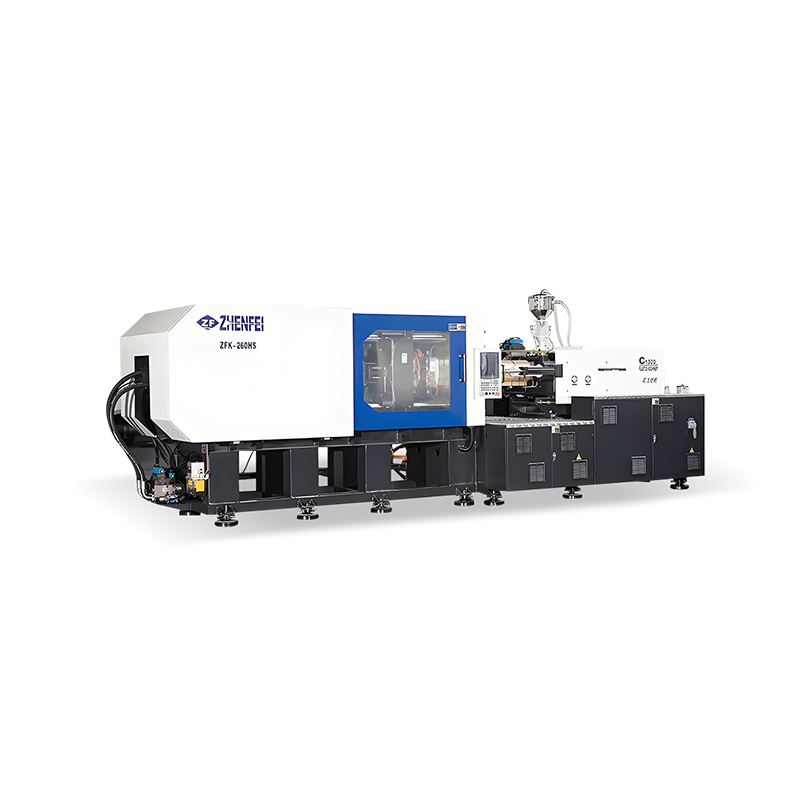
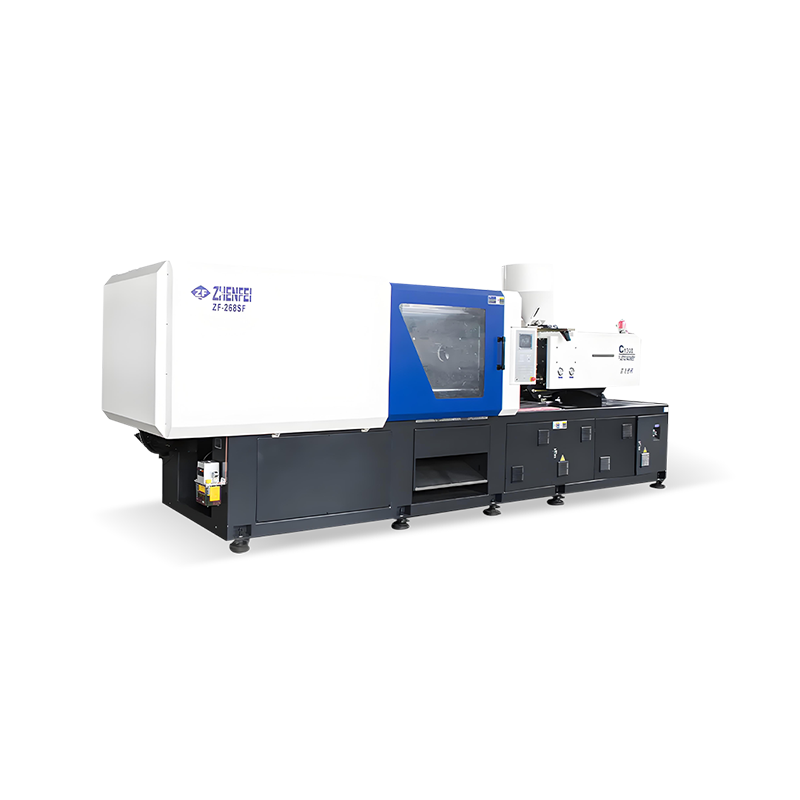
Servo-driven hydraulics make this list longer than it used to be. Our own ZF series, for example, uses servo-controlled hydraulics across a 50 t to 2,500 t range, so the clamping advantage stays while the idle losses drop.
 ZF Series Servo Energy-Saving Injection Molding MachineServo-controlled hydraulics across 50T to 2,500T reduce idle losses while supporting stable, repeatable thermoplastic molding for automotive, electronics, medical, and packaging parts.View Product →
Thermoplastics are forgiving. A general-purpose screw with a sensible compression ratio and a decent length-to-diameter ratio will handle polypropylene, ABS and most of what a job shop sees, as long as the shot size and clamp force are right.
Thermosets are not forgiving. Phenolic resins cure rather than freeze, and they cure a little more every second they sit in a hot barrel. That means the machine needs precise barrel temperature zoning, a screw geometry that keeps residence time short, and enough injection pressure to fill the cavity before the material starts to set. Because these materials are abrasive and the process runs hot, hydraulic machines remain common in this corner of molding. Our JM series covers 178 t to 408 t for phenolic and similar materials.
JM Series Bakelite Injection Molding Machine, 178T-408TFor phenolic and similar thermosets, this 178T-408T series uses specialized barrel cooling and plasticizing to prevent molten material from solidifying and support consistent production.View Product →Hydraulic machines are more sensitive to temperature than electric ones, because the oil itself is part of the transmission. When oil runs hot, viscosity drops, internal leakage rises, and the machine loses both speed and repeatability. Keeping the hydraulic oil, the mold and the raw material inside their proper windows is what separates a stable process from a frustrating one.
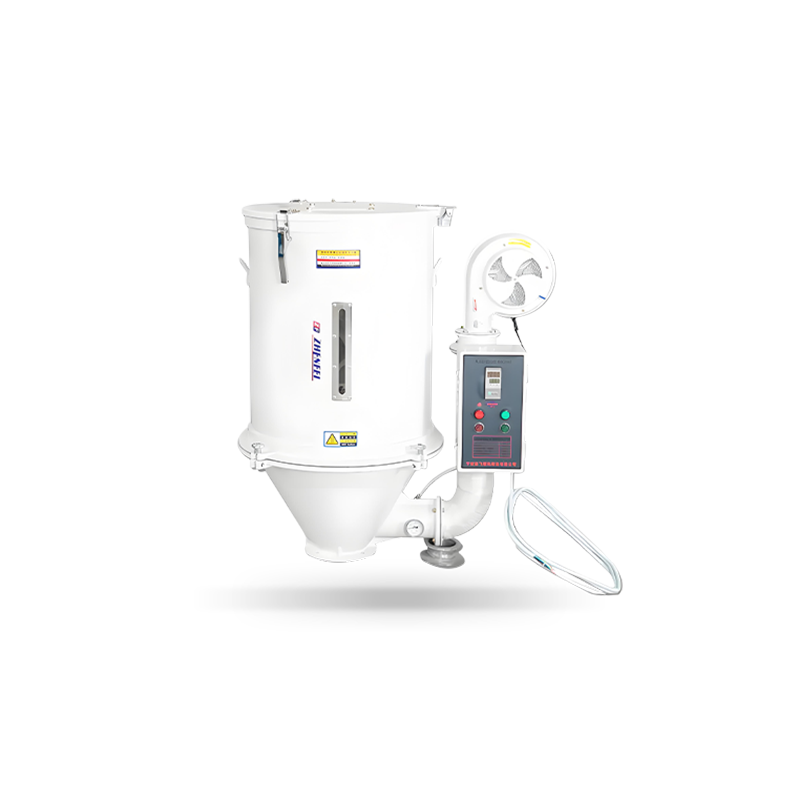
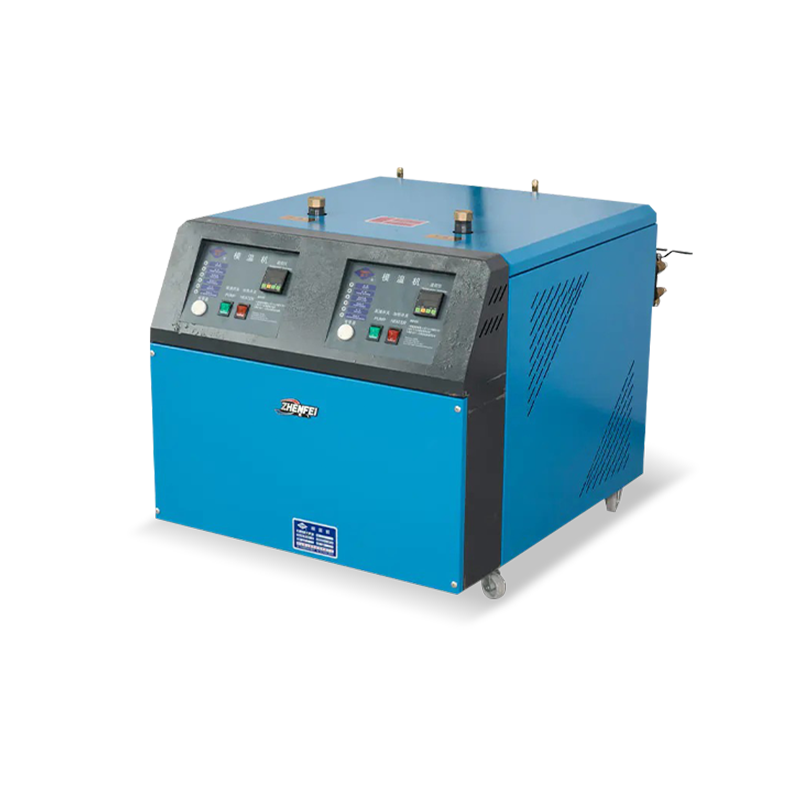
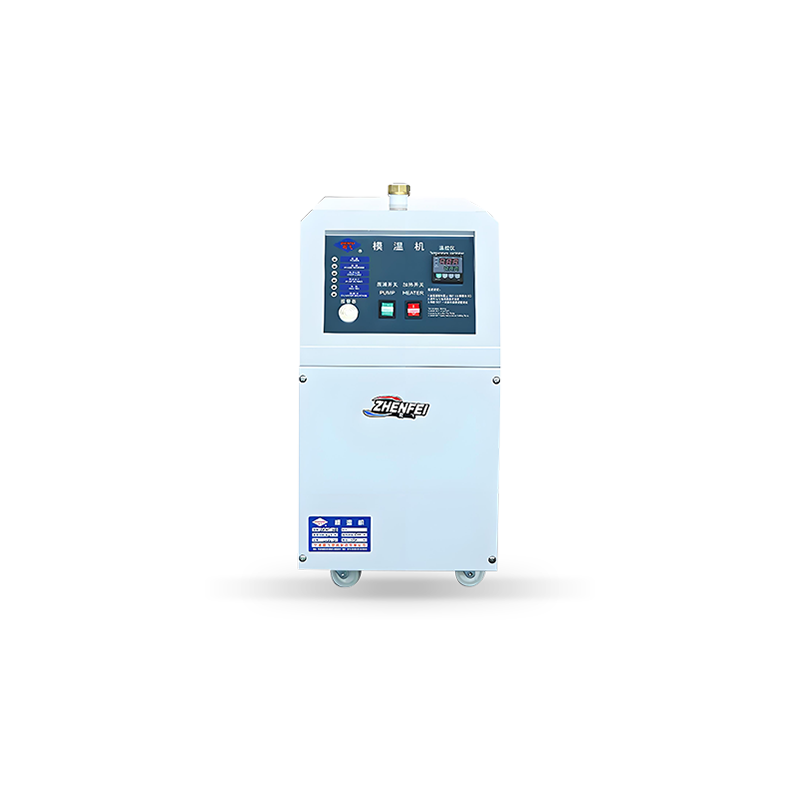
That is why the equipment around the press matters so much:
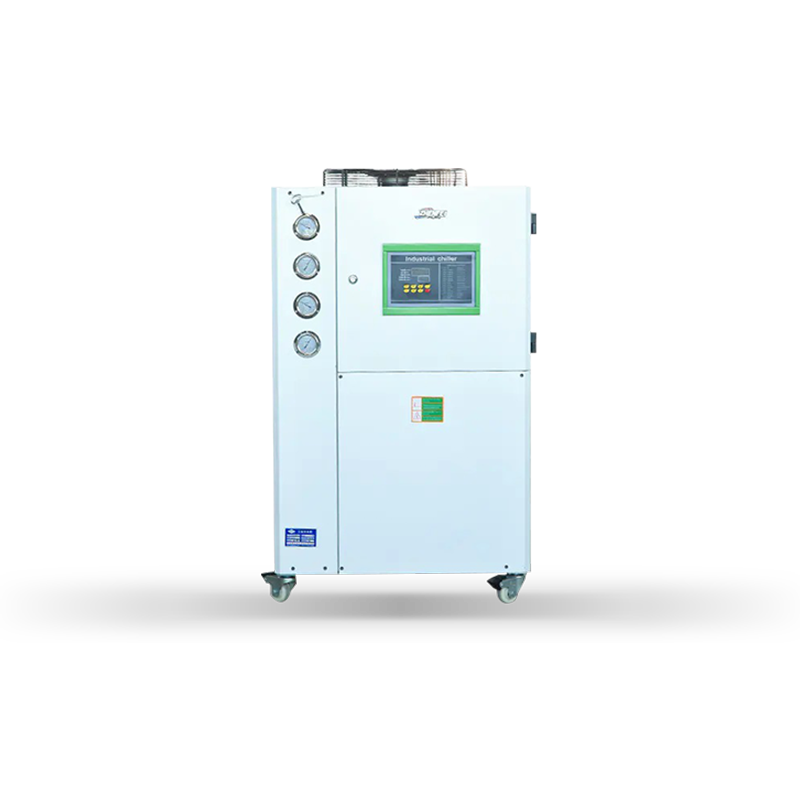
Cooling is the piece most often underestimated. On a hydraulic machine the oil cooler, the mold circuit and the feed throat all compete for the same chilled water, and a chiller that is slightly undersized shows up as drifting cycle times long before anyone suspects the water supply.
Industrial Chiller for Injection Molding and Process CoolingAuxiliary cooling equipment for mold temperature control, process cooling, and HVAC, with energy-efficient features and adaptable temperature ranges for manufacturing, pharmaceutical, and food applications.View Product →Bring these numbers to any supplier conversation and the discussion gets much shorter.
You can see tonnage and configuration options in our injection molding machine range if you want a starting point for comparison.
A hydraulic machine rewards basic discipline. Nothing on this list is exotic, but skipping it is how a good press turns into a maintenance problem.
Choosing a hydraulic injection machine is less about comparing brochures and more about matching force, flow and temperature control to the parts you actually sell. The technology is mature, which is a good thing: the principles are well understood, the machines are repairable, and a well-maintained press can serve a plant for a very long time.
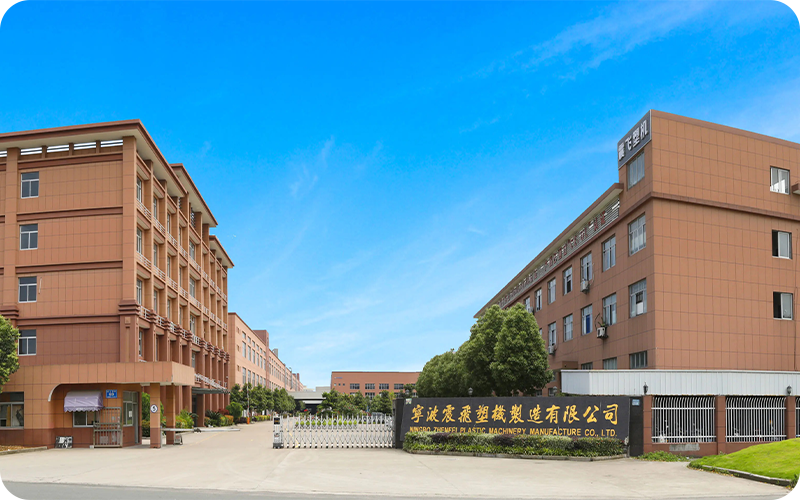
We build injection molding machines and the auxiliary equipment that surrounds them at our facility in Yuyao, Zhejiang, and we would rather ask you the right questions than quote you the wrong machine. Tell us the part, the material and the cycle time you need, and we will help you work out the tonnage and configuration that fit.
Recommended Products

 Custom Zhenfei Electric Injection Molding Machine Manufacturers
Copyright © Ningbo Zhenfei Injection Molding Machine Manufacturing Co., Ltd. Rights Reserved.



 中文简体
 English
 Español
 中文简体