Date:Oct 05, 2026
Content
When three different injection machine manufacturers quote for the same project, the proposals rarely look comparable. One offers a 250-ton servo machine; another quotes a 180-ton standard hydraulic unit; a third throws in a dryer and a mold temperature controller without extra cost. The cheapest quote is rarely the cheapest once you account for energy, reject rates, and spare parts. The real question is not which brand has the biggest name, but which manufacturer can match your production profile for the next five to seven years. This guide explains how to evaluate injection machine manufacturers by looking at machine range, specialized engineering depth, energy efficiency, auxiliary equipment coverage, and quality support.
The first thing to examine is clamping force range. A manufacturer that builds machines from 50 tons to 2500 tons is signaling a general-purpose engineering capability. That breadth matters when your plant runs both small precision components and large crates or pallets, because you can source everything from one vendor and standardize on one service network, one set of control parameters, and one spare-parts inventory. For a buyer who runs a mixed portfolio of parts, that broad range has a direct operational benefit: one vendor for spare parts, one service team, and one control system across the plant.
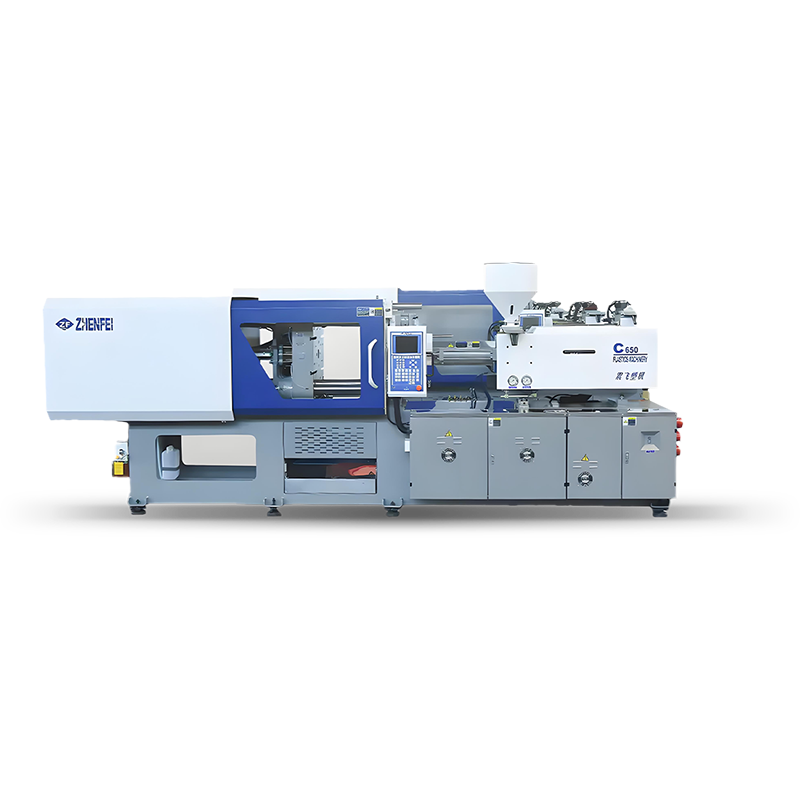
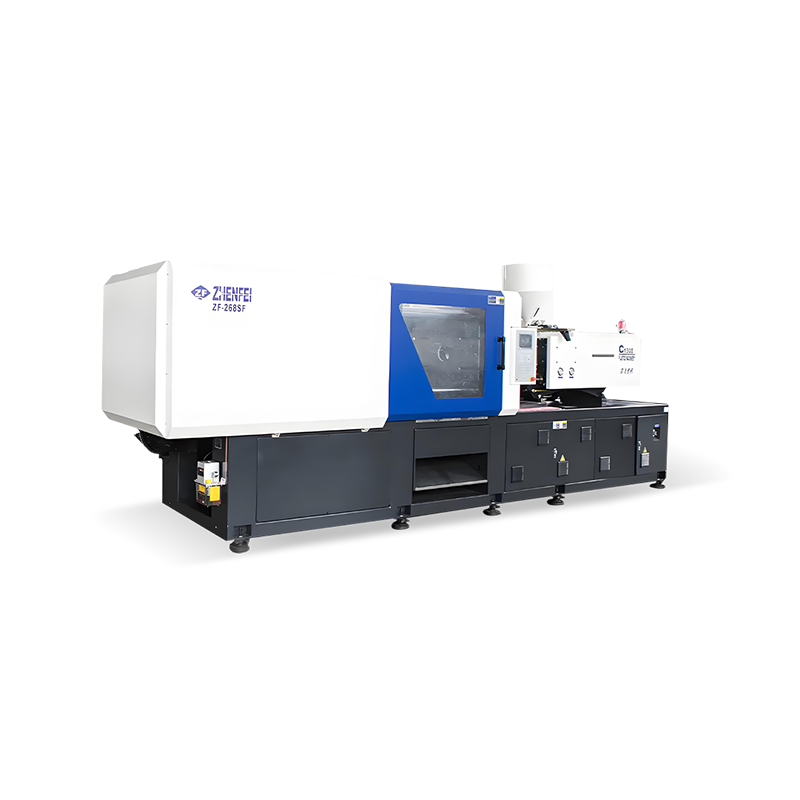
 ZF Series Servo Energy-Saving Injection Molding Machine with 50T to 2500T Clamping ForceThe ZF Series offers a broad clamping force range from 50 to 2500 tons, allowing consistent hydraulics and control across small and large machines. This variety simplifies spare parts, training, and maintenance when managing a mixed production portfolio.View Product →
To see what a broad range looks like in practice, consider the ZF series servo energy-saving injection molding machines from Zhenfei. They span locking forces from 50t to 2500t, which means the same manufacturer is responsible for consistent hydraulics, control logic, and component sizes from the smallest desktop machines to large industrial units. That consistency reduces operator training and maintenance complexity across your entire floor.
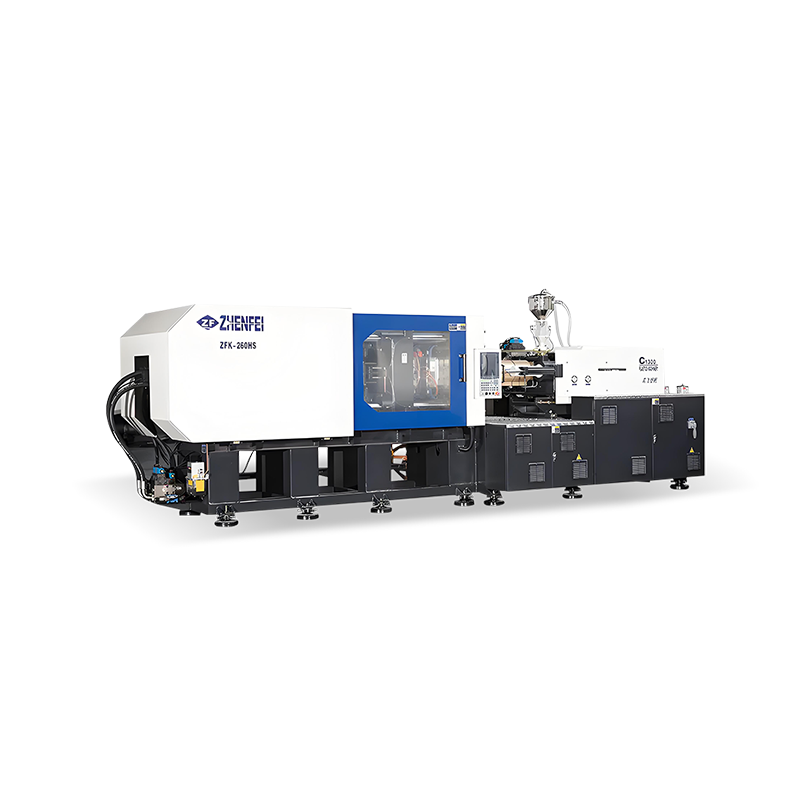
A manufacturer that also builds specialized machines reveals deeper engineering capability. The HS series rapid prototyping machines occupy the 260t to 420t range and are designed for fast cycling and thin-walled products. That specialization requires tuned injection speeds, clamping response, and pressure holding control, because short cycle times amplify timing errors that a slower machine would mask.
HS Series Rapid Prototyping Machine for Fast Cycling and Thin-Walled Parts (260T-420T)The HS Series, covering 260 to 420 tons, is designed for rapid cycling and thin-walled products. Its specialized injection speed and pressure control help minimize timing errors, making it suitable for industries like food and beverage packaging.View Product →
Similarly, the JM series Bakelite injection molding machines serve thermosetting materials. Unlike thermoplastics, thermosets cure after injection and cannot be remelted. That chemical difference changes barrel design, screw geometry, temperature control strategy, and maintenance routines. A manufacturer that engineers equipment for reactive materials demonstrates a deeper understanding of material behavior than one that simply assembles standard hydraulics.
Energy consumption is the second decisive factor. The hydraulic system is the largest electricity consumer on an injection molding machine. Servo energy-saving systems modulate hydraulic output to match the real demand of each phase of the cycle, instead of running a fixed-displacement pump at constant speed. The actual saving depends on your product mix, but for long production runs the difference between a servo machine and a conventional hydraulic machine can be enough to pay back a price gap in months rather than years.
A manufacturer that explains its energy-saving approach, rather than just labeling a machine as green, makes your evaluation easier. The servo drive is the component that actually determines how much power is used at each stage of the cycle, so ask for the specific drive configuration and supported energy-saving modes. Those details tell you whether the manufacturer has invested in the technology or is simply using the term as a marketing label.
Injection molding is not a single-machine process. Once you add material feeding, drying, color mixing, mold temperature control, and regrind handling, the injection machine becomes one part of a production system. A supplier that manufactures both main machines and auxiliary equipment is more likely to understand how those components interact, because it has to solve the integration problems itself.
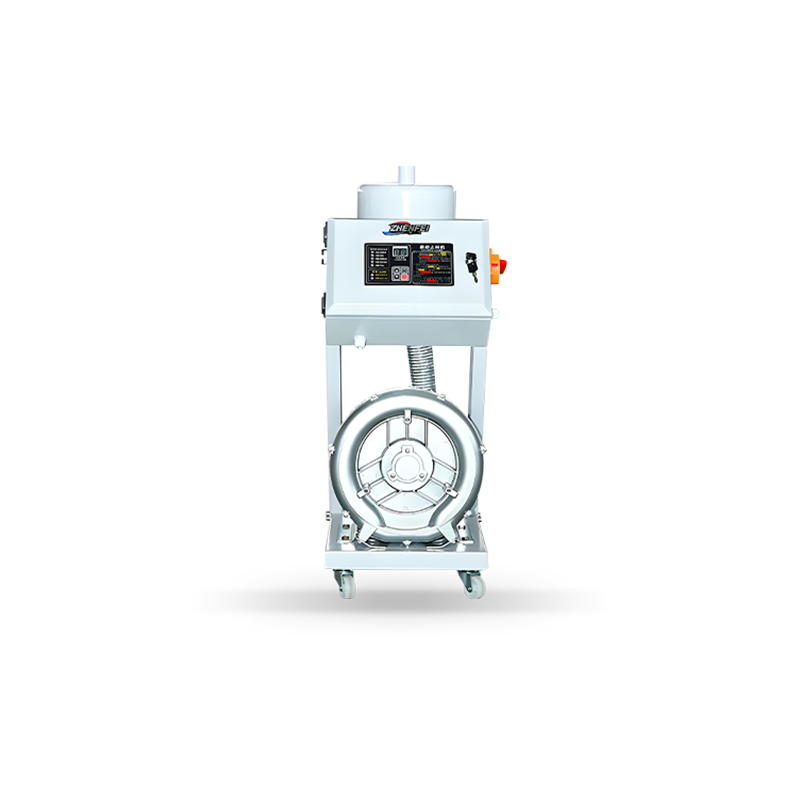
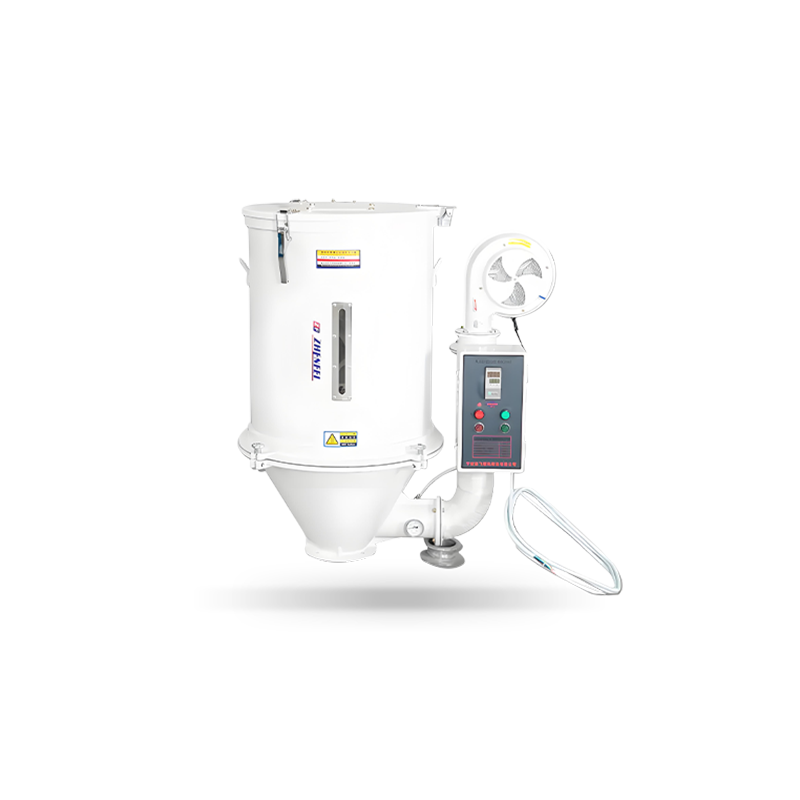
SDF Hopper Plastic Dryer for Efficient Material DryingThe SDF Hopper Plastic Dryer provides uniform hot air distribution and accurate temperature control, reducing drying time and improving injection rates. It integrates easily with other auxiliary equipment for a cohesive production system.View Product →
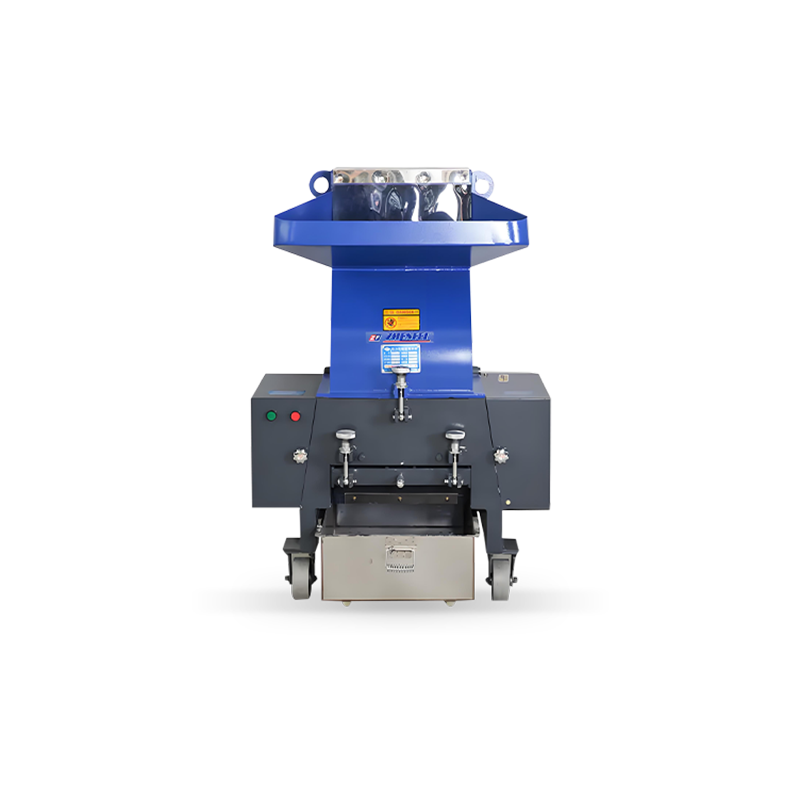
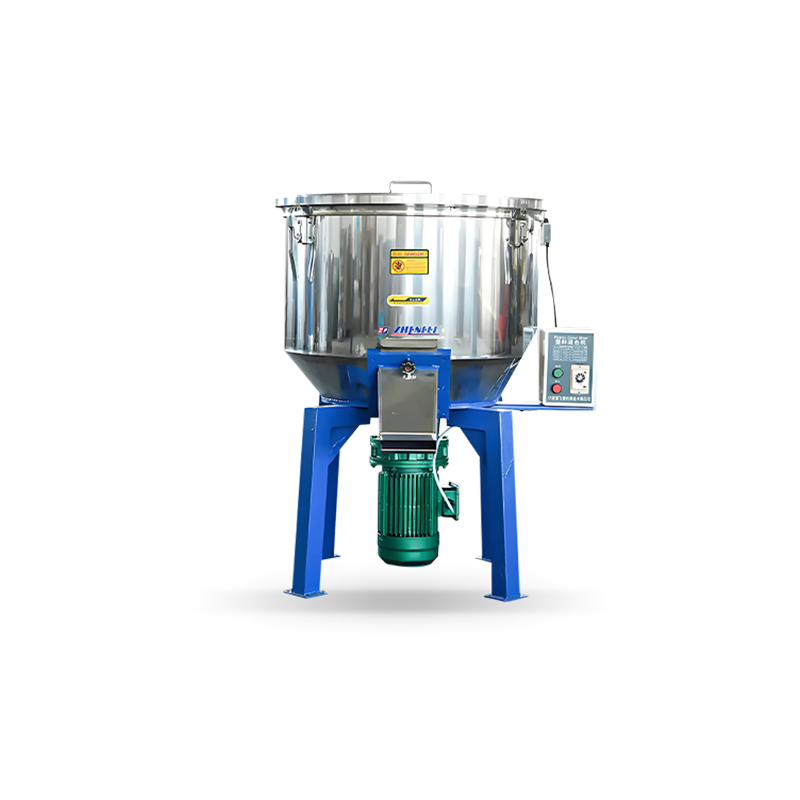
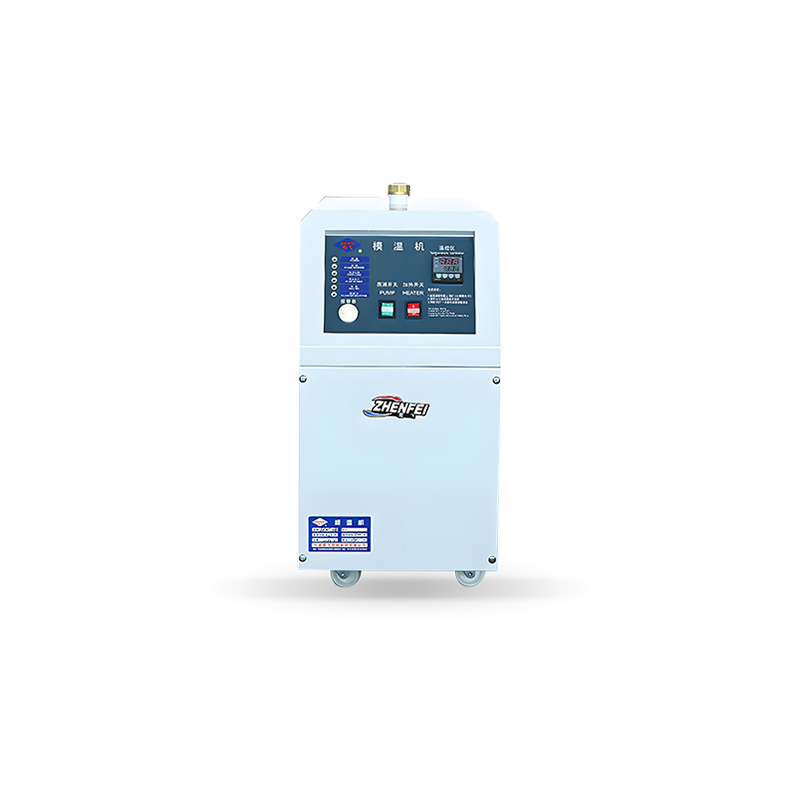
The SDF hopper plastic dryer is an example. Moisture in hygroscopic resins causes splay marks, bubbles, and strength loss in the final part. If the dryer is undersized or poorly matched to the injection machine, you may not notice the problem until rejected parts start piling up. Zhenfei's auxiliary line includes HAL vacuum autoloaders for material transfer, VKG color mixing machines for masterbatch dosing, automatic mold temperature controllers and thermal controllers for heat management, industrial chillers for process cooling, PC series strong crushers, and pulverizing automatic recycling machines for recovery of sprues and scrap. When one supplier provides all of these, you can align sizing, control interfaces, and spare parts under a single point of responsibility.
Equipment specification is only half the evaluation. The other half is whether the manufacturer can sustain consistent quality over the lifespan of the machine. The following table gives you a practical side-by-side comparison checklist.
| What to check | Why it matters |
|---|---|
| ISO 9001 certification | Confirms a documented quality management system and repeatable manufacturing processes. |
| CE and UE certification | Required for shipments to the European market and signals compliance with safety directives. |
| Production facility scale | Larger facilities indicate capacity for multi-machine assembly, quality inspection, and future expansion. |
| On-site management system, for example 6S | Reflects organized production flows, cleaner workshops, and standardized work procedures. |
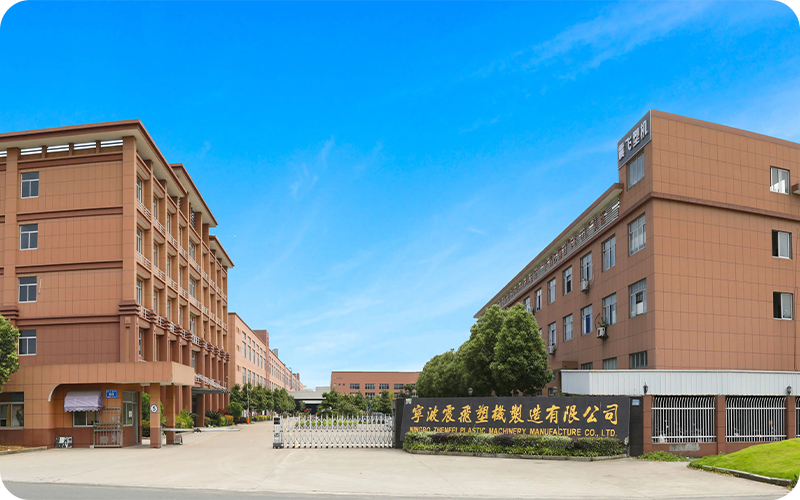
Zhenfei operates a production base of more than 50,000 square meters and states that its ZF series has passed ISO 9001:2008 certification. Certain export products also hold CE and UE certificates. The company reports full implementation of 6S lean management. Those claims give you specific questions to raise during a factory audit or a virtual video tour: ask for the certificate numbers, the current 6S audit scores, and how non-conforming parts are handled.
Instead of comparing catalog specifications alone, work through a short and systematic process. Start by mapping your own production range: the smallest and largest shot weights you run today, plus projects you expect in the next few years. Then compare that map with the manufacturer's clamping force range. The goal is to convert a long list of catalog numbers into a shortlist of manufacturers that can actually serve your products. For a detailed explanation of how key machine parameters affect molding quality, see this guide on key parameters and selection.
The most important step is to make the manufacturer's product range match your actual production needs, not the other way around. Choose a supplier whose clamping force range covers your products, whose energy-saving system reduces your operating cost, and whose auxiliary equipment is supported by the same engineering team. That combination reduces cross-vendor troubleshooting, spare-parts delays, and operator retraining. When you are ready to shortlist injection machine manufacturers, you can review Zhenfei's complete product range directly.
Recommended Products

 Custom Zhenfei Electric Injection Molding Machine Manufacturers
Copyright © Ningbo Zhenfei Injection Molding Machine Manufacturing Co., Ltd. Rights Reserved.
Custom Zhenfei Electric Injection Molding Machine Manufacturers
Copyright © Ningbo Zhenfei Injection Molding Machine Manufacturing Co., Ltd. Rights Reserved.



 中文简体
中文简体 English
 Español
 中文简体
中文简体