Date:Sep 28, 2026
Content
After several rounds of quotes, the cost differences that decide a plastic machinery purchase often come from equipment nobody mentioned in the first meeting. A production manager evaluating a new injection molding line typically starts with clamping force, but a 420-ton press cycling fast is only as consistent as the dryer that feeds it, the mold temperature controller that stabilizes the cavity, and the chiller that carries away process heat. The conclusion is straightforward: plastic machinery should be evaluated as a production system, not as a single machine, and the smartest route to an efficient plant starts by mapping every material and thermal step around the press.
Many buyers search for "plastic machinery" expecting to compare presses. That is understandable, because the injection molding machine is the centerpiece of a plastic products factory. But the machine alone cannot produce a consistent part. In a modern plant, the complete equipment chain includes:
The total list may seem long, but each unit serves one specific job. When a buyer evaluates a complete plastic machinery catalog, the practical question is not just whether the press meets the tonnage requirement, but whether the surrounding equipment matches the material, cycle time, and part geometry.
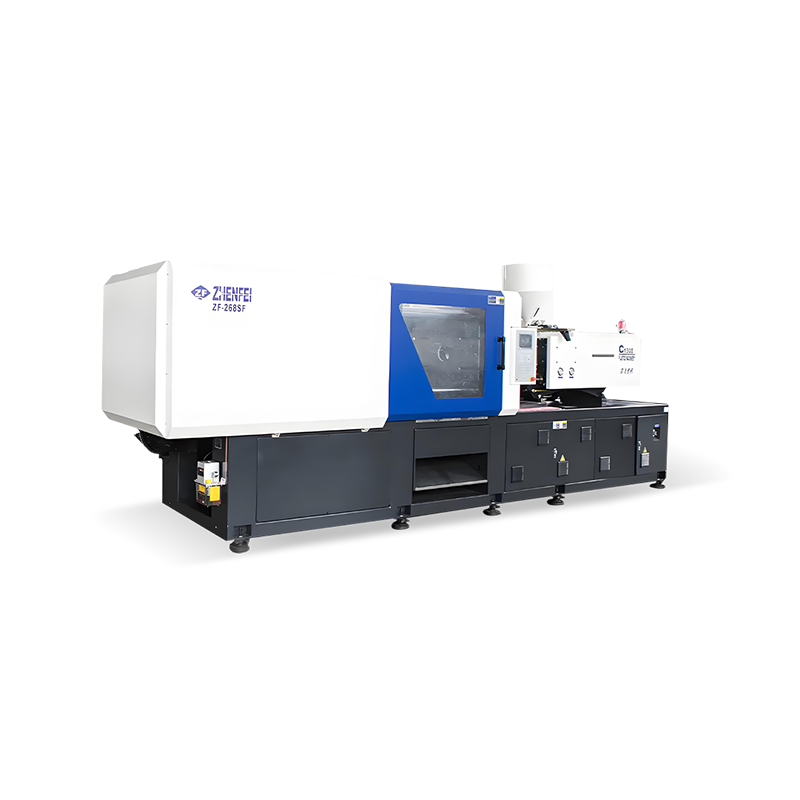
 ZF Series Servo Energy-Saving Injection Molding Machine (50T-2500T)The Zhenfei ZF Series Servo Energy-Saving Injection Molding Machine has gained a strong market reputation and share since its launch. The design and operation of the m...View Product →
Injection molding machines are not interchangeable across every application. Three parameters drive most of the decision.
Clamping force, measured in metric tons or kN, holds the mold closed while molten plastic is injected into the cavity. If clamping force is too low, the mold flashes; if it is excessively high, the platens and mold experience unnecessary wear. For reference, injection molding machines on the market range from about 50t for small precision components to 2500t or more for automotive bumpers, crates, and pallets. The ZF series from Zhenfei covers that 50t to 2500t span, which makes it a useful baseline when mapping a machine to a part family.
| Machine Type | Clamping Force | Best Suited For | Primary Benefit |
|---|---|---|---|
| ZF Series Servo Energy-Saving | 50t - 2500t | General-purpose precision molding | Reduced energy consumption |
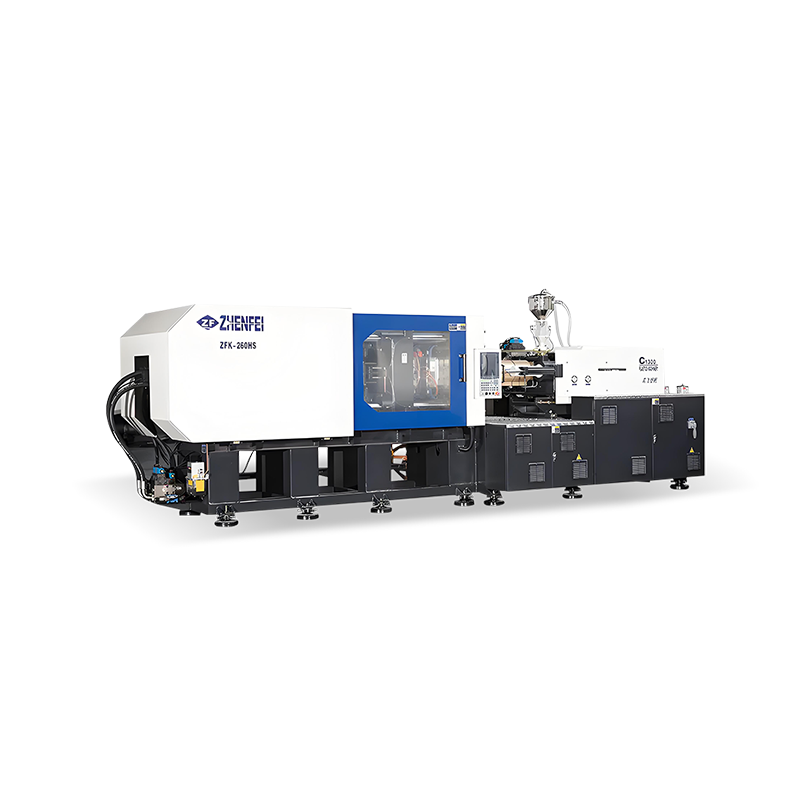
| HS Series Rapid Prototyping | 260t - 420t | Thin-walled, short-cycle parts | Accelerated production speed |
| JM Series Bakelite | 178t - 408t | Thermoset phenolic compounds | High-temperature processing stability |
Energy consumption is the second major factor. Older fixed-displacement pumps run at full output even during non-productive phases such as cooling and mold opening. Servo energy-saving systems modulate motor speed to match the actual load. The practical result is a measurable reduction in electricity use, with corresponding drops in oil temperature, noise, and the cooling load placed on the plant. Since production hours are long, the kWh differences between a conventional hydraulic machine and a servo-driven model become visible in every electricity bill.
Standard machines handle most jobs. But some products demand a different architecture. Rapid prototyping machines for thin-walled parts, such as the HS series, are built for high-speed injection and fast cycle times. Bakelite or thermoset injection molding machines, like the JM series, are designed to process phenolics and other thermosetting compounds that cure at elevated temperature and cannot be melted again. Choosing the wrong machine family for the material produces scrap, excessive wear, and downtime.
HS Series Rapid Prototyping Machine (260T-420T)The Zhenfei HS Series Rapid Prototyping Machine is widely used in various industries, including food packaging, beverage packaging, and healthcare. We customize the ma...View Product →The main press receives most of the attention, but the auxiliary machines around it govern whether the press can run at its rated speed. The three groups below are the ones buyers most frequently underestimate.
Bag-to-bin material transfer is the simplest step to automate. A vacuum autoloader uses negative pressure to pull pellets into the press hopper, eliminating manual dumping and reducing dust in the workshop. The same system can feed multiple machines, and it becomes a maintenance point for single-machine installations.
Drying is the next consideration. Many engineering plastics such as ABS, PC, PA, and PET absorb water from the atmosphere. Even small amounts of moisture can cause surface defects or a loss of mechanical strength. A hopper dryer must match the press throughput, the material's drying temperature, and the residence time. An undersized dryer forces operators to slow the machine; an oversized model wastes energy and can overheat the resin.
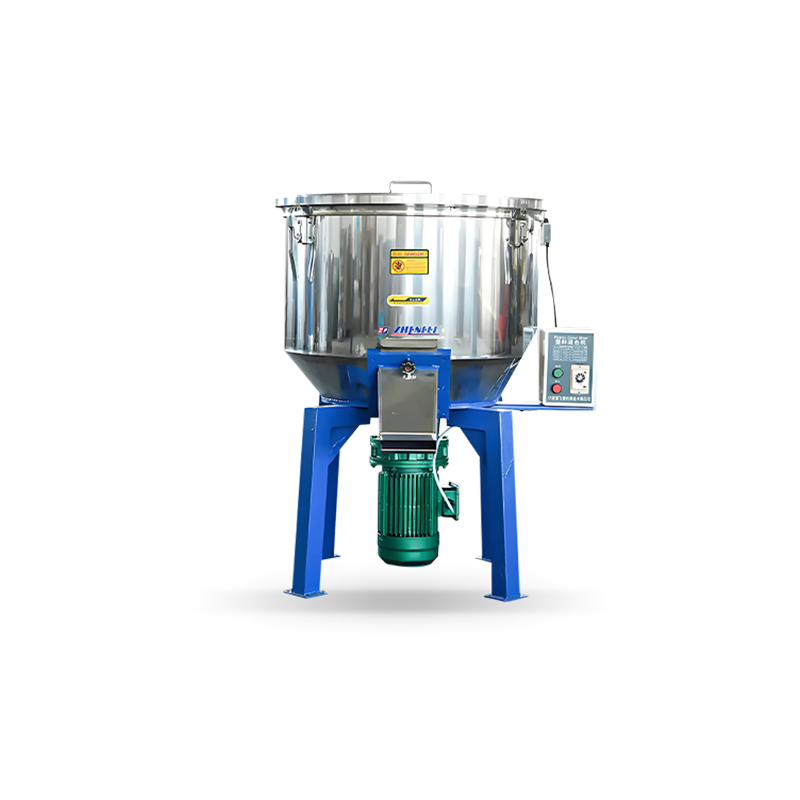
Color mixing is used when a product requires a specific shade. VKG color mixing machines blend the natural resin with masterbatch or pigment before it enters the feed throat, giving better color consistency than mixing inside the barrel.
SDF Hopper Plastic Dryer(a) Uniform hot air distribution: high thermal efficiency, greatly reducing drying time (b) Accurate temperature control: use high-precision quantity temperature regul...View Product →
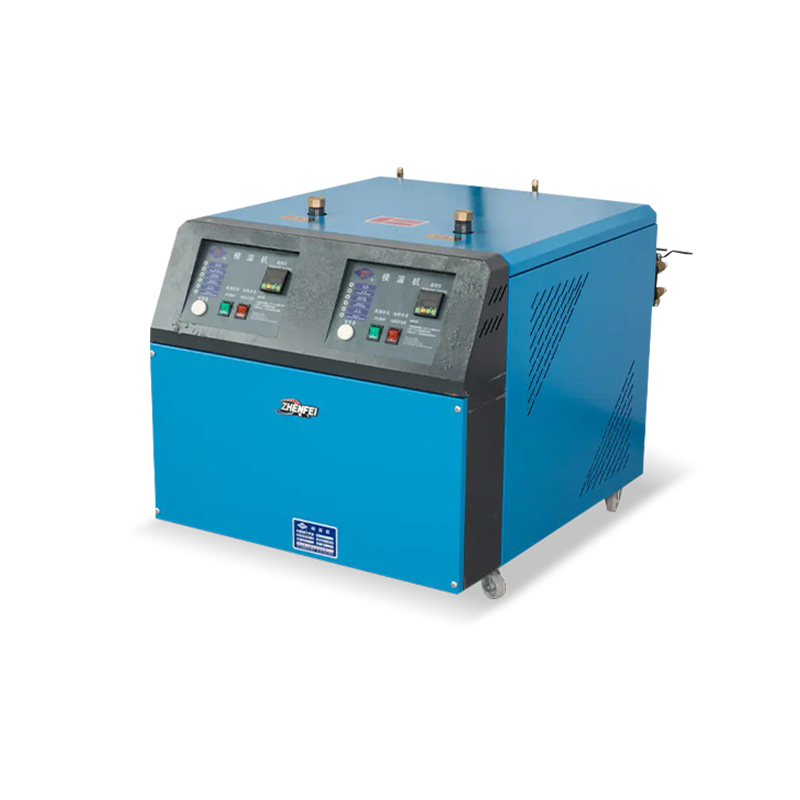
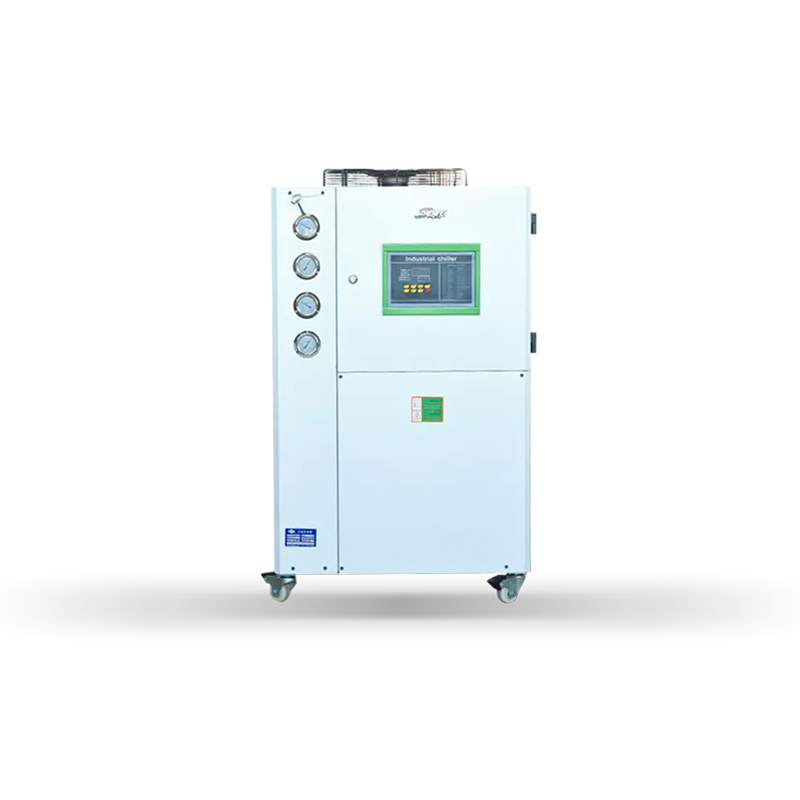
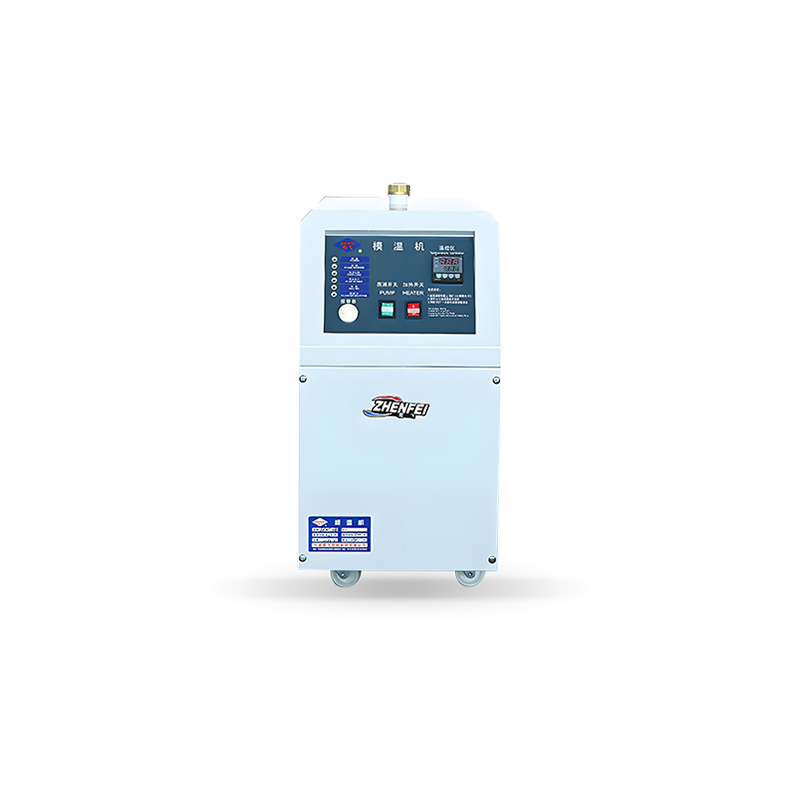
Once the material is in the mold, the cavity temperature decides cycle time, part warpage, and surface finish. A mold temperature controller circulates heated water or oil around the mold to hold a steady setpoint. For processes that need tighter zones, thermal controllers add precision heating and monitoring. On the other side of the process, an industrial chiller removes heat from the mold and the hydraulic oil. Chiller capacity should be sized by the cooling load of the press and the number of molds in simultaneous operation, not by press tonnage alone.
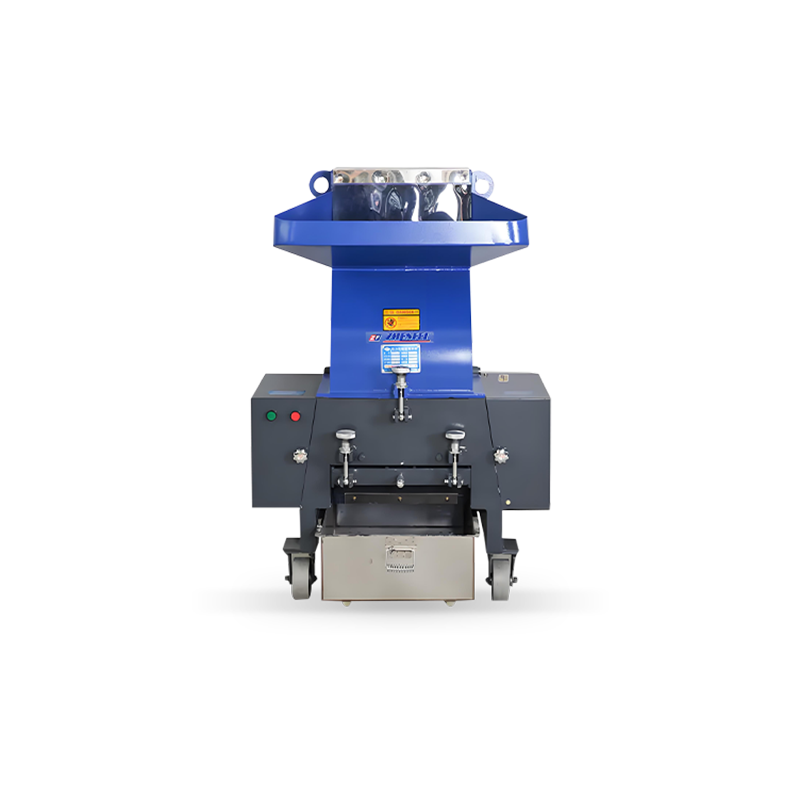
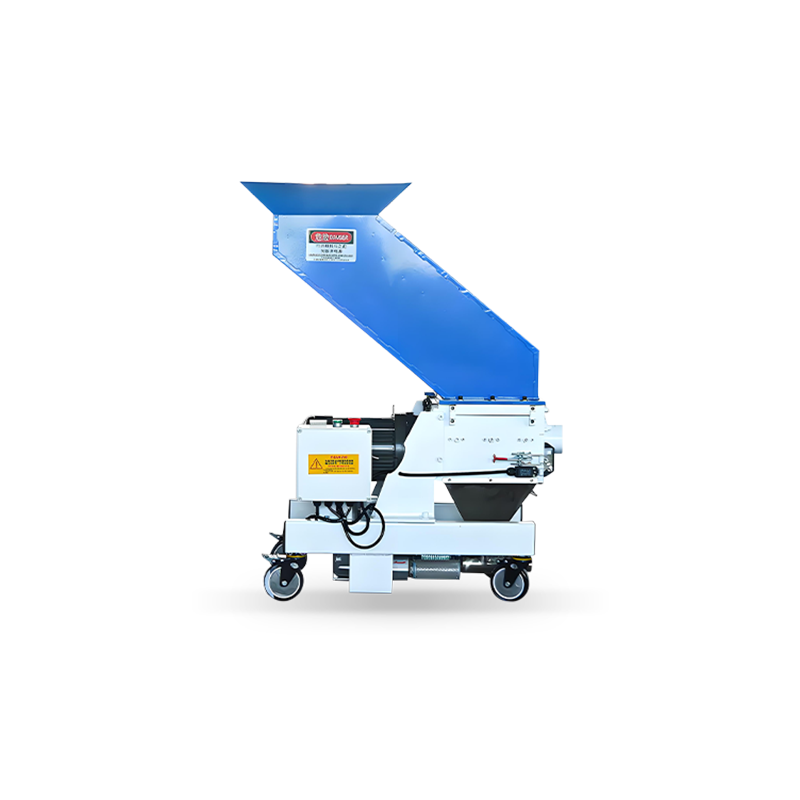
Plastic plants generate sprues, runners, and defective parts continuously. A strong crusher reduces those scraps to regrind, and a pulverizing automatic recycling machine can return the regrind into the feeding system. This closes the loop, lowers material expenses, and supports sustainability targets. For more detail on this step, read about why auxiliary machines are critical.
After the machine types are defined, the next question is supplier quality. The factors below separate a production-ready supplier from a catalog-only vendor.
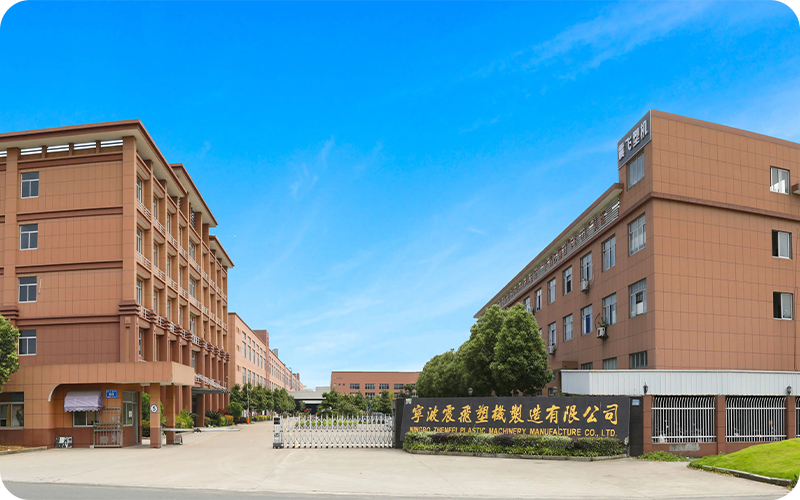
The supplier should have physical production capacity. A factory over 50,000 square meters with systematic lean management can demonstrate assembly and test capability. 6S practices are a useful indication that the workflow is controlled and the workspace is audited.
ISO 9001 is the baseline standard for quality management. For the European market, CE and UE certifications become a practical requirement, not a luxury. Verification of certification documents should happen before purchase, not after shipment.
A manufacturer that builds both the press and the auxiliary equipment offers a simpler procurement route. The buyer can compare total system performance with one supply chain instead of coordinating several vendors. It also makes troubleshooting easier, because there is one responsible party. When reviewing proposals, ask the supplier to walk through a real production scenario with material, part weight, cycle time, mold cooling load, and expected scrap rate. If the quotation cannot be matched to those numbers, it is incomplete. A broader parameter-driven selection guide can help procurement teams during review.
Plastic machinery is a broad category, but the decision logic narrows down quickly. Start with the part family to define clamping force and machine type. Add the energy system and application-specific configuration. Then map the auxiliary equipment to the material and thermal requirements. Finally, verify the supplier's production capability and certifications. A factory that provides the complete chain from material handling to waste recovery, with documented quality control, gives the least exposure to untested assumptions. When the whole line is designed as one system, the press can actually run at the speed and precision it was built for.
Recommended Products

 Custom Zhenfei Electric Injection Molding Machine Manufacturers
Copyright © Ningbo Zhenfei Injection Molding Machine Manufacturing Co., Ltd. Rights Reserved.
Custom Zhenfei Electric Injection Molding Machine Manufacturers
Copyright © Ningbo Zhenfei Injection Molding Machine Manufacturing Co., Ltd. Rights Reserved.



 中文简体
中文简体 English
 Español
 中文简体
中文简体