Date:Dec 29, 2025
Content
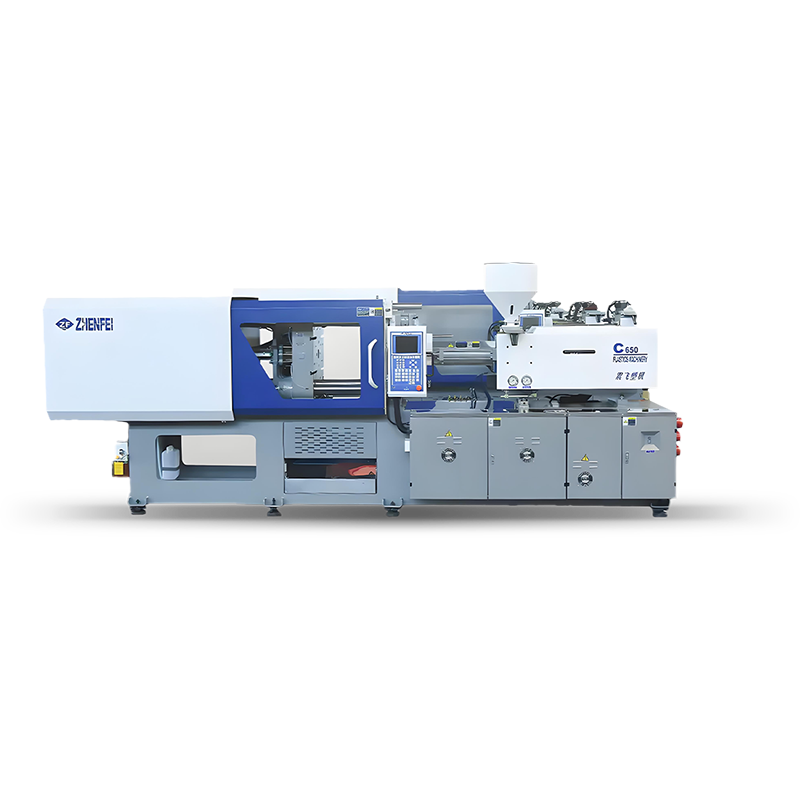
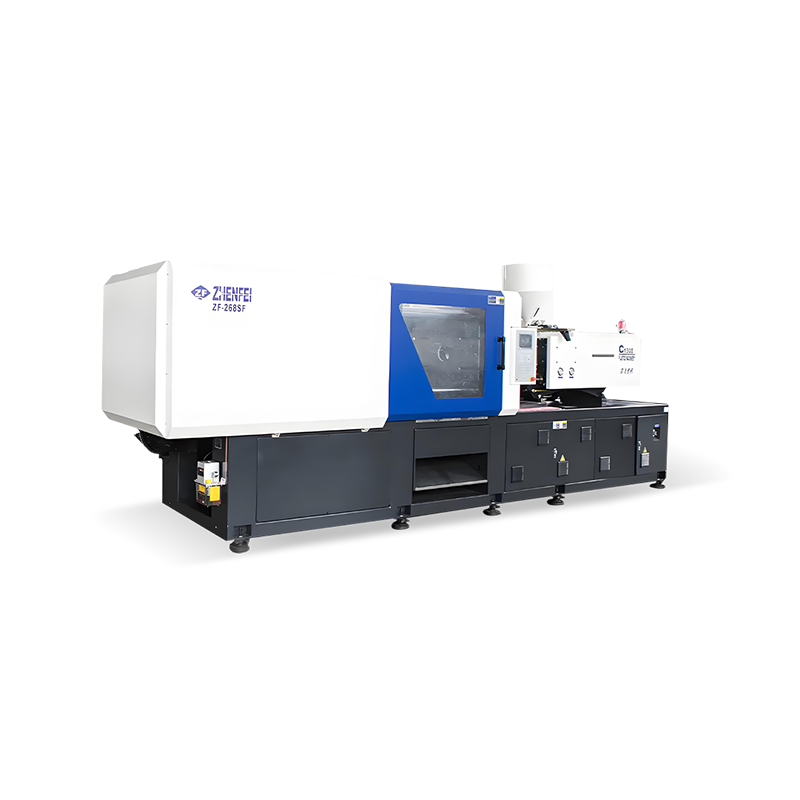
Injection molding machines (IMMs) are an essential part of modern manufacturing, offering several environmental benefits. These machines contribute significantly to sustainable manufacturing by improving material efficiency, reducing waste, cutting energy consumption, and enabling the use of eco-friendly materials.
One of the most significant environmental advantages of injection molding is its ability to reduce material waste. The process is highly efficient in terms of material usage, as it involves precisely injecting molten plastic into a mold to form a desired product. This precision ensures that the amount of material used is carefully controlled, minimizing excess and reducing scrap.
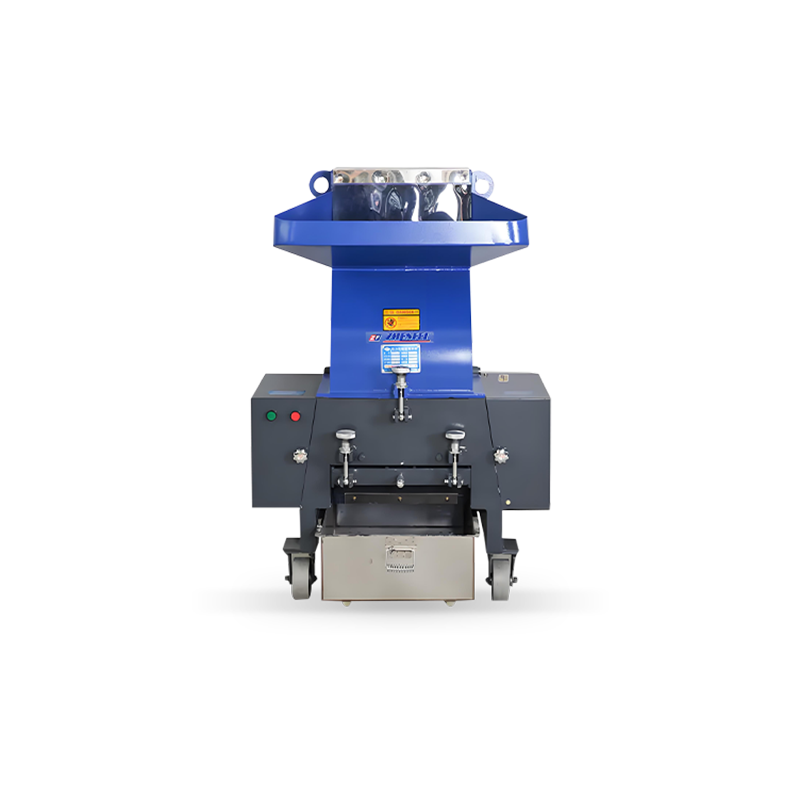
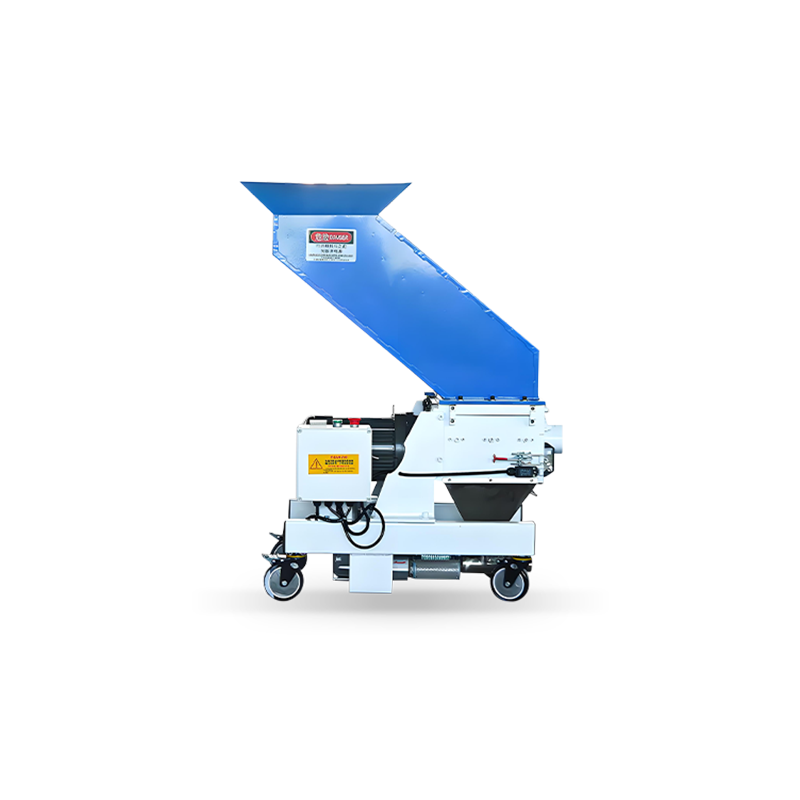
In traditional manufacturing methods, excess material is often generated as waste, either from material trimming or the overuse of raw material. However, in injection molding, excess plastic from the process, such as runners and sprues (the channels through which plastic flows), can be collected, cleaned, and recycled back into the process. Many modern injection molding machines are also equipped with automatic regrinding systems, where leftover plastic is ground into small pellets for reuse in new production cycles. This recycling reduces the need for virgin materials, which helps conserve natural resources and reduce the environmental impact of plastic production.
Moreover, injection molding’s ability to produce highly consistent parts also reduces the likelihood of defective products, further contributing to waste reduction. With fewer defects and rejections, the overall material consumption is minimized, which aligns with sustainability goals.
Energy consumption is one of the key concerns in manufacturing processes. Fortunately, injection molding has made significant strides in energy efficiency over the years. Modern injection molding machines are designed to minimize energy usage while maintaining high productivity. They are equipped with energy-saving features such as variable-speed drives and advanced motor control systems that adjust energy consumption based on the load requirements of the machine.
For example, injection molding machines with hydraulic and electric drives often use a closed-loop system that recycles energy. In this system, energy produced during the cooling or molding phase can be captured and reused, reducing the overall energy demand. Additionally, new hybrid machines, which combine both electric and hydraulic systems, offer even better energy efficiency by using electrical power where appropriate and hydraulic power when needed for high force applications.
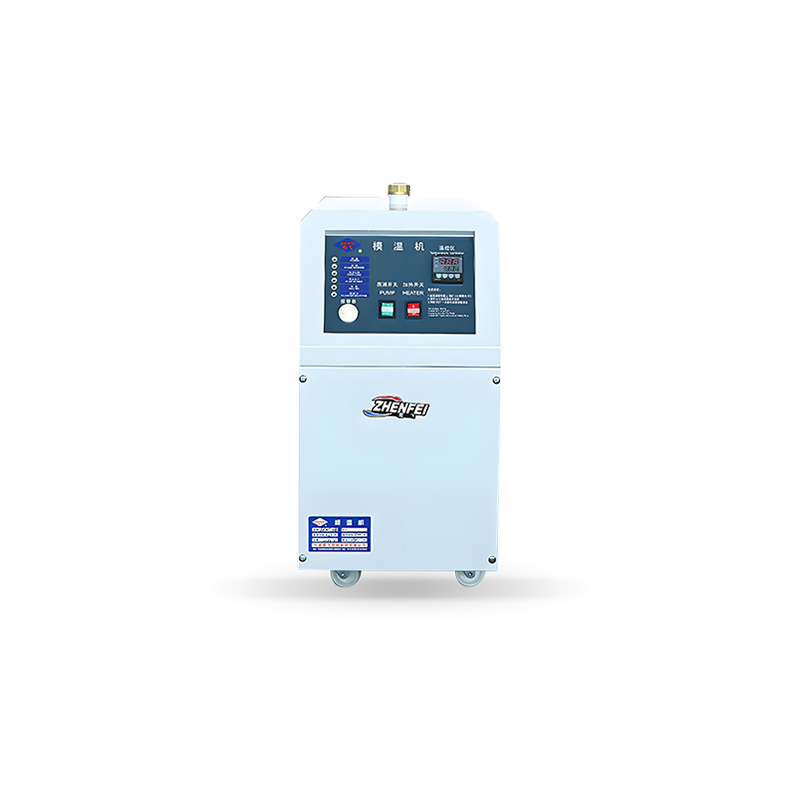
Another innovation contributing to energy efficiency is the use of advanced mold temperature controllers, which ensure that molds are heated and cooled precisely as needed. This minimizes the energy required for maintaining optimal temperatures, which is critical to both the quality of the finished product and energy savings. The combination of these technologies results in lower overall energy consumption, reducing the carbon footprint of the injection molding process.
Reducing industrial emissions and pollution is a top priority for companies looking to adopt more sustainable practices. Injection molding machines contribute to this effort by cutting both air and water pollution. The efficiency of the injection molding process—specifically in terms of energy and material use—directly translates to lower emissions. The less energy used, the fewer greenhouse gases are released into the atmosphere. As injection molding machines continue to evolve, many of them now use cleaner, more efficient technologies that reduce emissions compared to older, less efficient models.
Furthermore, by incorporating eco-friendly materials into the molding process, manufacturers can reduce the environmental impact of their operations. Biodegradable plastics such as PLA (polylactic acid) or other plant-based materials can be processed with injection molding machines. These materials break down more easily in the environment than traditional petroleum-based plastics, significantly reducing long-term pollution risks.
Another way injection molding reduces pollution is through waste management. As previously mentioned, leftover material from the injection molding process can be recycled, and many machines are designed to use recycled plastic materials directly in the production process. This reduces the demand for new raw materials and prevents additional waste from going into landfills.
| Feature | Energy Efficiency Benefits | Emission Reduction Benefits |
|---|---|---|
| Material Recycling | Reduces need for new raw materials | Lowers overall plastic production emissions |
| Advanced Control Systems | Reduces energy use with precise controls | Less waste, leading to lower pollution levels |
| Use of Sustainable Materials | Supports renewable and recycled plastic | Reduces harmful environmental impacts from conventional plastics |
Injection molding machines are highly versatile and can work with a wide variety of materials, including both traditional and eco-friendly options. The ability to use recycled plastics and bio-based materials, such as PLA or PHA (polyhydroxyalkanoates), makes injection molding a more sustainable manufacturing method.
Recycled plastics, which come from post-consumer products or post-industrial waste, are processed into pellets that can be injected into molds just like virgin plastic. By using recycled plastic in injection molding, manufacturers can reduce the demand for new raw materials and help reduce plastic waste in landfills. Many leading injection molding companies have adopted this practice as part of their sustainability initiatives, using recycled materials for everything from consumer goods to automotive parts.
Furthermore, the growing demand for bioplastics is being met with advances in injection molding. PLA, a biodegradable plastic derived from renewable plant sources like corn starch or sugarcane, is commonly used in industries such as packaging and consumer goods. These materials are designed to break down more easily in the environment, reducing the long-term ecological impact of plastic products.
Manufacturers can also create new designs using thinner walls and more intricate shapes, reducing the amount of plastic required without sacrificing quality. These innovations not only reduce material consumption but also lead to lighter, more efficient products.
The precision of injection molding is one of its greatest strengths. By producing parts with tight tolerances and minimal defects, injection molding helps to minimize material waste. The accuracy of the process ensures that each part meets high-quality standards and requires fewer corrections or rework, which in turn reduces the consumption of additional materials and energy.
Moreover, products manufactured through injection molding tend to have longer lifespans because of their durability and resistance to wear. A longer product life means less frequent replacement and a reduction in overall material consumption. This contributes to a more sustainable manufacturing ecosystem where products are built to last, reducing the need for mass production of short-lived items.
The high efficiency of injection molding also allows for more complex designs that can use less material while still providing strength and functionality. The ability to design lightweight but durable parts helps minimize the overall material footprint.
With the help of advanced computer-aided design (CAD) software and simulation tools, manufacturers can optimize their injection molding processes for sustainability. These technologies enable designers to create products that are both functional and environmentally friendly, ensuring that the final product uses the least amount of material necessary while maintaining the required performance characteristics.
For example, lightweight designs can reduce the amount of plastic needed, while maintaining product strength and durability. Additionally, parts can be designed to fit more efficiently in molds, further reducing material waste. Mold designers can also integrate features such as easier disassembly and recyclability into the design, which makes it easier to recycle or reuse products at the end of their life cycle.
Sustainable design practices go hand in hand with injection molding to create a closed-loop system, where products are continually reused, recycled, or repurposed, contributing to the circular economy model.
The integration of automation in injection molding machines enhances sustainability by improving the efficiency of the production process. Automated systems reduce the likelihood of human error, minimize machine downtime, and increase throughput. These factors help to reduce waste, save energy, and decrease production costs. Additionally, automation reduces labor costs, leading to a more efficient use of resources.
Lean manufacturing principles, which focus on reducing waste and increasing efficiency, are often applied alongside injection molding. By streamlining processes and eliminating unnecessary steps, manufacturers can reduce the time, energy, and materials required to produce each part. This not only saves money but also reduces the environmental impact of production.
While the initial investment in injection molding equipment may be higher than other manufacturing methods, the long-term savings are significant. The ability to produce high volumes of products quickly and with minimal waste leads to cost savings in terms of materials, energy, and labor. This makes injection molding an economically viable option for companies looking to invest in sustainable practices.
Over time, companies that adopt injection molding can see a reduction in operating costs due to fewer defects, less waste, and more efficient energy usage. These savings can be reinvested into further sustainability initiatives, creating a positive feedback loop that benefits both the environment and the business’s bottom line.
Many modern injection molding operations embrace closed-loop recycling systems, where waste materials are captured, processed, and reintroduced into the production cycle. This practice supports the circular economy by keeping materials in use for as long as possible and reducing the need for raw material extraction. Closed-loop systems reduce the environmental impact of manufacturing by ensuring that waste materials are continuously reused and not discarded.
Injection molding is particularly well-suited for closed-loop recycling because of its ability to process recycled plastics and other materials. As more companies adopt circular economy practices, injection molding will continue to play a central role in reducing the environmental impact of manufacturing.
Q1: How can injection molding machines help in reducing plastic waste?
Injection molding reduces plastic waste by optimizing material usage, recycling excess material, and allowing for the use of recycled or biodegradable plastics. The high precision of injection molding minimizes defects and product rejections, further reducing waste.
Q2: Are injection molding machines energy-efficient?
Yes, modern injection molding machines are designed to be energy-efficient, featuring technologies like variable-speed drives and closed-loop systems that capture and reuse energy. These innovations significantly reduce energy consumption and help lower the carbon footprint of manufacturing.
Q3: Can injection molding use sustainable materials?
Yes, injection molding machines can work with sustainable materials such as recycled plastics, bioplastics (like PLA), and other eco-friendly materials. These alternatives help reduce the environmental impact of manufacturing processes.
Recommended Products

 Custom Zhenfei Electric Injection Molding Machine Manufacturers
Copyright © Ningbo Zhenfei Injection Molding Machine Manufacturing Co., Ltd. Rights Reserved.
Custom Zhenfei Electric Injection Molding Machine Manufacturers
Copyright © Ningbo Zhenfei Injection Molding Machine Manufacturing Co., Ltd. Rights Reserved.



 中文简体
中文简体 English
 Español
 中文简体
中文简体