Date:Dec 15, 2025
Content
Introduction
Injection molding machines are often associated with mass production due to their high efficiency and ability to manufacture thousands of identical components quickly. However, recent technological advancements have made them increasingly suitable for custom and small-batch production. These machines provide precise control over temperature, pressure, and injection speed, enabling manufacturers to produce small quantities of parts with consistent quality. For industries requiring prototyping, specialized components, or limited-run products, modern injection molding machines offer a viable and cost-effective solution. By leveraging their flexibility, manufacturers can innovate and deliver tailored solutions without compromising performance.
One key advantage of using injection molding machines for small batches is the precision and repeatability of each part. Even with low-volume runs, each component meets stringent dimensional tolerances, which is particularly crucial in industries such as automotive, electronics, and medical devices. Small-batch injection molding also allows designers to test multiple variations quickly, enabling iterative improvements and faster time-to-market for new products. Additionally, compared to hand-crafted or manual fabrication methods, injection molding ensures higher consistency, fewer defects, and better material properties, making it an attractive option for both prototyping and limited-run production.
Despite its advantages, small-batch injection molding does present some challenges, mainly related to upfront costs and tooling. Traditional steel molds can be expensive and time-consuming to produce, which can make low-volume production less economical. To overcome this, manufacturers now employ alternative approaches such as soft tooling, modular molds, or 3D-printed molds. These methods significantly reduce initial investment and production lead time while maintaining acceptable part quality. By adopting these strategies, even small-batch runs can become cost-effective, allowing businesses to experiment with design variations or serve niche markets without large financial risks.
Modern injection molding machines are equipped with advanced technologies that facilitate small-batch production. Features such as precise temperature control, servo-electric drives, and automated process monitoring allow for efficient production of limited quantities. Moreover, software integration enables simulation of mold filling and optimization of cycle times, reducing trial-and-error costs. These technological advancements make small-scale production both feasible and reliable, bridging the gap between prototyping and full-scale manufacturing.
| Method | Cost Efficiency | Production Speed | Quality Consistency | Flexibility for Customization |
|---|---|---|---|---|
| Traditional Steel Molds | Low | High | Very High | Low |
| Soft Tooling (Aluminum) | Medium | Medium | High | Medium |
| 3D-Printed Molds | High | Medium | Medium | Very High |
Small-batch injection molding is ideal for a range of applications. Prototyping allows engineers and designers to evaluate new concepts quickly, test material choices, and adjust dimensions before committing to mass production. Limited-run products, such as custom automotive parts, specialized medical components, or unique consumer products, can be manufactured without incurring excessive tooling costs. Additionally, small-batch injection molding is often used for pilot runs to validate production processes, train operators, or gather user feedback before large-scale deployment. This versatility enables businesses to be agile, reduce waste, and better meet customer demands.
While small-batch injection molding is increasingly practical, companies must carefully consider cost and time factors. Initial mold creation, even with 3D-printed or soft tooling, requires careful planning and investment. Cycle times may also be slightly longer for small-batch runs compared to mass production due to frequent machine adjustments or mold changes. However, the ability to produce high-quality, consistent parts without committing to large volumes often outweighs these drawbacks. Strategic planning, combined with modern machine capabilities, can optimize both cost and efficiency for small-batch injection molding projects.
Q1: Can 3D-printed molds be used for functional parts in small-batch production?
A: Yes, 3D-printed molds are suitable for limited-run parts, especially prototypes. However, they may not withstand high-volume production due to durability limits.
Q2: What industries benefit most from small-batch injection molding?
A: Automotive, electronics, medical devices, and consumer goods industries commonly use small-batch injection molding for prototypes, pilot runs, and niche products.
Q3: How can production costs be minimized for small-batch injection molding?
A: Using soft tooling, modular molds, or 3D-printed molds can significantly reduce upfront costs. Optimizing cycle times and machine settings also helps control expenses.
Recommended Products

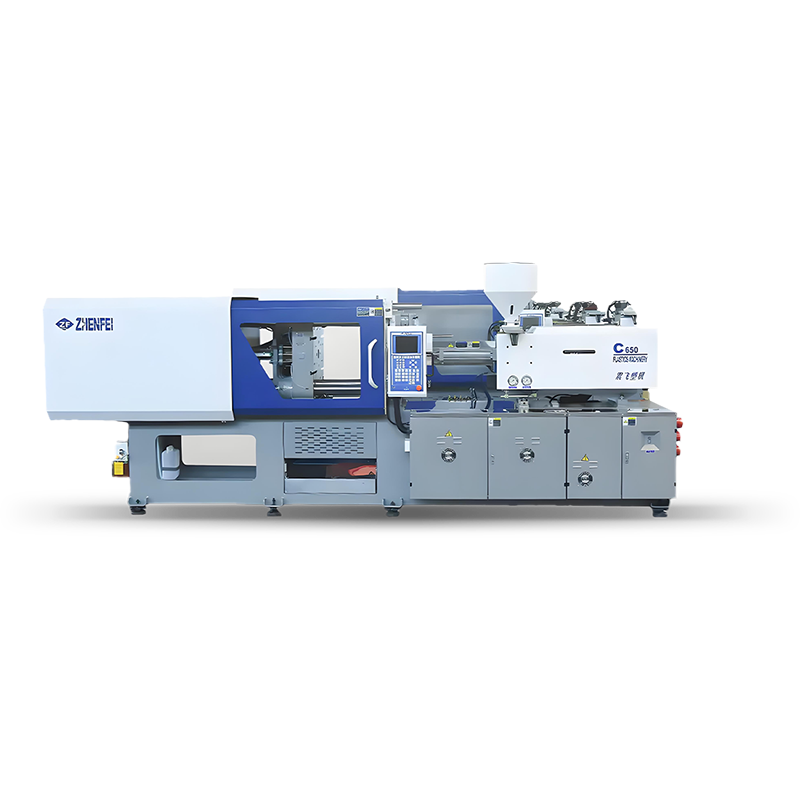
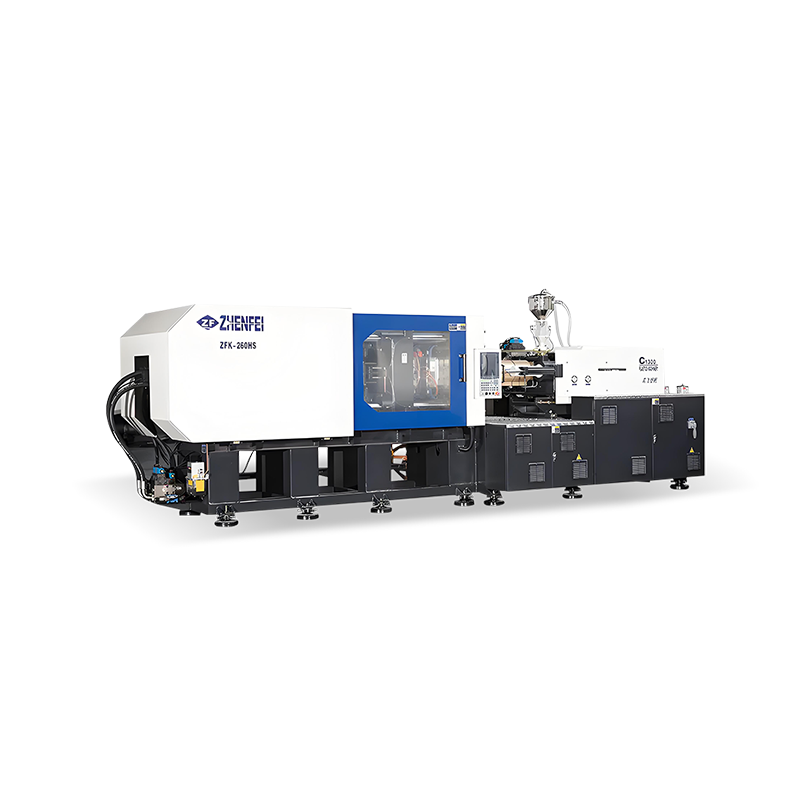
 Custom Zhenfei Electric Injection Molding Machine Manufacturers
Copyright © Ningbo Zhenfei Injection Molding Machine Manufacturing Co., Ltd. Rights Reserved.
Custom Zhenfei Electric Injection Molding Machine Manufacturers
Copyright © Ningbo Zhenfei Injection Molding Machine Manufacturing Co., Ltd. Rights Reserved.



 中文简体
中文简体 English
 Español
 中文简体
中文简体