Date:Apr 20, 2026
Content
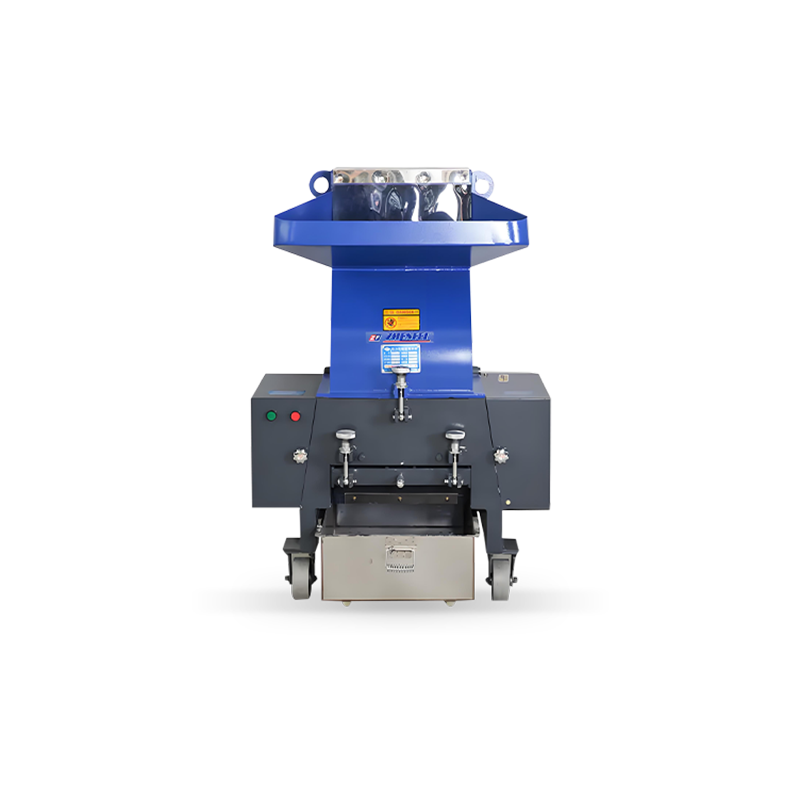
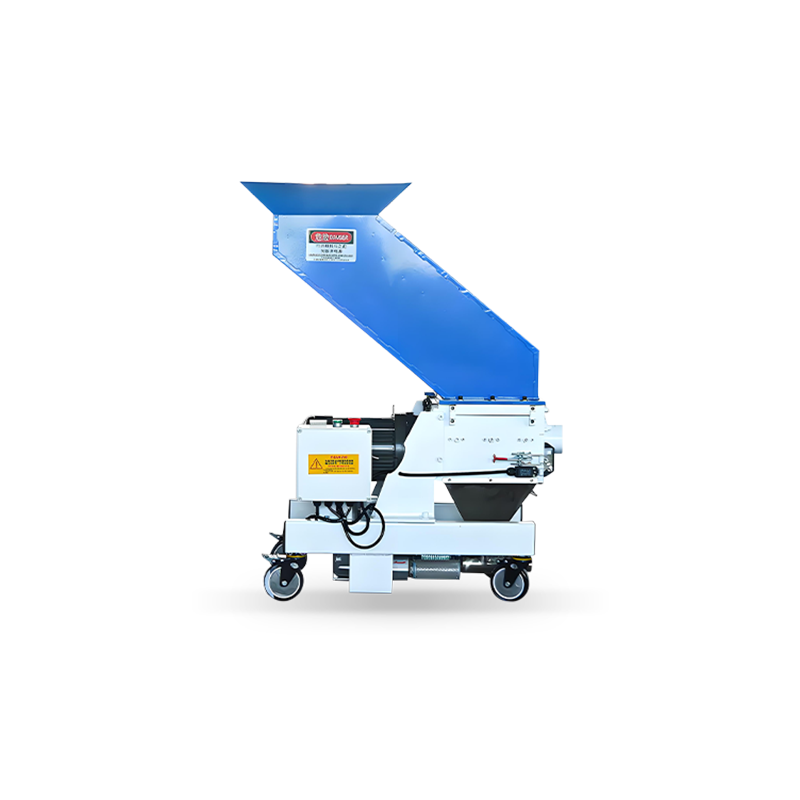
Plastic recycling systems rely heavily on the efficiency of size reduction equipment. Among the many options available in the market, the PC Series Strong Crusher has become a widely adopted solution due to its high performance, structural reliability, and adaptability to different plastic waste streams. Choosing the right crusher is not only about capacity, but also about long-term operational stability, maintenance cost, and processing quality. The PC Series Strong Crusher is engineered to meet industrial recycling demands where continuous operation and consistent output are essential.
The core advantage of the PC Series Strong Crusher lies in its ability to process a wide variety of plastic materials efficiently. This machine is designed with a high-speed rotating rotor system that generates strong impact and shear forces. These mechanical forces break down rigid and flexible plastics into uniform particles, which is essential for downstream recycling processes such as washing, drying, melting, and pelletizing.
The machine can handle multiple plastic types, including PVC pipes, PET bottles, HDPE containers, PP sheets, ABS housings, and even mixed industrial plastic waste. This versatility makes it suitable for recycling facilities that deal with fluctuating raw material streams. In real production environments, waste is rarely uniform, so a crusher that can adapt to different densities and shapes is critical.
Uniform output size improves overall recycling efficiency. When plastic particles are consistent in size, they melt more evenly during extrusion, reducing defects in recycled pellets. This directly improves product quality and reduces material loss.
In large-scale recycling plants, processing speed directly impacts profitability. The PC Series Strong Crusher ensures stable throughput, which helps maintain continuous production lines without bottlenecks.
Industrial plastic recycling environments are demanding. Equipment must withstand continuous impact, abrasion, and heat generation. The PC Series Strong Crusher is engineered with a reinforced steel structure and high-strength components to ensure long-term durability.
The machine body is typically constructed using thickened steel plates that resist deformation under heavy load. This structural reinforcement ensures stability even during continuous high-speed operation.
The rotor is made from alloy steel with high hardness, while the blades are heat-treated to improve wear resistance. Many models also feature adjustable blades, allowing operators to maintain cutting performance without frequent replacement.
External heavy-duty bearings are used to reduce heat accumulation inside the crushing chamber. This design extends service life and improves operational safety.
| Component | Design Feature | Operational Benefit |
|---|---|---|
| Rotor | Alloy steel high-speed rotor | Stable crushing force and long service life |
| Blades | Heat-treated adjustable blades | Reduced maintenance cost |
| Crushing chamber | Thickened steel structure | High impact resistance |
| Bearings | External heavy-duty system | Lower operating temperature |
Durability is not just about physical strength; it also reduces downtime. Fewer breakdowns mean higher production efficiency and lower maintenance costs over time, making the machine economically sustainable for recycling businesses.
Energy consumption is a major operational cost in recycling plants. The PC Series Strong Crusher is designed to optimize energy usage while maintaining high output performance.
The rotor geometry is engineered to reduce unnecessary resistance during operation. This means the motor does not need to overwork, resulting in lower electricity consumption.
The cutting angle between blades is carefully designed to maximize impact force while minimizing energy loss. This improves crushing efficiency per kilowatt-hour.
Lower energy consumption is only part of the benefit. The machine also reduces indirect costs such as:
Over time, these savings significantly improve return on investment, especially for high-volume recycling operations.
Modern industrial equipment must be user-friendly to reduce dependency on highly skilled technicians. The PC Series Strong Crusher is designed with simplicity and accessibility in mind.
The machine typically includes an intuitive control panel that allows operators to start, stop, and monitor performance easily. Safety interlocks are also integrated to prevent operational hazards.
Key components such as blades, screens, and rotor assemblies are designed for quick access. This reduces downtime during maintenance and cleaning operations.
Safety covers and emergency stop systems ensure operator protection during operation. Additionally, vibration reduction design helps maintain machine stability.
Routine maintenance tasks such as blade sharpening, screen replacement, and chamber cleaning can be completed quickly, reducing production interruptions.
One of the strongest advantages of the PC Series Strong Crusher is its wide industrial applicability. It is not limited to a single production environment but is used across various industries.
Whether processing rigid plastics or flexible films, the machine can be adjusted using different screen sizes and blade configurations. This flexibility allows businesses to handle multiple waste streams with one machine type.
By enabling efficient recycling of plastic waste into reusable raw material, the PC Series Strong Crusher supports sustainable manufacturing practices and reduces environmental impact.
The PC Series Strong Crusher is designed for heavier loads, higher efficiency, and longer service life compared to standard models. It uses reinforced structures and optimized rotor systems.
Yes, it is capable of handling mixed plastic materials including rigid and flexible plastics, although performance may vary depending on contamination levels.
Routine inspection should be done weekly, while blade sharpening or replacement depends on usage intensity, typically every few months.
Yes, the machine is designed for industrial continuous operation with proper cooling and maintenance schedules.
No, the control system is user-friendly and designed for easy operation, though basic training is recommended.

 Custom Zhenfei Electric Injection Molding Machine Manufacturers
Copyright © Ningbo Zhenfei Injection Molding Machine Manufacturing Co., Ltd. Rights Reserved.
Custom Zhenfei Electric Injection Molding Machine Manufacturers
Copyright © Ningbo Zhenfei Injection Molding Machine Manufacturing Co., Ltd. Rights Reserved.



 中文简体
中文简体 English
 Español
 中文简体
中文简体