Date:Jul 20, 2026
Content
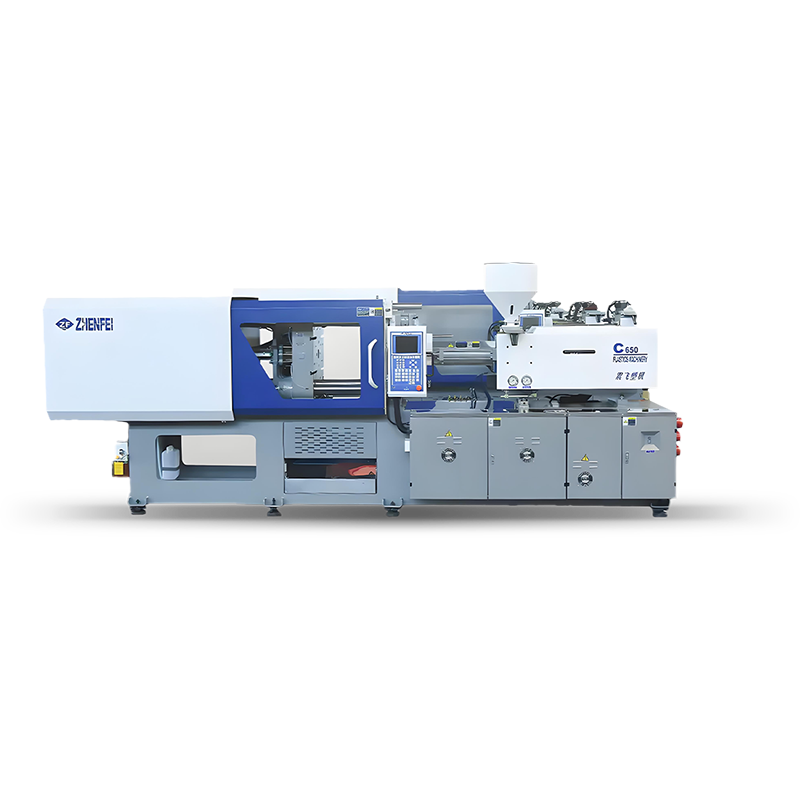
Choosing the right injection molding machine determines production quality and cost because the machine's clamping force, injection precision, and control system establish hard limits that no amount of process tuning can overcome afterward. A machine that is undersized for the part will produce flash, short shots, or inconsistent dimensions regardless of operator skill, while an oversized machine wastes energy and increases per-part cost through unnecessarily high electricity consumption — often 20% to 50% more energy than a properly sized alternative running the same job. The machine is not simply equipment that runs your process; it is a fixed constraint that shapes every quality and cost outcome downstream of it.
If you are planning a new production line or evaluating equipment for an existing part, the most effective way to control long-term quality and cost is to match machine specifications precisely to part requirements before purchase — not to compensate for a mismatched machine through process adjustments after the fact, which typically produces marginal improvements at best.
Every injection molding machine performs the same basic sequence, but the precision and consistency of each step varies significantly depending on machine type and quality.
The three main machine architectures — hydraulic, electric, and hybrid — differ significantly in precision, energy consumption, and upfront cost, making the choice between them one of the most consequential decisions in the selection process.
| Machine Type | Energy Efficiency | Precision | Typical Use Case |
|---|---|---|---|
| Hydraulic | Lower | Good | Large, heavy-duty parts |
| Electric (all-electric) | Highest | Excellent | Precision, clean-room, medical parts |
| Hybrid | Medium-high | Very good | Balanced general-purpose production |
Hydraulic machines remain common for large, high-tonnage applications due to their strong, consistent clamping force and lower upfront equipment cost. Their main drawbacks are higher energy consumption, since hydraulic pumps run continuously even during idle phases of the cycle, and slightly lower repeatability compared to electric alternatives.
All-electric machines use servo motors for every function, delivering superior repeatability, faster cycle times, and energy savings often reaching 50% to 70% compared to equivalent hydraulic machines. They are the standard choice for medical devices, precision electronics housings, and clean-room applications where dimensional consistency is critical.
Hybrid machines combine hydraulic clamping with electric injection control, offering a middle ground that captures much of the energy savings and precision of electric machines while keeping capital cost closer to hydraulic equipment.
Selecting the correctly sized machine requires evaluating several core specifications against the specific requirements of the part being produced.
Specific quality defects can almost always be traced back to a mismatch between machine capability and part requirements, rather than purely to process settings.
| Defect | Machine-Related Cause |
|---|---|
| Flash | Insufficient clamping force for the part's projected area |
| Short shots | Inadequate shot size or injection pressure capacity |
| Inconsistent dimensions | Poor repeatability from worn hydraulic components |
| Burn marks | Injection speed too high for machine's venting capability |
Machine choice affects total production cost through several channels beyond the initial purchase price, and evaluating only upfront cost frequently leads to a more expensive outcome over the equipment's service life.
Working through machine selection systematically reduces the risk of costly mismatches after purchase.
Even a correctly selected machine will underperform without proper maintenance. Regular hydraulic fluid analysis and filter changes prevent contamination that leads to inconsistent pressure control and premature valve wear, while scheduled inspection of barrel and screw wear helps identify when melt quality is beginning to degrade before it affects part consistency. Calibrating temperature sensors and pressure transducers on a routine schedule ensures the machine's control system continues delivering the repeatability it was designed for, and tracking cycle-by-cycle process data through the machine's control system allows early detection of drift that could otherwise go unnoticed until it produces a batch of defective parts.

 Custom Zhenfei Electric Injection Molding Machine Manufacturers
Copyright © Ningbo Zhenfei Injection Molding Machine Manufacturing Co., Ltd. Rights Reserved.
Custom Zhenfei Electric Injection Molding Machine Manufacturers
Copyright © Ningbo Zhenfei Injection Molding Machine Manufacturing Co., Ltd. Rights Reserved.



 中文简体
中文简体 English
 Español
 中文简体
中文简体