Date:Jan 05, 2026
Content
A temperature controller is an electronic device designed to regulate the temperature of a system or process by controlling heating, cooling, or both. These controllers are essential in environments where precise temperature control is necessary for operational efficiency, safety, and product quality. Temperature controllers receive input from temperature sensors, compare this input with a predefined setpoint temperature, and then output a control signal to heating or cooling devices to adjust the temperature accordingly.
Temperature controllers are crucial in many industries, including manufacturing, food processing, chemical production, HVAC systems, and laboratory environments. They not only ensure that the system maintains the desired temperature but also help to reduce energy consumption by making the temperature control process more efficient. The flexibility of modern temperature controllers allows them to be used in a wide variety of applications, from simple home heating systems to complex industrial processes where temperature precision is critical.
Temperature controllers operate in a closed-loop feedback system, which continuously monitors and adjusts the temperature. The fundamental function of a temperature controller involves sensing the temperature, comparing it with the setpoint, and then actuating the appropriate response to bring the temperature to the desired level. Let’s break this down into its core components:
Temperature Sensing:
The process starts with a temperature sensor, which measures the actual temperature of the system. These sensors can be of various types, such as thermocouples, RTDs (Resistance Temperature Detectors), or thermistors. Each of these sensors has its advantages, with thermocouples being common for high-temperature applications, and RTDs being highly accurate in lower-temperature ranges. The sensor sends a real-time temperature signal to the controller.
Comparison with Setpoint:
The temperature controller is set to maintain a specific target temperature, known as the setpoint. The setpoint could be manually configured by the operator, or it could be part of an automated process that adjusts the setpoint depending on external conditions. The controller continuously compares the input signal from the temperature sensor with this setpoint.
Control Actions:
If the actual temperature deviates from the setpoint, the controller will take action to adjust the system. There are various methods for this, such as On/Off Control and PID Control (Proportional-Integral-Derivative control). On/Off control is more basic, where the heating or cooling system is turned on or off depending on whether the temperature is above or below the setpoint. However, for more precise control, PID Control is preferred in many industrial applications.
Temperature controllers are widely used across various industries to ensure that processes run at optimal temperatures. Here are some key applications:
Manufacturing and Production:
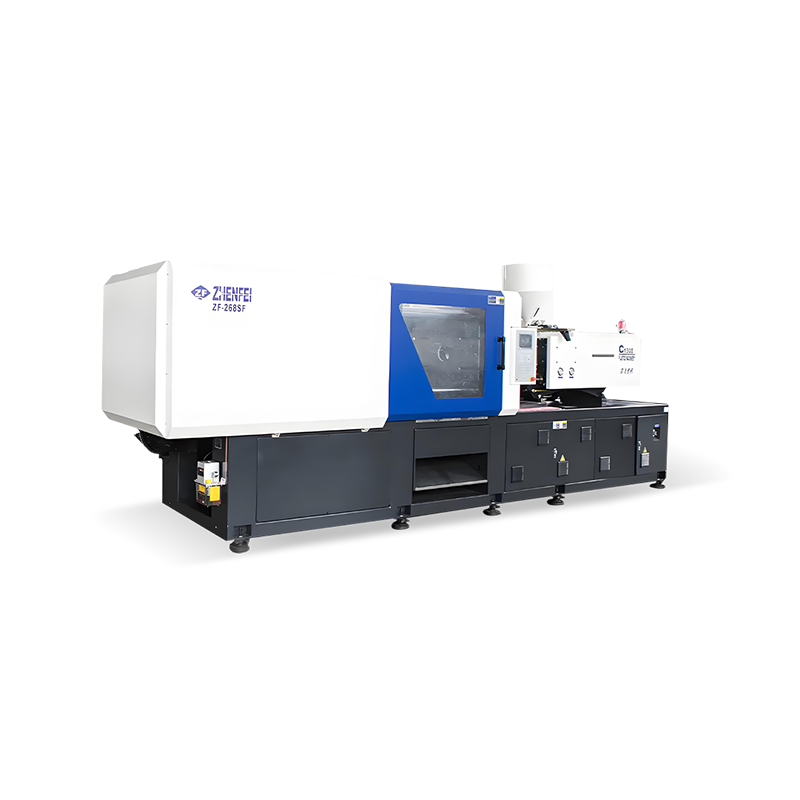
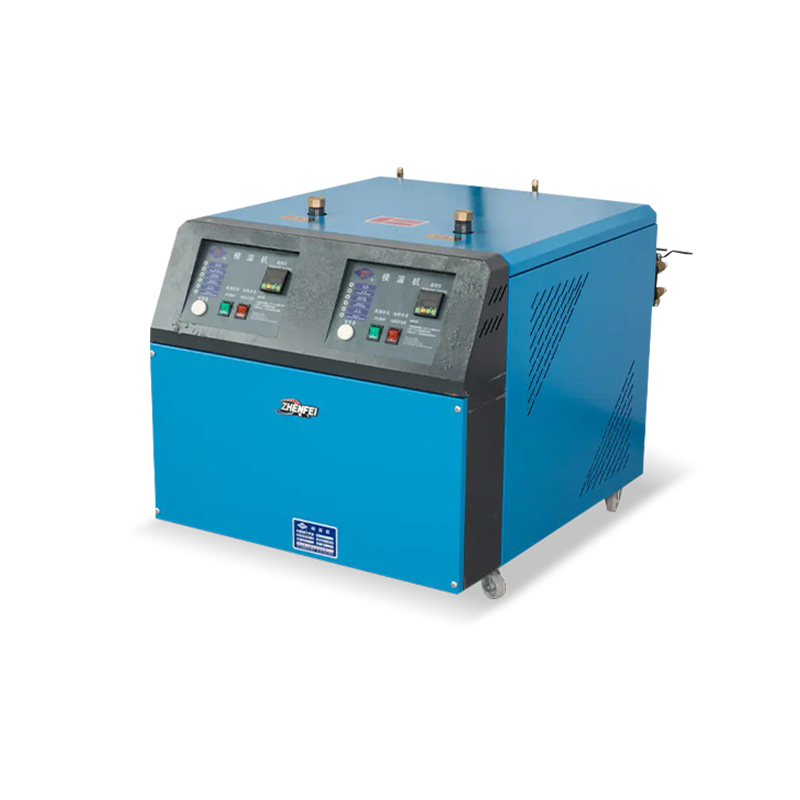
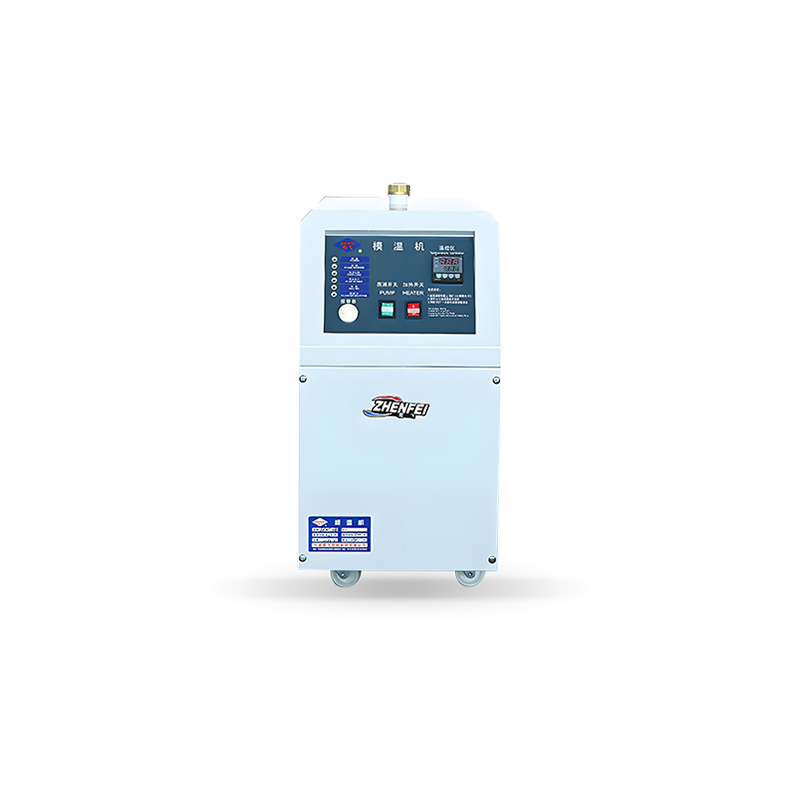
In industries like plastics and metalworking, maintaining a consistent temperature is vital for the production of high-quality products. For example, in injection molding, temperature controllers regulate the temperature of the mold to ensure that plastic parts cool and solidify at a precise rate, preventing defects like warping or incomplete curing.
Food Processing:
In the food and beverage industry, temperature control is crucial for safety and quality. Pasteurization, for example, involves heating food to a specific temperature for a set period to kill harmful bacteria. Temperature controllers ensure that the food reaches and stays at the correct temperature during processing, preserving flavor, texture, and nutritional content while preventing spoilage.
Chemical Processing:
In chemical manufacturing, temperature plays a significant role in controlling the reaction rates of various processes. Exothermic and endothermic reactions require precise temperature management to maintain safety and efficiency. Temperature controllers monitor reactors to ensure that temperatures stay within safe operating ranges, preventing dangerous temperature spikes or drops that could compromise the reaction or even lead to hazardous conditions.
HVAC Systems:
Temperature controllers are also commonly used in HVAC (Heating, Ventilation, and Air Conditioning) systems for both residential and commercial applications. These controllers regulate the temperature in large buildings, factories, or even entire industrial plants, ensuring that the environment remains comfortable and energy-efficient.
Semiconductor Manufacturing:
Semiconductor production involves strict temperature requirements. Even small temperature variations can lead to defects in microchips. Temperature controllers in cleanrooms, furnaces, and ovens help maintain the precise temperature needed to process silicon wafers, thus ensuring the integrity and quality of the final product.
Accuracy:
Modern temperature controllers provide highly accurate temperature readings and adjustments. This is especially critical in industries like electronics, pharmaceuticals, and food processing, where small fluctuations in temperature can lead to significant quality issues.
Energy Efficiency:
Temperature controllers help to minimize energy waste by ensuring that heating and cooling systems operate only when necessary. For example, by optimizing the use of cooling systems in industrial processes, temperature controllers can reduce electricity consumption, leading to cost savings and environmental benefits.
Safety:
In industries where overheating can cause dangerous situations—such as in chemical plants or power plants—temperature controllers provide an essential safety function by automatically shutting down or adjusting equipment to prevent accidents.
Quality Control:
Consistent temperature control improves product quality by ensuring that the process conditions remain within desired parameters. This is particularly critical in high-precision industries, such as electronics, where even minor deviations can compromise the final product.
Cost Savings:
By reducing energy consumption, preventing waste, and improving process efficiency, temperature controllers contribute to cost savings for businesses. They also help reduce downtime caused by equipment failure due to temperature-related issues.
1. What types of temperature controllers are available?
There are various types of temperature controllers, including On/Off Controllers, PID Controllers, and programmable controllers. PID controllers are commonly used in industrial applications requiring precise temperature regulation.
2. Can a temperature controller be used in any type of system?
While temperature controllers can be applied to many systems, the specific type of controller you need will depend on the requirements of your process, such as the desired level of precision, response time, and complexity of the system.
3. How do temperature controllers save energy?
Temperature controllers save energy by optimizing the heating and cooling processes. They prevent systems from running continuously and only activate heating or cooling devices when needed, which reduces energy consumption.
4. How do I choose the right temperature controller for my application?
The right temperature controller depends on factors like temperature range, precision requirements, the type of process, and whether you need additional features such as alarms, data logging, or network connectivity.

 Custom Zhenfei Electric Injection Molding Machine Manufacturers
Copyright © Ningbo Zhenfei Injection Molding Machine Manufacturing Co., Ltd. Rights Reserved.
Custom Zhenfei Electric Injection Molding Machine Manufacturers
Copyright © Ningbo Zhenfei Injection Molding Machine Manufacturing Co., Ltd. Rights Reserved.



 中文简体
中文简体 English
 Español
 中文简体
中文简体