Date:Sep 07, 2026
Content
When you are molding a precision gear housing with a required tolerance of ±0.02 mm, the machine is the first place you look when parts start to drift. Variations in clamping force, injection pressure, or melt temperature can show up as flash, short shots, or subtle dimensional changes from batch to batch. A high precision injection molding machine addresses these variables head-on by combining a rigid clamping unit, responsive servo drives, and closed-loop process control. The result is not just tighter tolerances; it is a production system that behaves predictably hour after hour.
Precision is measured in repeatability, not in single-shot accuracy. A machine can demonstrate a perfect shot under lab conditions, but the real test is whether it can maintain that performance across thousands of cycles at different temperatures and line voltages. The key metrics to look at are shot weight repeatability, clamping force stability, and the responsiveness of the injection unit.
| Property | Standard Machine | High Precision Machine |
|---|---|---|
| Shot weight repeatability | ±0.5% to ±1% | ±0.1% or better |
| Clamping force stability | Open-loop or delayed hydraulic response | Closed-loop real-time control |
| Injection speed response | Overshoot and settling delay | Digital feedback with high-frequency correction |
| Melt temperature control | ±5°C typical | ±2°C or tighter |
These numbers matter because they determine how much product variation you can accept in daily production. A machine with 0.1% shot weight repeatability will produce far fewer short shots and flashing defects than a machine with 0.5% repeatability, especially when you are molding materials with narrow processing windows.
The practical value of a high precision injection molding machine shows up in three areas: part consistency, mold protection, and total cost per part.
This is why process engineers often say precision is not a luxury for commodity parts; it is a necessity for any application where dimensional stability affects safety or interchangeability.
Several subsystems work together to determine final part quality.
A rigid, well-guided clamping unit keeps the mold parting line stable under high pressure. Any flex in the platen or tie bars will be transferred to the part.
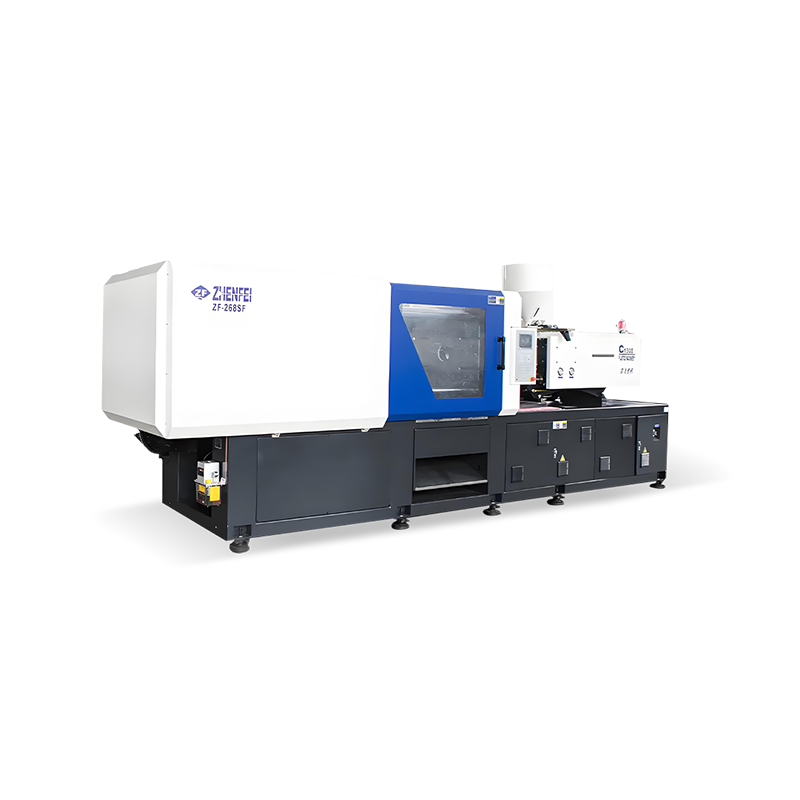
Unlike a fixed-speed motor, a servo pump adjusts energy to the exact demand of each phase, which stabilizes pressure and flow during injection and holding. Many precision-focused buyers now start with servo energy-saving injection molding technology for this reason.
The controller must be able to close the loop on pressure and position many times per second. High precision machines use digital sensors that feed back to the valve in real time, rather than relying on preset values from a slower PLC.
Melt temperature and mold temperature drift are invisible enemies of precision. Even a perfectly tuned injection profile cannot compensate for a mold that heats up unevenly during a shift.
Do not buy a machine solely on clamping tonnage. The precision capability lives in the interaction between the mechanical frame, the hydraulics, the control system, and the auxiliary equipment around it.
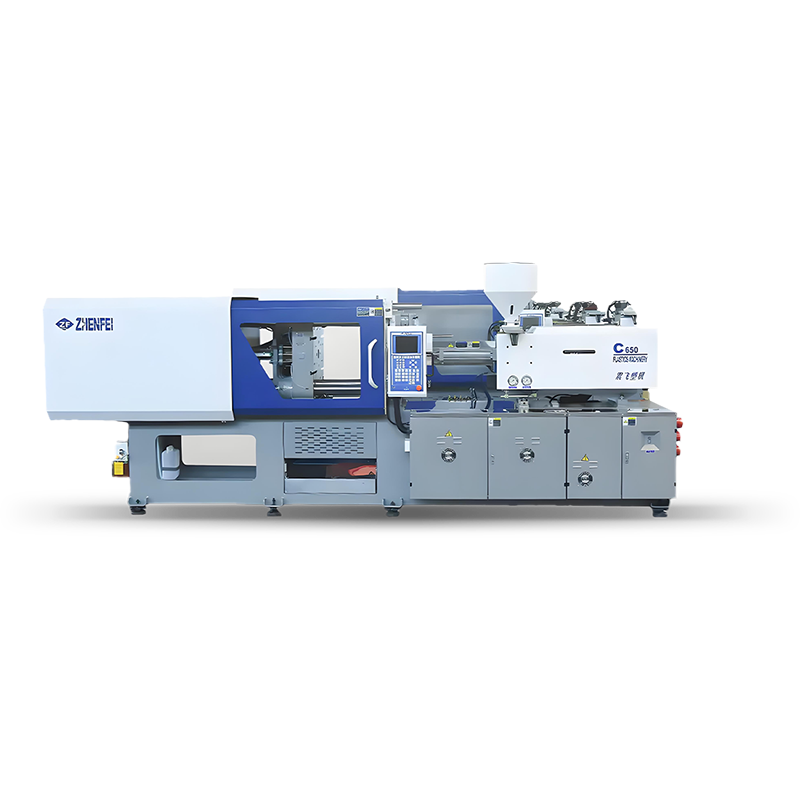
For buyers who need a broad tonnage range with servo-driven precision, the ZF series servo energy-saving injection molding machine is worth evaluating for precision work. Its 50 to 2,500 ton range covers small medical parts and large automotive panels, and the servo drive system is integral to the platform rather than an add-on.
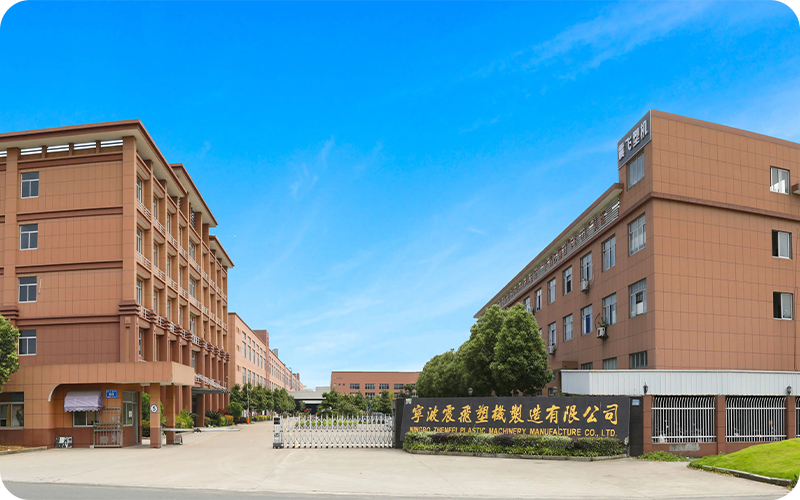 Servo Energy-Saving Injection Molding Machine Manufacturers, FactoryAs China servo energy-saving injection molding machine manufacturers and factory, Ningbo Zhenfei wholesale ZF series servo energy-saving ...View Product →
High precision means different things in different applications. A thin-wall packaging cup demands rapid injection and fast cycling, while an automotive connector demands tight dimensional consistency over a long run.
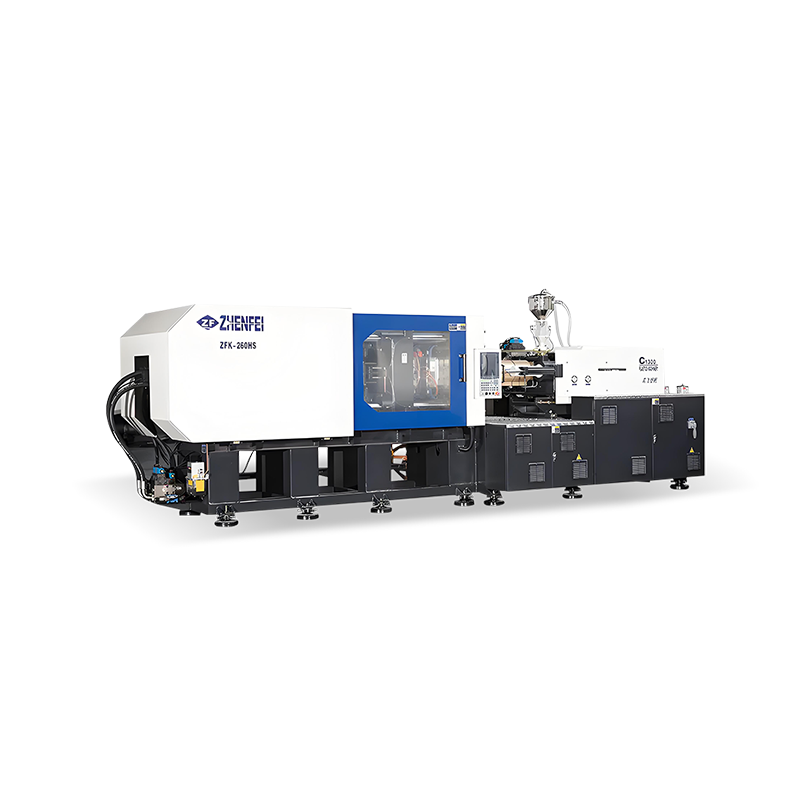
Speed and precision are not opposites when the machine is designed for fusion. The HS series rapid prototyping injection molding machine combines 260 to 420 tons of clamping force with a responsive injection unit, allowing shorter cycle times without sacrificing shot repeatability.
260T-420T HS Series Rapid Prototyping Machine Manufacturers, FactoryNingbo Zhenfei is China rapid prototyping machine manufacturers and HS series rapid prototyping machine factory, we wholesale HS series r...View Product →
Materials such as Bakelite require a machine with a different screw design and temperature management. A dedicated phenolic injection molding machine is a better choice than forcing a standard unit to handle a process it was not designed for.
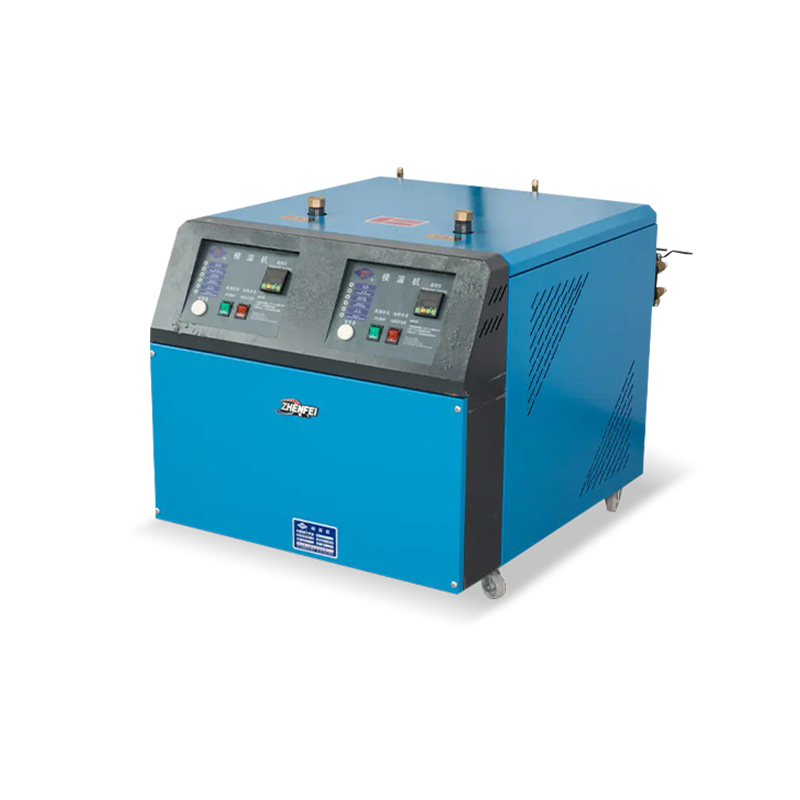
Even the best injection unit cannot overcome unstable mold temperature. A dedicated automatic mould temperature control machine keeps the mold surface within a narrow range, which directly reduces warpage, sink marks, and cycle time variation.
Wholesale Automatic mould temperature control machines Factory, Manufacturers - Ningbo Zhenfei Injection Molding Machine Manufacturing Co., Ltd. is China wholesale Automatic mould temperature control machines Manufact...View Product →A high precision injection molding machine is a long-term investment, so the supplier's manufacturing discipline and support network matter as much as the machine specification. A factory operating under structured quality management and lean production principles is more likely to build machines that perform consistently from unit to unit. ISO 9001 certification provides a baseline for quality systems, while CE certification is important when the machine will be installed in markets that require it.
Ask the supplier how they handle training, spare parts availability, and field service. The best machine in the lineup cannot help you meet tolerances if your team cannot start it up smoothly.
No single machine guarantees precision on its own. The right combination of machine, mold, auxiliary equipment, and process expertise is what meets your tolerance targets day after day. Start by defining your critical tolerances and production volume, then compare machine specifications, closed-loop control, and the supplier's track record in your application area. That approach turns "high precision" from a marketing phrase into an achievable production outcome.
Recommended Products

 Custom Zhenfei Electric Injection Molding Machine Manufacturers
Copyright © Ningbo Zhenfei Injection Molding Machine Manufacturing Co., Ltd. Rights Reserved.
Custom Zhenfei Electric Injection Molding Machine Manufacturers
Copyright © Ningbo Zhenfei Injection Molding Machine Manufacturing Co., Ltd. Rights Reserved.



 中文简体
中文简体 English
 Español
 中文简体
中文简体