Date:Sep 14, 2026
Content
When a procurement manager asks for the cost of an injection molding machine, the answer is rarely a single number. A 200-ton servo machine from one supplier might be quoted at $38,000, while an equivalent machine from another vendor costs $65,000. The gap is real, and understanding where it comes from prevents you from paying for features you do not need, or buying a machine that cannot keep up with your production.
For most mid-size plastic processors, a 100 to 500 ton injection molding machine costs between $30,000 and $80,000 depending on configuration. Machines below 100 tons typically start around $15,000, while units above 500 tons range from $80,000 to more than $500,000. Your final number depends on clamping force, drive system, automation level, and the supplier's manufacturing standard. The total investment, however, also includes mold costs, auxiliary equipment, and operating energy over the machine's lifetime.
Clamping force is the most useful starting point for budgeting, because it determines the maximum size of the part you can produce. The table below gives typical price ranges for different tonnage classes based on standard configurations.
| Machine Size | Clamping Force | Typical Price Range | Typical Applications |
|---|---|---|---|
| Small | 50-150 tons | $15,000 - $40,000 | Caps, connectors, small household parts |
| Medium | 150-500 tons | $30,000 - $100,000 | Packaging, automotive components, daily-use items |
| Large | 500-1,000 tons | $80,000 - $250,000 | Pallets, crates, large automotive panels |
| Heavy | 1,000-2,500 tons | $150,000 - $500,000+ | Industrial containers, structural parts |
These ranges are consistent with what you will encounter in the injection molding machine market, but they are not a substitute for a detailed quotation. A supplier that builds machines to precise tolerances and uses high-quality hydraulic components may price higher than a generic producer, even for the same tonnage.
Clamping force is the pressure that holds the mold closed while the injection unit pushes molten plastic into the cavity. The larger the part, the more clamping force you need. A 100-ton machine uses a much smaller platen and tie bar assembly than a 1,000-ton unit, which means significantly less steel, fewer machining hours, and simpler hydraulics. That is why the cost curve rises sharply as you move into large machines.
Shot size is equally important. The injection unit must deliver enough plastic to fill the mold in one cycle. If the shot capacity is too small, you cannot produce the part even if the clamping force is adequate. Oversizing the injection unit, however, wastes energy and increases the price unnecessarily.
The drive system is one of the biggest factors separating low-cost machines from premium models. Traditional hydraulic machines use a fixed-displacement pump and run at constant speed. They are simple, durable, and inexpensive to build, but they consume electricity even when the machine is idle between cycles.
Servo energy-saving machines replace the fixed pump with a servo-driven variable pump that matches flow and pressure to the actual load. In typical injection molding production, a servo system reduces power consumption by 30 to 70 percent compared with a conventional hydraulic unit. The purchase price is generally 10 to 20 percent higher, but the savings in electricity are recovered within one to three years of operation, especially on long shift runs.
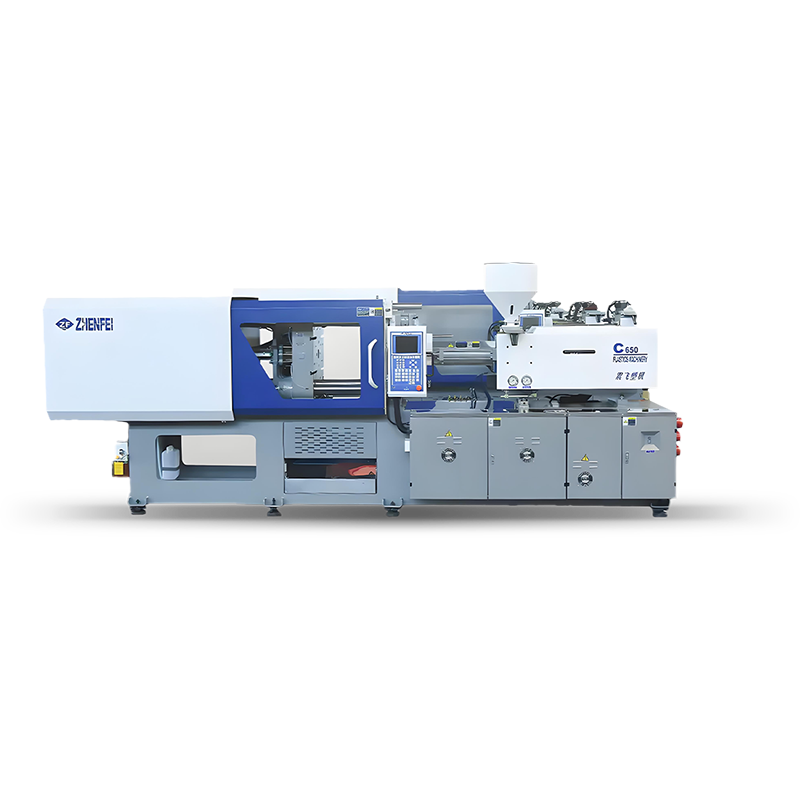
 Servo Energy-Saving Injection Molding Machine for Continuous ProductionThis servo-driven hydraulic machine adjusts flow and pressure to match load, cutting power use by 30–70% versus conventional units. Ideal for long shifts, it recovers the higher upfront cost within one to three years.View Product →
If your production runs continuously and your electricity tariff is not negligible, the servo option is almost always worth the extra upfront cost. For a workshop that runs only a few hours a day, a standard hydraulic machine may still be the more economical choice.
Automation options can add 10 to 40 percent to the machine price. A basic machine with a simple control panel is much cheaper than one with a color touchscreen, stored mold recipes, automatic lubrication, and a robot interface. The question is not whether automation is better, but whether it produces a return for your specific production volume.
A high-volume line producing the same part continuously will benefit from a fully automated cell. A job shop that changes molds several times a day may be better served by a straightforward manual machine, where fast changeover matters more than robotic part removal.
A 200-ton machine in continuous production can consume 20,000 to 40,000 kWh per month, depending on cycle time and part design. If your local electricity rate is $0.10 per kWh, that is $2,000 to $4,000 per month, or $24,000 to $48,000 per year. A servo energy-saving system that cuts consumption by 30 percent saves thousands of dollars annually, which is why the difference between a standard hydraulic machine and a servo machine is measured in months, not years.
Molds are often the largest single cost in an injection molding project. A simple aluminum mold for a low-volume part may cost $2,000 to $5,000. A multi-cavity hardened steel mold for high-volume production can range from $20,000 to $100,000 or more. Surface finish requirements, tolerances, undercuts, and cavity count all drive mold complexity. When you create a budget for a new product, the mold is likely to be at least as expensive as the machine itself.
The speed of the machine directly influences labor cost per part. If one machine completes a cycle in 30 seconds and another takes 40 seconds for the same part, the faster machine produces 25 percent more parts per hour with the same operator. Over a year, that difference is significant. Fast-cycling machines are designed for thin-wall parts and short holding times, which is why they command a premium over standard machines.
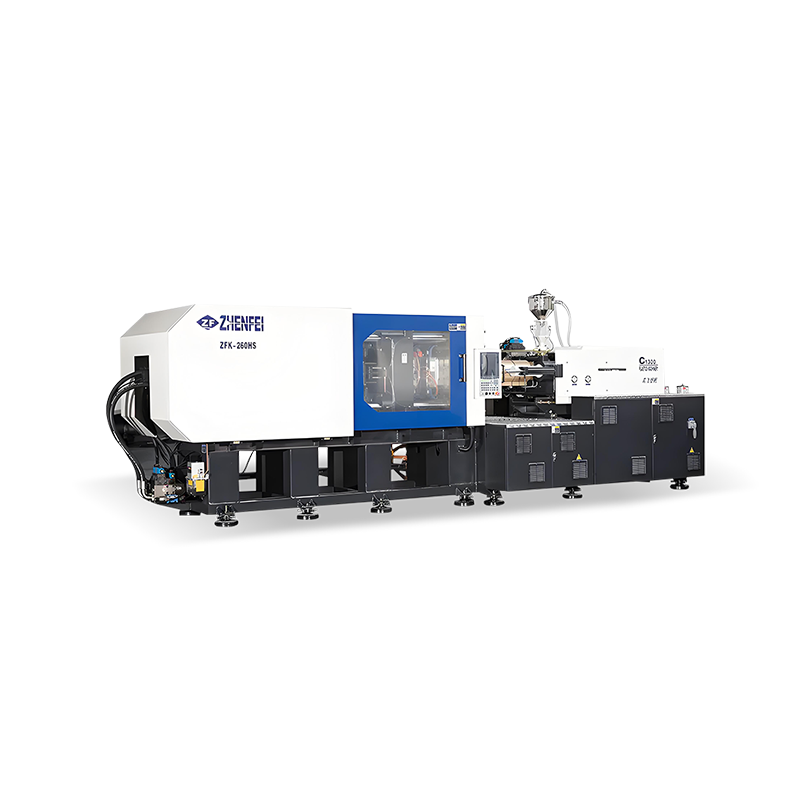
High-Speed Rapid Prototyping Injection Molding MachineDesigned for fast cycling and thin-wall parts, this machine reduces cycle times and labor cost per part. Suitable for food packaging and healthcare, it boosts hourly output with the same operator.View Product →
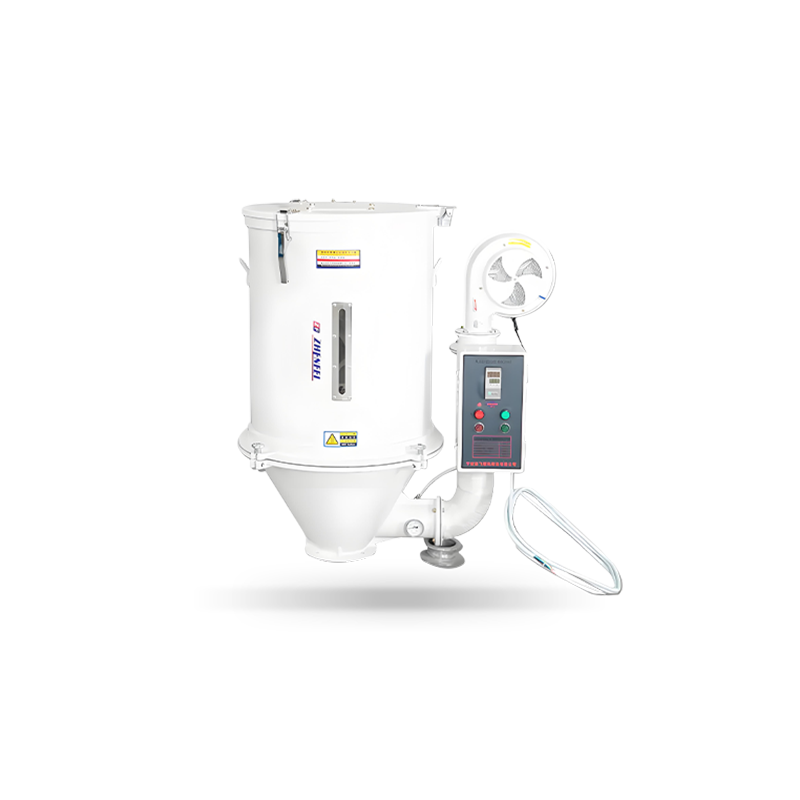
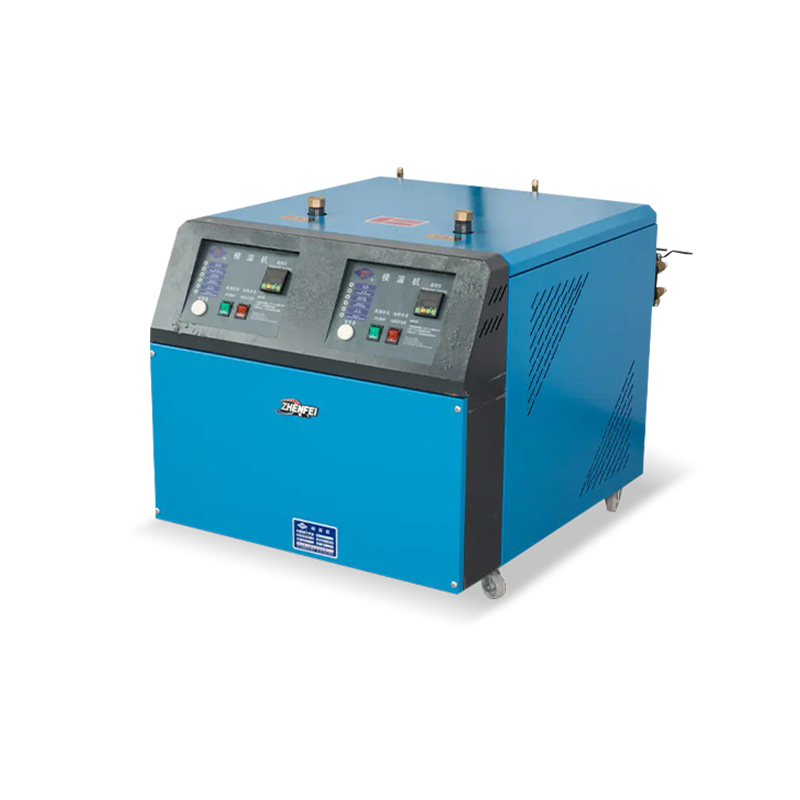
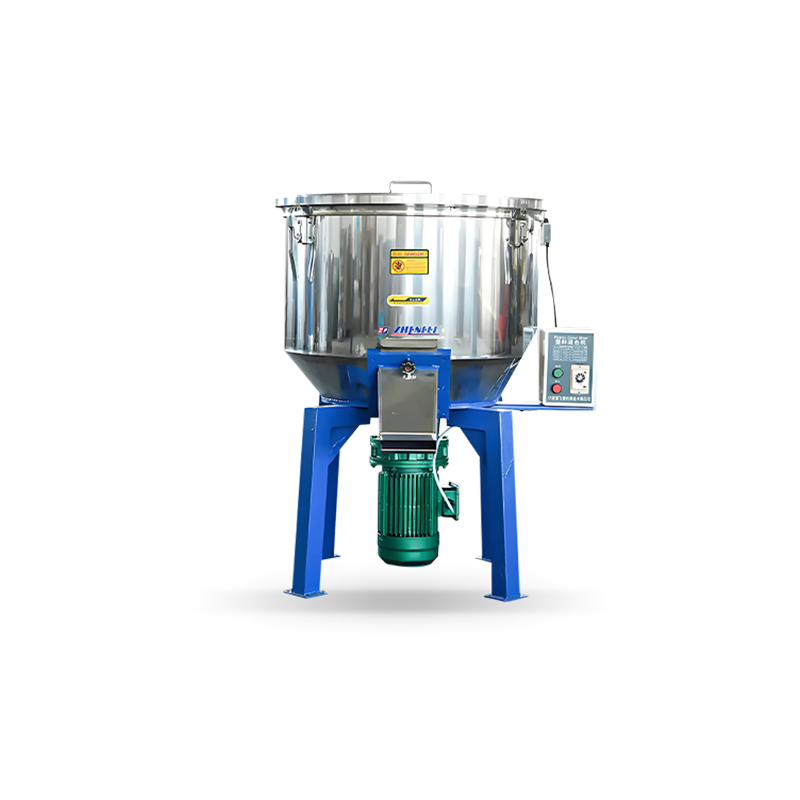
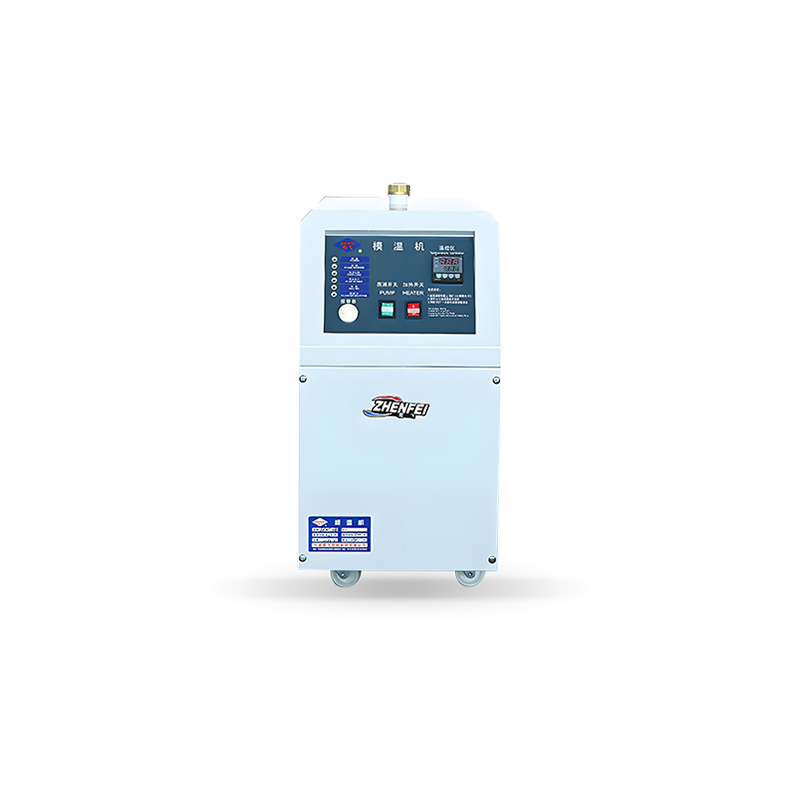
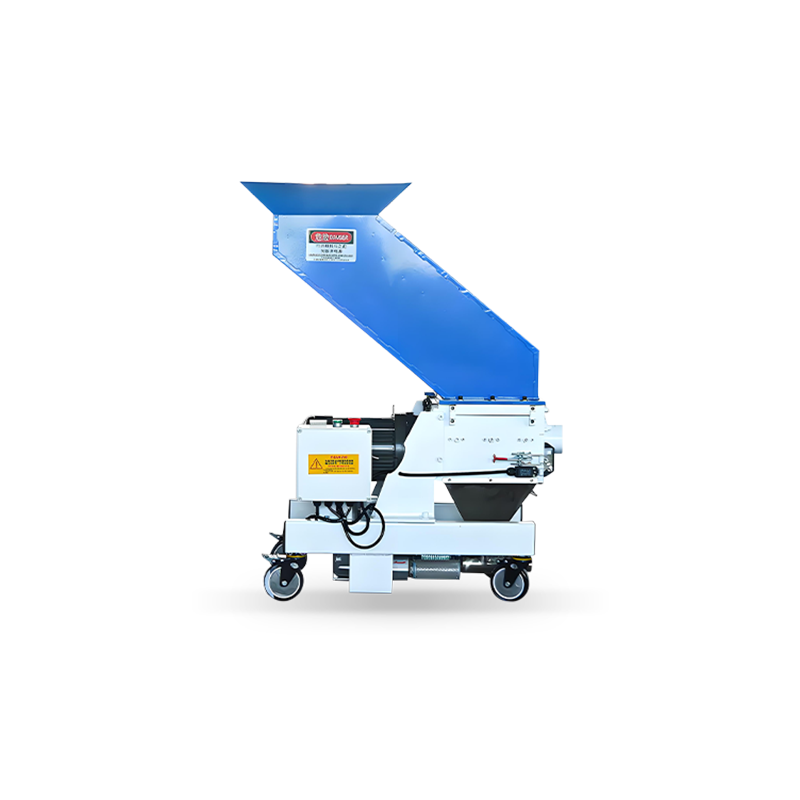
An injection molding machine does not work alone. A typical production cell includes a hopper dryer to remove moisture from the resin, an autoloader to feed material, a mold temperature controller to stabilize the mold, and a crusher to regrind sprues and rejected parts. Each of these has its own price, but they contribute to quality consistency and material savings.
Neglecting auxiliary equipment when budgeting can result in a machine that produces parts, but with more scrap and downtime than expected. Factoring in these peripherals gives you a realistic picture of the total investment required.
Most overpayment happens when a buyer selects a larger machine than the part actually requires, or chooses a high automation package for low-volume work. Start by defining the part weight, cavity count, wall thickness, and expected cycle time. From these, you can calculate the needed clamping force and shot size, and then buy the least expensive machine that meets the requirements.
This approach reduces the temptation of buying a bigger and more capable machine than needed. It also keeps the machine in its efficient operating range, which improves product quality and reduces energy waste.
Ask every supplier for details on energy consumption, spare part prices, maintenance intervals, and expected service life. A machine that is 10 percent cheaper but 15 percent less efficient will typically cost more over three to five years. In plastic injection molding, reliability matters as much as purchase price, because downtime is measured in lost output and late deliveries.
Plastics are not all the same. If your production involves bakelite, BMC, or other thermosetting materials, a standard machine with an ordinary screw and barrel may not be suitable. Thermoset materials cure under heat inside the barrel, which requires a special screw design and a barrel with precise temperature control. Choosing a machine designed for these materials avoids premature curing and extends the service life of the injection unit.
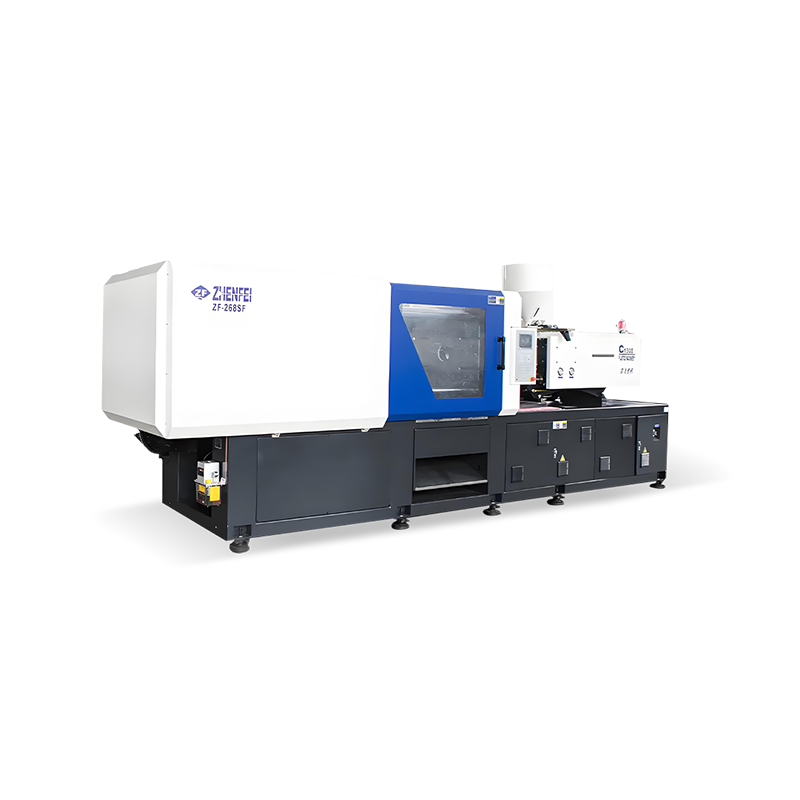
Bakelite Injection Molding Machine for Thermoset MaterialsEquipped with a specialized screw, barrel, and cooling system, this machine prevents premature curing of thermoset materials like bakelite and BMC. Offers reliable plasticizing and custom mold heating options.View Product →
When you compare quotes, make sure each one covers the same specifications. Ask the supplier to break down the machine price, mold cost, auxiliary equipment, installation, and training separately. This level of transparency lets you compare like for like and avoids surprises during installation.
There are practical ways to reduce injection molding costs beyond the initial purchase price. Understanding how machine parameters, mold design, and material handling affect your per-part cost is essential. When you are ready to select a machine, a parameter-driven approach keeps your decision grounded in production data instead of emotional preference.
If you want to learn practical ways to lower your operating expenses, this guide on reducing injection molding costs covers the levers that matter most after the machine is installed.
The cost of an injection molding machine is never a single number. It is the result of clamping force, drive technology, automation, material compatibility, and the supporting equipment that keeps a production cell running. By understanding the price ranges, identifying the factors that shift them, and evaluating total cost of ownership, you can make a purchasing decision that pays for itself and serves your business for years to come.
Recommended Products

 Custom Zhenfei Electric Injection Molding Machine Manufacturers
Copyright © Ningbo Zhenfei Injection Molding Machine Manufacturing Co., Ltd. Rights Reserved.
Custom Zhenfei Electric Injection Molding Machine Manufacturers
Copyright © Ningbo Zhenfei Injection Molding Machine Manufacturing Co., Ltd. Rights Reserved.



 中文简体
中文简体 English
 Español
 中文简体
中文简体