Date:Jul 13, 2026
Content
The right injection molding machine depends primarily on three factors: required clamping tonnage, shot size capacity, and your production volume. As a quick rule of thumb, clamping tonnage should be calculated at 2-5 tons per square inch of projected part area, meaning a part with a 10 square inch projected area typically needs a machine in the 20-50 ton range. For small prototype parts or low-volume production, a desktop plastic injection molding machine or micro molder (under 5 tons) is sufficient and can cost as little as $3,000 to $15,000. For mid-size commercial production, a standard plastic injection molding machine in the 100-500 ton range typically costs $50,000 to $250,000, while large industrial machines exceeding 1,000 tons can run $500,000 to over $2 million.
Below, we break down exactly how to calculate the tonnage you need, compare the key specs across machine types, and provide a detailed cost breakdown so you can budget accurately before purchasing injection molding equipment.
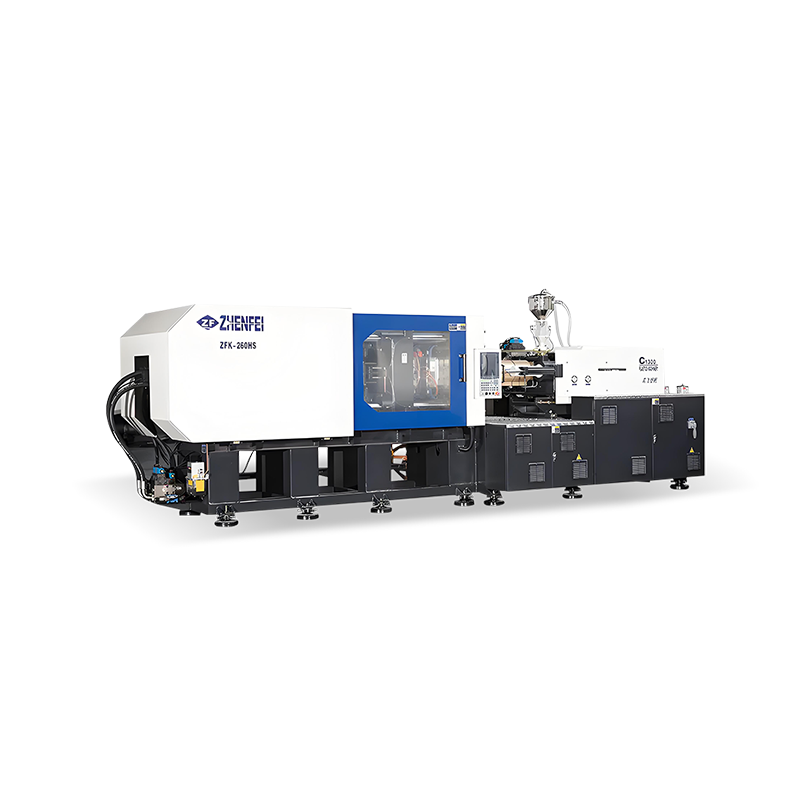
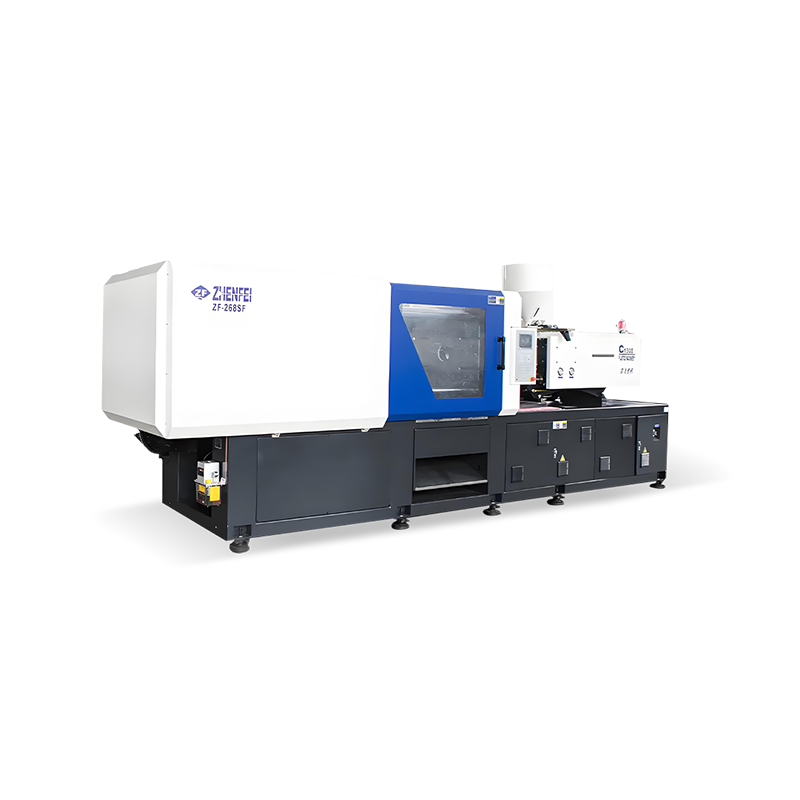
An injection molding machine, also called a plastic injection machine, is industrial equipment that melts plastic pellets and injects the molten material into a steel or aluminum mold under high pressure. Once the plastic cools and solidifies inside the mold cavity, the machine opens and ejects the finished part. This process repeats continuously, making injection molding one of the most efficient methods for mass-producing plastic components.
Every molding machine, regardless of size or brand, consists of three core systems: the injection unit (which melts and injects plastic), the clamping unit (which holds the mold closed under pressure), and the control system (which manages temperature, pressure, and timing throughout each cycle). Understanding these systems is essential before evaluating any plastic injection molding equipment for purchase.
Tonnage refers to the clamping force a molding machine can exert to keep the mold closed against the pressure of injected plastic. Choosing insufficient tonnage causes "flashing," where molten plastic leaks out between mold halves, while excessive tonnage wastes energy and increases equipment cost unnecessarily.
The standard industry formula is: Tonnage = Projected Area (in²) × Clamping Force Factor. The clamping force factor typically ranges from 2 to 5 tons per square inch, depending on the plastic resin being used:
For example, a plastic mould maker producing a part with a 50 square inch projected area using ABS resin would need approximately 150-200 tons of clamping force (50 × 3-4).
| Tonnage Range | Machine Category | Typical Parts |
|---|---|---|
| Under 5 tons | Micro molder / desktop machine | Small prototypes, connectors, micro parts |
| 25-100 tons | Small production machine | Caps, small housings, electronic parts |
| 100-500 tons | Mid-size production machine | Appliance housings, automotive trim |
| 500-1,500 tons | Large production machine | Automotive bumpers, pallets, large bins |
| 1,500+ tons | Industrial-scale machine | Large containers, industrial pallets |
Beyond tonnage, injection molding equipment is categorized by drive mechanism and orientation. Each type has distinct advantages depending on part design, precision requirements, and budget.
Hydraulic machines use oil pressure to drive both the injection and clamping units. They are the most common and affordable type of plastic molding machine, offering high tonnage capability at a lower upfront cost—typically 20-30% cheaper than equivalent electric machines. The trade-off is higher energy consumption and slower cycle times.
Electric machines use servo motors instead of hydraulic pumps, resulting in 30-50% lower energy consumption, faster cycle times, and superior repeatability for precision parts. These machines cost more upfront but often pay back the price difference within 2-4 years through energy savings, especially for high-volume operations.
Hybrid machines combine hydraulic clamping with electric injection drives, balancing cost and performance. They typically deliver energy savings of 15-25% over pure hydraulic systems while remaining less expensive than fully electric models.
A vertical injection molding machine orients the clamping unit vertically rather than horizontally, making it ideal for insert molding (where metal components are pre-placed in the mold) and applications with limited floor space. These machines are widely used for electrical connectors, medical devices, and overmolded parts.
A desktop plastic injection molding machine, sometimes called a micro molder, is a compact, benchtop unit designed for prototyping, education, and very small-batch production. These units typically handle shot sizes under 1 ounce and cost between $3,000 and $15,000, making them accessible to small businesses, hobbyists, and engineering labs.
While distinct from standard injection machines, a blow mold machine is often grouped in the same equipment category since it also processes molten plastic using similar heating and forming principles. Blow molding is used specifically for hollow parts like bottles and containers, using air pressure to expand plastic within a mold rather than injecting it under clamping force.
Tonnage alone doesn't determine whether a machine fits your production needs. Several other specifications matter just as much when evaluating plastic injection molders.
Shot size refers to the maximum volume of molten plastic a machine can inject in a single cycle, usually measured in ounces or grams. Your part's volume (plus the runner system) must fall within 20-80% of the machine's rated shot capacity for optimal consistency—using a machine far below its capacity often results in poor material quality control.
The platens are the plates that hold the mold halves, and the space between tie-bars determines the maximum mold dimensions the machine can accommodate. Always confirm your mold's outer dimensions fit within the machine's tie-bar spacing with adequate clearance, typically at least 1-2 inches on each side.
Measured in PSI or bar, injection pressure determines how effectively molten plastic fills thin-walled or complex geometries. Standard plastic injection machines operate between 15,000 and 30,000 PSI, with higher pressure needed for thin-wall parts or long flow paths.
Cycle time is the total duration of one complete molding cycle, from mold closing through part ejection. Faster machines reduce cycle times to under 10 seconds for small parts, directly impacting your overall production throughput and cost per part.
The screw inside the injection unit melts and conveys plastic toward the mold. The length-to-diameter (L/D) ratio, typically 20:1 to 24:1, affects how thoroughly and consistently plastic is melted before injection.
Total cost of ownership extends far beyond the machine's sticker price. Understanding all associated costs helps you budget accurately for your plastic injection molding equipment investment.
| Tonnage | Hydraulic Machine Cost | Electric Machine Cost |
|---|---|---|
| Under 5 (desktop/micro) | $3,000-$15,000 | N/A (rarely available) |
| 25-100 tons | $30,000-$80,000 | $50,000-$120,000 |
| 100-500 tons | $80,000-$250,000 | $120,000-$350,000 |
| 500-1,500 tons | $250,000-$700,000 | $350,000-$900,000 |
| 1,500+ tons | $700,000-$2,000,000+ | $900,000-$2,500,000+ |
Buying a used plastic injection machine can reduce upfront cost by 40-60% compared to new equipment. However, used machines often come with shorter remaining lifespans, limited or no warranty, and potential hidden maintenance needs—always request maintenance records and conduct a trial run before purchasing used injection molding equipment.
Follow this sequence to make a confident, well-informed purchasing decision when sourcing from plastic injection molders or equipment dealers.
Equally important as the machine itself is choosing a reliable plastic mould maker or equipment supplier, since mold quality directly affects part consistency and machine performance over time.
Different industries gravitate toward specific molding machine configurations based on part complexity, volume, and precision requirements.
Medical applications often favor electric injection molding machines and vertical injection molding machine configurations for cleanroom compatibility and precise repeatability required for parts like syringe components and connector housings.
Automotive parts typically require large-tonnage hydraulic or hybrid machines (500-2,000+ tons) to produce bumpers, dashboards, and structural components with consistent strength.
Packaging applications often use blow mold machine equipment for bottles and containers, alongside standard plastic injection machines for caps, closures, and lids.
Engineering teams and startups frequently rely on a desktop plastic injection molding machine or micro molder to validate part designs quickly and affordably before committing to expensive production tooling.
A small desktop plastic injection molding machine starts around $3,000-$15,000, while a standard mid-size production machine (100-500 tons) typically costs $80,000-$350,000 depending on whether it's hydraulic or electric.
For most small parts with a projected area under 20 square inches, a machine in the 25-100 ton range is typically sufficient, using the standard 2-5 tons per square inch calculation based on resin type.
Electric machines offer better precision and 30-50% lower energy costs, making them ideal for high-precision or high-volume production, while hydraulic machines remain the better choice for budget-conscious buyers or lower-volume operations.
Yes, a micro molder can handle low-volume production runs, but it's generally not cost-effective beyond a few thousand units per year due to slower cycle times and limited automation compared to industrial-scale plastic injection molders.
Standard configurations typically ship within 8-16 weeks, while custom-built machines or those requiring special certifications can take 4-6 months from order to delivery.
Recommended Products

 Custom Zhenfei Electric Injection Molding Machine Manufacturers
Copyright © Ningbo Zhenfei Injection Molding Machine Manufacturing Co., Ltd. Rights Reserved.
Custom Zhenfei Electric Injection Molding Machine Manufacturers
Copyright © Ningbo Zhenfei Injection Molding Machine Manufacturing Co., Ltd. Rights Reserved.



 中文简体
中文简体 English
 Español
 中文简体
中文简体