Date:Jan 12, 2026
Content
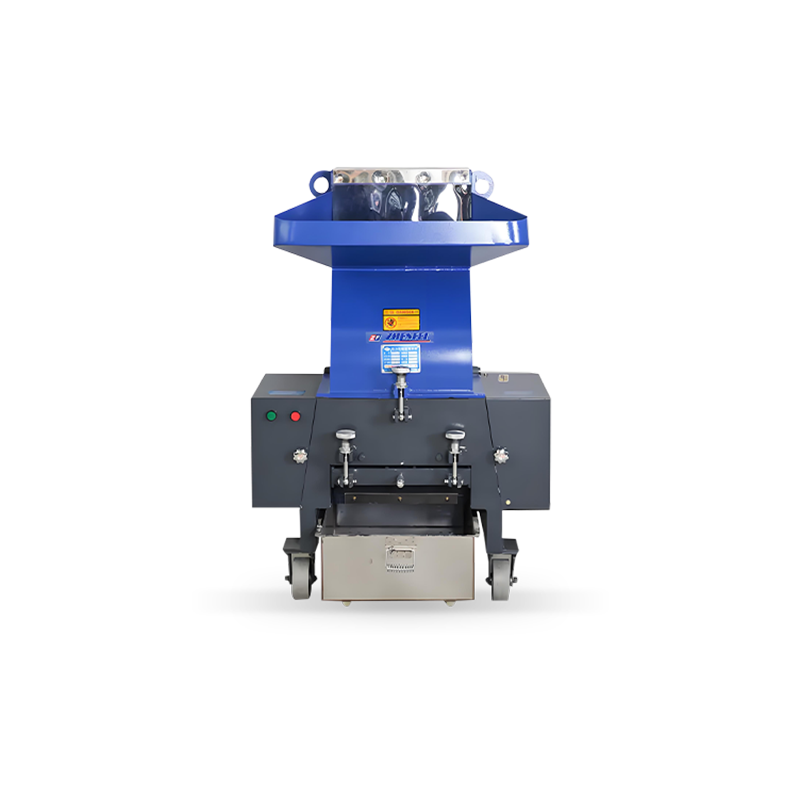
The importance of effective waste management systems cannot be overstated, especially as the volume of waste produced globally continues to increase. Pulverising automatic recycling machines play a key role in addressing the challenges of modern waste management, by offering efficient, cost-effective, and environmentally friendly solutions. These machines are designed to break down large volumes of waste materials into smaller, more manageable particles, which can then be sorted, recovered, and reused.
Pulverising automatic recycling machines significantly enhance the efficiency of waste processing by reducing the need for manual labor and increasing processing speed. Traditional recycling methods often require human intervention to sort and process materials, which can be both time-consuming and error-prone. In contrast, pulverising machines are fully automated, reducing the risk of human error and ensuring a more consistent output. The machines are capable of handling large volumes of waste materials and breaking them down into smaller, uniform particles, which are easier to manage and sort.
The automation provided by these machines allows for continuous operation, further enhancing productivity. Since the machines are capable of processing materials at a much faster rate than manual methods, the overall turnaround time for recycling operations is drastically reduced. This leads to faster recycling cycles, quicker waste management, and more efficient use of resources.
| Factor | Manual Processing | Pulverising Machines |
|---|---|---|
| Processing Speed | Slow and labor-intensive | Fast and automated |
| Labor Involvement | High | Low |
| Error Rate | High | Low |
| Consistency | Inconsistent | Consistent and uniform |
One of the most important benefits of pulverising automatic recycling machines is their ability to enhance material recovery. The process of pulverisation breaks down larger waste materials, such as plastics, metals, and rubber, into smaller particles. This makes it easier to separate different types of materials for further processing and reuse. Additionally, the pulverised particles are often of a higher quality, allowing for better recovery rates of valuable materials.
For example, in the case of electronic waste (e-waste), pulverising machines can break down devices such as smartphones, laptops, and televisions into smaller pieces. This enables the recovery of precious metals like gold, silver, and copper, which are often found in small quantities within electronic devices. By recovering these valuable materials, businesses can reduce their dependence on virgin resources and minimize the environmental impact associated with mining and extraction.
The improved material recovery also reduces the amount of waste that ends up in landfills, promoting a more sustainable waste management system. This helps reduce the burden on landfills and lowers the environmental footprint of waste management operations.
Pulverising automatic recycling machines contribute significantly to reducing the environmental impact of waste management. The primary way they achieve this is by reducing the volume of waste that needs to be sent to landfills. As these machines efficiently break down materials into smaller particles, they make it easier to separate and recycle valuable components. This reduces the need for disposal and minimizes the environmental footprint associated with waste accumulation.
In addition to minimizing landfill waste, pulverising machines help in reducing greenhouse gas emissions. Waste that is not properly recycled often generates methane, a potent greenhouse gas, as it decomposes in landfills. By increasing recycling rates and reducing the volume of waste sent to landfills, pulverising machines play a role in mitigating climate change. Moreover, the pulverisation process can make materials more compact, allowing for better storage and transportation. This reduces the need for excess transportation resources, further decreasing the carbon footprint of waste management operations.
| Environmental Impact | Without Pulverising Machines | With Pulverising Machines |
|---|---|---|
| Waste Sent to Landfills | High | Low |
| Greenhouse Gas Emissions | High | Low |
| Resource Usage | Inefficient | Optimized |
| Recycling Rate | Low | High |
Although the initial investment in pulverising automatic recycling machines can be considerable, the long-term cost savings they provide make them a worthwhile investment. The automation aspect of these machines greatly reduces the need for manual labor, which helps companies lower labor costs. Additionally, the machines’ ability to process materials quickly and efficiently reduces the overall operational costs associated with waste management.
The reduced reliance on manual labor not only saves money but also decreases the risk of workplace injuries and the associated costs. Furthermore, by improving material recovery rates, these machines help businesses recover valuable resources that can be sold or reused, further contributing to cost savings. Over time, the increased efficiency, reduced environmental impact, and improved material recovery make pulverising automatic recycling machines a highly cost-effective solution for waste management.
Another benefit of pulverising automatic recycling machines is their versatility. These machines can handle a wide variety of waste materials, including plastics, metals, rubber, textiles, and even organic waste. This makes them suitable for use in a range of industries, from electronics recycling to automotive and construction waste management. The ability to process multiple types of waste makes these machines a valuable asset for recycling facilities looking to streamline their operations.
By handling a diverse array of materials, pulverising machines help waste management facilities eliminate the need for specialized equipment for each type of waste. This consolidation simplifies the recycling process and reduces the complexity of waste management operations. Moreover, the adaptability of these machines makes them a long-term solution for businesses and municipalities looking to manage waste efficiently and sustainably.
Q: What types of materials can be processed by pulverising automatic recycling machines?
A: Pulverising machines can process a wide range of materials, including plastics, metals, rubber, textiles, organic waste, and e-waste.
Q: How do pulverising automatic recycling machines improve material recovery?
A: By breaking down waste materials into smaller particles, these machines make it easier to separate and recover valuable components, such as metals, plastics, and rubber, which can be reused or sold.
Q: Are pulverising automatic recycling machines energy-efficient?
A: Yes, these machines are designed to be energy-efficient, as their automated processes reduce the need for manual labor and optimize operational resources, leading to lower energy consumption.
Q: Can pulverising machines handle large volumes of waste?
A: Yes, pulverising automatic recycling machines are capable of handling large volumes of waste, making them suitable for high-capacity recycling facilities.
Recommended Products

 Custom Zhenfei Electric Injection Molding Machine Manufacturers
Copyright © Ningbo Zhenfei Injection Molding Machine Manufacturing Co., Ltd. Rights Reserved.
Custom Zhenfei Electric Injection Molding Machine Manufacturers
Copyright © Ningbo Zhenfei Injection Molding Machine Manufacturing Co., Ltd. Rights Reserved.



 中文简体
中文简体 English
 Español
 中文简体
中文简体