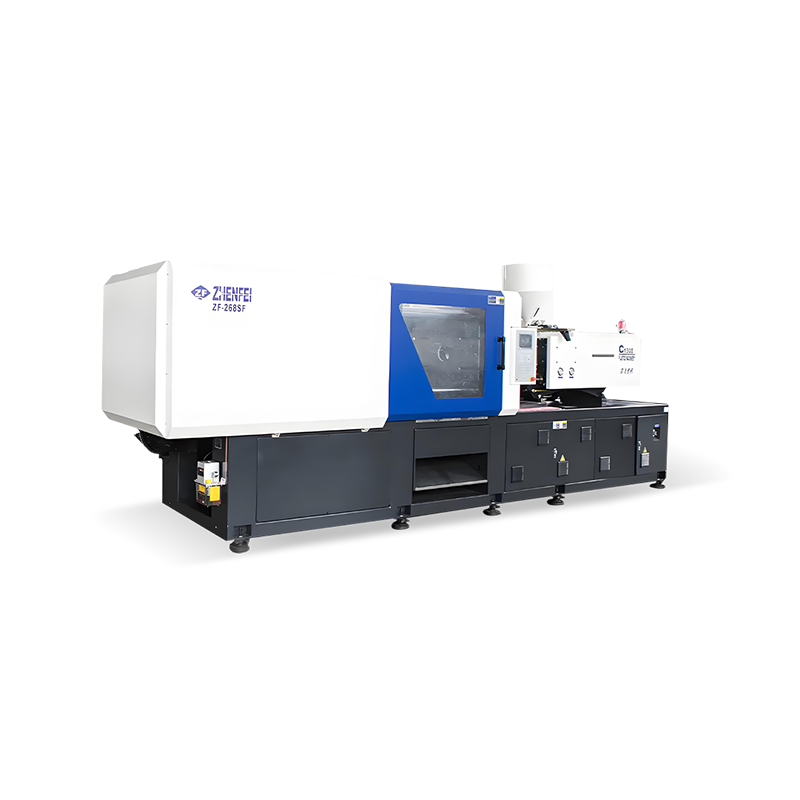
An injection molding machine works by melting plastic pellets, injecting the molten material under high pressure into a closed mold cavity, cooling it until solid, and then ejecting the finished part. The entire cycle — from clamping to ejection — typically takes between 10 seconds and 2 minutes depending on part size and material, making it one of the fastest and most scalable methods for producing complex plastic components at volume.
What Is an Injection Molding Machine and What Is It Used For?
A plastic injection molding machine is a manufacturing device designed to produce parts by injecting molten thermoplastic or thermoset material into a precision-made mold. It is the backbone of modern plastic manufacturing, responsible for producing everything from bottle caps and medical syringes to automotive dashboards and consumer electronics housings.
Injection molding is used across virtually every industry because it offers:
- High repeatability: Each part produced is virtually identical, with tolerances often held to ±0.1 mm or tighter
- High production speed: Cycle times as short as 10 seconds per part for small components
- Material efficiency: Sprues and runners can be reground and reused, minimizing waste
- Design flexibility: Complex geometries, undercuts, inserts, and surface textures are all achievable
- Low per-part cost at scale: Once tooling is amortized, per-unit costs drop dramatically with volume
The global injection molding market was valued at approximately USD 289 billion in 2023 and is projected to grow at a CAGR of around 4.5% through 2030, driven by demand from the automotive, medical, packaging, and consumer goods sectors. Understanding how these machines work is the first step to using them effectively or making a sound purchasing decision.
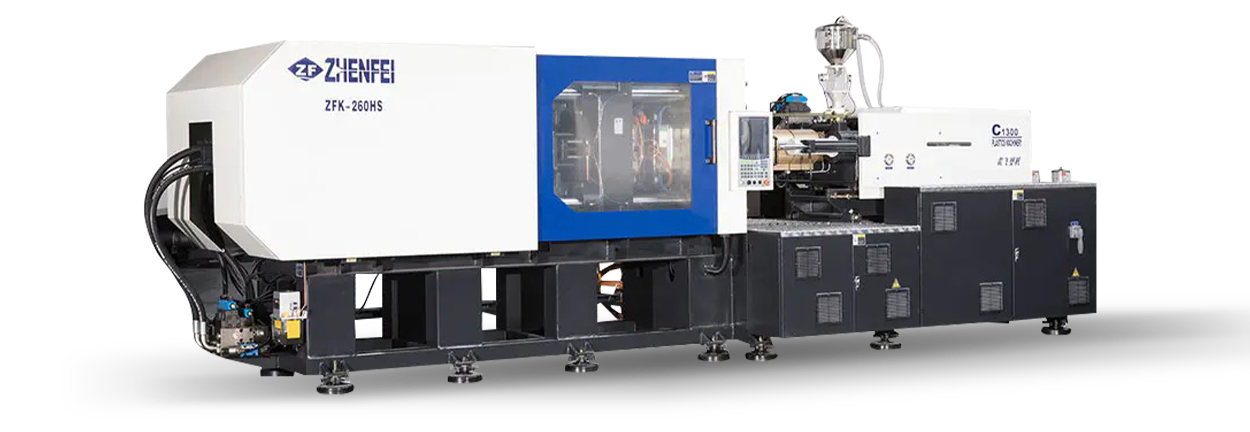
The Main Components of an Injection Molding Machine
Every injection molding machine — regardless of size or type — consists of the same core subsystems. Understanding each component helps you diagnose issues, optimize settings, and communicate clearly with suppliers and operators.
1. The Injection Unit (Plasticizing Unit)
The injection unit is responsible for melting the raw plastic material and delivering it into the mold. Its key sub-components include:
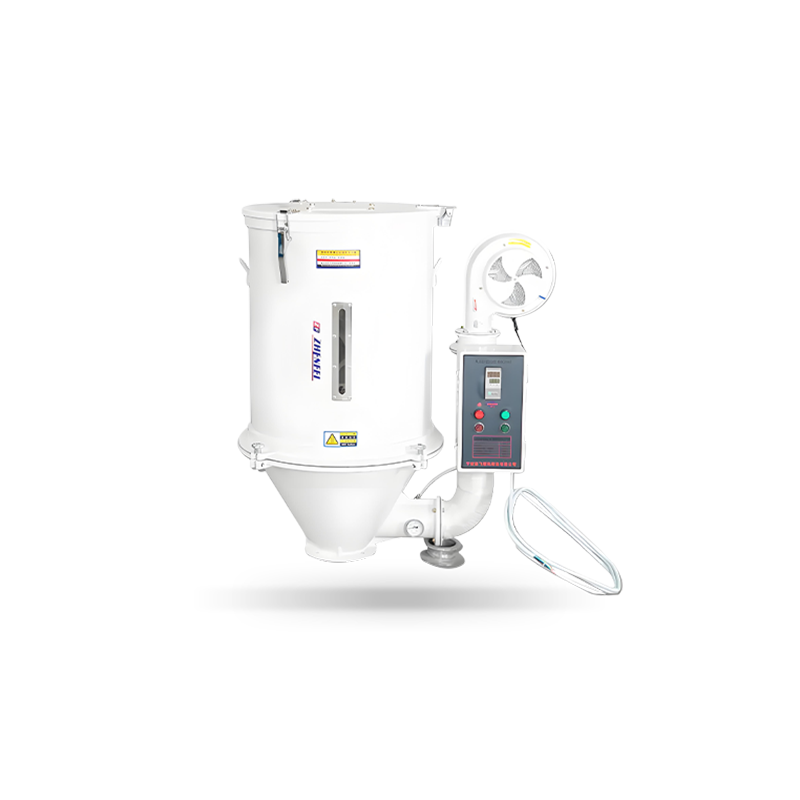
- Hopper: The funnel-shaped container where plastic pellets, granules, or powder are loaded. Dryers are often attached to the hopper to remove moisture from hygroscopic materials like nylon or ABS.
- Barrel: A heated cylindrical tube through which material is conveyed. Barrel temperatures are controlled in multiple zones, typically ranging from 180°C to 320°C depending on material.
- Reciprocating screw: The most critical element — a rotating helical screw that conveys material forward, generates frictional heat to assist melting, and then acts as a plunger to inject the melt into the mold. Screw diameter typically ranges from 20 mm to 200 mm.
- Non-return valve (check ring): Prevents molten plastic from flowing back up the screw during injection, ensuring shot consistency.
- Nozzle: The tip of the barrel that contacts the mold's sprue bushing. It must form a leak-free seal during injection.
2. The Clamping Unit
The clamping unit holds the two halves of the mold together during injection and opens them for part ejection. Its primary measurement is clamping force, expressed in tonnes. A machine with insufficient clamping force will allow the mold to flash (leak plastic at the parting line), producing defective parts.
Clamping force required is calculated approximately as: Projected part area (cm²) × Cavity pressure (kg/cm²). For general purpose plastics, cavity pressure typically ranges from 300 to 700 kg/cm².
- Toggle clamp: Uses a mechanical linkage system amplified by a hydraulic cylinder. More energy efficient at full lock, faster movement.
- Hydraulic clamp (direct): A large hydraulic cylinder directly applies clamping force. Better for large machines and molds requiring variable force.
- Hydro-mechanical: Combines a short-stroke hydraulic cylinder with mechanical toggle elements for force amplification.
3. The Mold
While not technically part of the machine itself, the mold is what gives each part its shape. Molds are typically machined from hardened steel (P20, H13, or S136) or aluminum for prototype tooling. A production-grade steel mold can typically withstand 500,000 to 1,000,000+ cycles. Mold cost is a major component of total injection molding machine cost for any new project, ranging from USD 3,000 for simple single-cavity aluminum tools to USD 100,000+ for complex multi-cavity hardened steel molds.
4. The Control System
Modern injection molding machines use sophisticated PLC (Programmable Logic Controller) or CNC-based control systems with touchscreen HMIs. These allow operators to precisely program and monitor injection speed, pressure profiles, temperature zones, screw RPM, hold pressure, cooling time, and ejection parameters — often with closed-loop feedback for real-time adjustment.
The Injection Molding Cycle: Step by Step
The production cycle of a plastic injection molding machine consists of six distinct stages that repeat continuously during production. Understanding each stage helps operators optimize cycle time and quality simultaneously.
- Mold Closing and Clamping: The movable platen advances, closing the mold halves. The clamping unit then applies full clamping force — often 50 to 6,000 tonnes depending on machine size — to prevent the mold from opening during injection.
- Injection: The screw advances forward like a plunger, pushing the molten plastic shot through the nozzle, into the sprue, through runners and gates, and finally into the mold cavity. Injection pressures commonly range from 700 to 1,400 bar (10,000–20,000 psi).
- Packing / Hold Pressure: After the cavity is filled, a lower "hold" pressure is maintained for several seconds to compensate for material shrinkage as it cools. This stage critically determines final part dimensions and surface quality.
- Cooling: The part solidifies inside the mold. Cooling channels — typically carrying water at 10–50°C — run through the mold to accelerate this process. Cooling time typically represents 50–80% of total cycle time, so optimizing cooling is the most impactful way to reduce cycle time.
- Screw Retraction / Plasticizing: While the part cools, the screw rotates and retracts, conveying and melting the next shot of material from the hopper. This stage runs concurrently with cooling to minimize dead time.
- Mold Opening and Ejection: The clamp opens, the movable mold half retracts, and ejector pins (driven by a hydraulic or mechanical ejector system) push the solidified part out of the mold cavity. The machine is then ready to begin the next cycle.
Types of Injection Molding Machines: Hydraulic, Electric, and Hybrid
The three primary drive system types for injection molding machines each offer distinct advantages and trade-offs. Choosing the right type is one of the most important decisions when evaluating any injection molding machine for sale.
Hydraulic Injection Molding Machine
The hydraulic injection molding machine is the oldest and most widely deployed type globally. It uses a hydraulic pump driven by an electric motor to power all machine movements — clamping, injection, screw rotation, and ejection — through hydraulic cylinders and valves.
- Advantages: High clamping force available (up to 6,000+ tonnes), robust for heavy-duty applications, lower initial purchase cost, well-understood maintenance
- Disadvantages: Higher energy consumption (motor runs continuously even when idle), less precise repeatability, hydraulic fluid requires management and can present contamination risk
- Typical applications: Automotive parts, large structural components, heavy-wall parts, packaging containers
- Energy consumption: Approximately 10–20 kWh per hour for mid-size machines
Electric Injection Molding Machine
The electric injection molding machine replaces hydraulic drives with servo electric motors for all or most machine axes. First commercialized in Japan in the 1980s, all-electric machines have grown rapidly in market share and now account for a significant proportion of new machine sales in Europe, Japan, and North America.
- Advantages: 40–70% less energy consumption than comparable hydraulic machines, superior repeatability and positioning accuracy (±0.01 mm or better), faster cycle times, no hydraulic fluid (cleaner room compatible), quieter operation
- Disadvantages: Higher initial purchase price (typically 20–40% more than hydraulic equivalents), less available in very large clamping forces, servo motor repair can be specialized
- Typical applications: Medical devices, precision electronics, optical components, food-contact parts, clean-room environments
- Energy consumption: Approximately 3–8 kWh per hour for equivalent mid-size machines
Hybrid Injection Molding Machine
Hybrid machines combine servo electric drives for the injection unit and screw with hydraulic drives for clamping. This approach aims to capture the precision and energy savings of electric drives where repeatability matters most, while retaining hydraulic power for the high-force clamping unit at a lower cost than fully electric large-tonnage machines.
- Energy savings vs. pure hydraulic: Typically 20–40%
- Best for: Mid-to-large tonnage applications where full electric is cost-prohibitive but precision and energy efficiency are important
| Feature |
Hydraulic |
Electric |
Hybrid |
| Initial Cost |
Low |
High |
Medium |
| Energy Efficiency |
Low |
Very High |
High |
| Repeatability |
Medium |
Excellent |
Very Good |
| Max Clamping Force |
6,000+ tonnes |
Up to ~650 tonnes |
Up to ~3,000 tonnes |
| Clean Room Suitability |
Poor |
Excellent |
Good |
| Maintenance Complexity |
Medium |
Low–Medium |
Medium |
Table 1: Side-by-side comparison of hydraulic, electric, and hybrid injection molding machine types across key performance and cost parameters.
Injection Molding Machine Size: From Mini to Large-Tonnage
Injection molding machines are classified primarily by their clamping force in tonnes and their shot size (injection volume in cm³). Choosing the right size machine for your application is critical — too small and the mold will flash or the machine will be underpowered; too large and you waste energy and floor space.
Mini Injection Molding Machine
A mini injection molding machine typically offers clamping forces of 1 to 20 tonnes and shot sizes of 1 to 30 cm³. These compact machines are designed for:
- Prototype development and small-batch production
- Educational and laboratory settings
- Jewelry, dental components, and micro-parts
- Hobbyist and maker communities
Benchtop mini injection molding machines from brands like Morgan Press or Babyplast start at around USD 5,000–15,000, making them accessible for small operations and R&D labs.
Small Injection Molding Machine
A small injection molding machine generally refers to units with clamping forces of 20 to 150 tonnes. These are the workhorses of small-to-medium production facilities, suitable for producing parts like connectors, caps, small housings, and medical components. They fit in modest floor spaces and are popular choices when businesses look for an injection molding machine for sale at an entry-to-mid production level.
Medium Injection Molding Machine
Medium machines, spanning 150 to 1,000 tonnes, handle the widest range of production applications. Automotive interior parts, household appliance housings, and large consumer product components typically fall into this range. These machines represent the core of most commercial injection molding operations worldwide.
Large and Very Large Machines
Machines above 1,000 tonnes — and up to 6,000 tonnes or beyond — are used for producing large structural components: automotive bumpers and door panels, large containers, outdoor furniture, and industrial pallets. These machines may occupy factory footprints of 20 meters or more in length and require significant infrastructure investment.
| Category |
Clamping Force |
Typical Shot Size |
Typical Applications |
New Machine Price Range |
| Mini |
1–20 tonnes |
1–30 cm³ |
Prototypes, micro-parts, R&D |
USD 5,000–30,000 |
| Small |
20–150 tonnes |
30–200 cm³ |
Connectors, caps, medical parts |
USD 30,000–120,000 |
| Medium |
150–1,000 tonnes |
200–2,000 cm³ |
Housings, automotive interior, appliances |
USD 100,000–500,000 |
| Large |
1,000–6,000+ tonnes |
2,000–50,000+ cm³ |
Bumpers, pallets, large containers |
USD 400,000–2,000,000+ |
Table 2: Injection molding machine size categories with clamping force, shot size, typical applications, and new machine price ranges.
Injection Molding Machine Price: What Affects the Cost?
The injection molding machine price spans a remarkably wide range — from a few thousand dollars for a benchtop mini unit to several million for a large-tonnage precision machine. Understanding what drives cost helps buyers make informed purchasing decisions and avoid overspending or under-specifying.
Key Factors That Determine Injection Molding Machine Cost
- Clamping force and shot size: Larger machines cost more. A 100-tonne machine may cost USD 40,000–80,000 new, while a 500-tonne machine can exceed USD 200,000.
- Drive system type: Electric machines cost 20–40% more than equivalent hydraulic models due to servo motor and drive system costs. A 200-tonne all-electric may cost USD 150,000–250,000 vs. USD 80,000–130,000 for an equivalent hydraulic.
- Brand and origin: European brands (Engel, Arburg, Krauss-Maffei, Wittmann) and Japanese brands (Fanuc, Sumitomo, Nissei) command premium prices due to precision engineering, after-sales support, and brand reputation. Chinese manufacturers (Haitian, Chen Hsong, Yizumi) offer machines at 30–60% lower prices with increasingly competitive quality.
- Control system sophistication: Advanced multi-axis control, real-time process monitoring, and Industry 4.0 connectivity add significant cost but also improve quality and reduce scrap rates.
- Special capabilities: Multi-component (2K/3K) molding, gas assist, in-mold labeling, or co-injection capabilities each add cost over a standard single-component machine.
- New vs. used: A used injection molding machine can reduce initial capital outlay by 30–70% compared to new, though it comes with higher maintenance risk and potentially shorter remaining service life.
Total Cost of Ownership: Beyond the Purchase Price
The purchase price of an injection molding machine is only part of the true injection molding machine cost. Buyers should factor in:
- Energy costs: A hydraulic machine running 16 hours/day at 15 kWh average may consume 87,600 kWh per year. At €0.20/kWh, that is €17,520 annually — compared to approximately €7,000–9,000 for an equivalent electric machine.
- Maintenance costs: Hydraulic machines require oil changes, filter replacements, and seal maintenance. Budget approximately 2–4% of machine purchase price annually for maintenance.
- Tooling (mold) cost: Often exceeds machine cost for complex parts. This is a one-time cost amortized over the tool's production life.
- Auxiliary equipment: Chillers, dryers, material handling, robots, and conveyors may add 20–50% to total system cost.
Buying Guide: New vs. Used Injection Molding Machine
One of the most consequential decisions for anyone searching for an injection molding machine for sale is whether to purchase new or used. Both paths offer legitimate value depending on budget, application requirements, and risk tolerance.
Advantages of Buying a Used Injection Molding Machine
- Significantly lower upfront cost: A well-maintained used 150-tonne hydraulic machine that cost USD 120,000 new may sell for USD 30,000–60,000 after 5–10 years of service.
- Faster availability: New machines from major European or Japanese brands often have lead times of 16–36 weeks. Used machines available in reseller stock can be delivered and installed in weeks.
- Proven track record: A machine with documented production history and service records is a known quantity.
- Ideal for low-volume or uncertain production: If production volumes are unproven or variable, a lower capital investment reduces financial risk.
Risks and Considerations When Buying a Used Machine
- Unknown wear condition: Screw and barrel wear, hydraulic system condition, and tie-bar fatigue may not be visible without detailed inspection. Always request an inspection report or perform one before purchase.
- Outdated controls: Older machines may use obsolete PLCs or control systems for which spare parts are no longer available, creating long-term service risk.
- No warranty: Most used machines are sold as-is unless a certified refurbisher provides a limited warranty.
- Energy efficiency: Older hydraulic machines often lack variable-displacement pumps or servo-hydraulic systems, resulting in higher energy costs than modern equivalents.
What to Check Before Buying a Used Injection Molding Machine
- Request the machine's full service and maintenance history
- Inspect screw and barrel wear (measure barrel bore diameter and screw flight OD against original specifications)
- Run a full production cycle and measure shot-to-shot weight consistency (target: ±0.5% or better)
- Check tie-bar condition for straightness, thread wear, and signs of fatigue cracking
- Verify hydraulic system pressure, flow rates, and check for leaks
- Confirm availability of spare parts and technical support for the control system
- Verify clamp force calibration with a calibrated load cell if possible
Common Injection Molding Defects and How to Prevent Them
Even with a well-maintained injection molding machine, process defects can occur. Understanding the most common defects and their root causes enables faster troubleshooting and reduces scrap rates.
| Defect |
Description |
Common Causes |
Typical Fix |
| Short Shot |
Cavity not fully filled |
Insufficient shot size, low injection speed/pressure, cold melt |
Increase shot size, injection pressure, or melt temperature |
| Flash |
Excess plastic at parting line |
Insufficient clamping force, worn mold, excessive injection pressure |
Increase clamp force, reduce injection pressure, inspect mold |
| Sink Marks |
Depressions on part surface |
Insufficient hold pressure/time, excessive wall thickness |
Increase hold pressure and time, redesign wall thickness |
| Weld Lines |
Visible lines where flow fronts meet |
Multiple gates, low melt temperature, slow injection |
Increase melt temp, injection speed; relocate gates |
| Warpage |
Distorted or bent part after ejection |
Uneven cooling, non-uniform wall thickness, residual stress |
Balance cooling, extend cooling time, redesign part |
| Burn Marks |
Discoloration or charring on part |
Trapped air, excessive melt temperature, high injection speed |
Add venting, reduce temp and injection speed |
Table 3: Common injection molding defects, their causes, and recommended corrective actions.
Materials Processed in Injection Molding Machines
A plastic injection molding machine can process a wide variety of thermoplastic and thermosetting materials. Material selection profoundly impacts machine configuration requirements, cycle time, and tooling design.
The most commonly processed thermoplastics include:
- Polypropylene (PP): The most widely used injection molding material globally. Low cost, good chemical resistance, easy processing at 200–280°C. Used for packaging, containers, automotive components.
- ABS (Acrylonitrile Butadiene Styrene): Excellent impact resistance and surface quality. Processing temperature 200–250°C. Used extensively for consumer electronics housings, LEGO bricks, and automotive trim.
- Polyethylene (HDPE/LDPE): Low cost, excellent chemical resistance, wide processing window. Used for bottles, pipes, and industrial containers.
- Nylon (PA6/PA66): High strength, excellent wear and heat resistance. Requires thorough drying before processing. Used for gears, bearings, and structural components.
- Polycarbonate (PC): Outstanding impact strength and optical clarity. Processing temperature 260–310°C. Used for optical lenses, safety equipment, and medical devices.
- POM (Acetal/Delrin): Very high stiffness and low friction. Excellent for precision mechanical parts, gears, and fasteners.
- PEEK and other high-performance polymers: Processing temperatures above 350°C require specially configured high-temperature barrels and screws. Used for aerospace, medical implant, and semiconductor applications.
Leading Injection Molding Machine Brands and What Sets Them Apart
When evaluating any injection molding machine for sale, brand reputation, support infrastructure, and machine heritage matter significantly — especially for long-term production reliability. Here are the most prominent manufacturers by region.
European Manufacturers
- Engel (Austria): Known for tie-bar-less machines and pioneering all-electric technology. Strong in automotive and medical sectors.
- Arburg (Germany): Famous for the Allrounder series — highly flexible machines with exceptional precision and reliability. Strong global service network.
- Krauss-Maffei (Germany): Leader in large-tonnage machines and special processes including multi-component molding and reaction injection molding (RIM).
- Wittmann Battenfeld (Austria): Integrated machine-and-automation supplier; strong in precision and packaging applications.
Asian Manufacturers
- Fanuc (Japan): The dominant force in all-electric injection molding with its ROBOSHOT series. Exceptional precision, repeatability, and energy efficiency.
- Sumitomo Demag (Japan/Germany): World leader in ultra-precision thin-wall and optical component molding with all-electric machines.
- Haitian International (China): The world's largest injection molding machine manufacturer by volume. Offers competitive value at 30–50% below European prices with rapidly improving quality and service.
- Chen Hsong (Hong Kong/China): One of Asia's oldest and most established machine builders, strong in packaging and general purpose applications.
Frequently Asked Questions About Injection Molding Machines
What is the minimum budget to get started with injection molding?
For a basic in-house setup with a small injection molding machine (50–100 tonnes), budget USD 40,000–100,000 for the machine plus USD 5,000–30,000 for tooling (single-cavity aluminum mold), plus auxiliary equipment. A complete basic cell may run USD 70,000–150,000 total. For those with even tighter budgets, outsourcing to a contract molder and purchasing a machine later as volume justifies it is a common and sensible approach.
How long does an injection molding machine last?
A well-maintained injection molding machine from a reputable manufacturer can operate effectively for 20–30 years or more. The key wear items — screw, barrel, non-return valve, and hydraulic seals — are all replaceable consumables. Many European machines from the 1990s are still in active production service after refurbishment.
Is a mini injection molding machine suitable for production?
A mini injection molding machine is well-suited for low-volume production of small parts — typically up to a few thousand parts per month. For volumes in the tens of thousands per month or higher, a larger machine with multi-cavity tooling will offer far better economics. Mini machines are most valuable for prototyping, material trials, and specialty micro-part production.
What is the difference between injection molding machine tonnage and shot size?
Tonnage refers to the clamping force the machine can apply to keep the mold closed during injection. Shot size refers to the maximum volume of plastic the injection unit can deliver in a single cycle. Both parameters must be matched to the part being produced — a large, thin part may require high clamping force but a small shot volume, while a thick-walled deep part may require a large shot size but moderate clamping force.
What auxiliary equipment does an injection molding machine require?
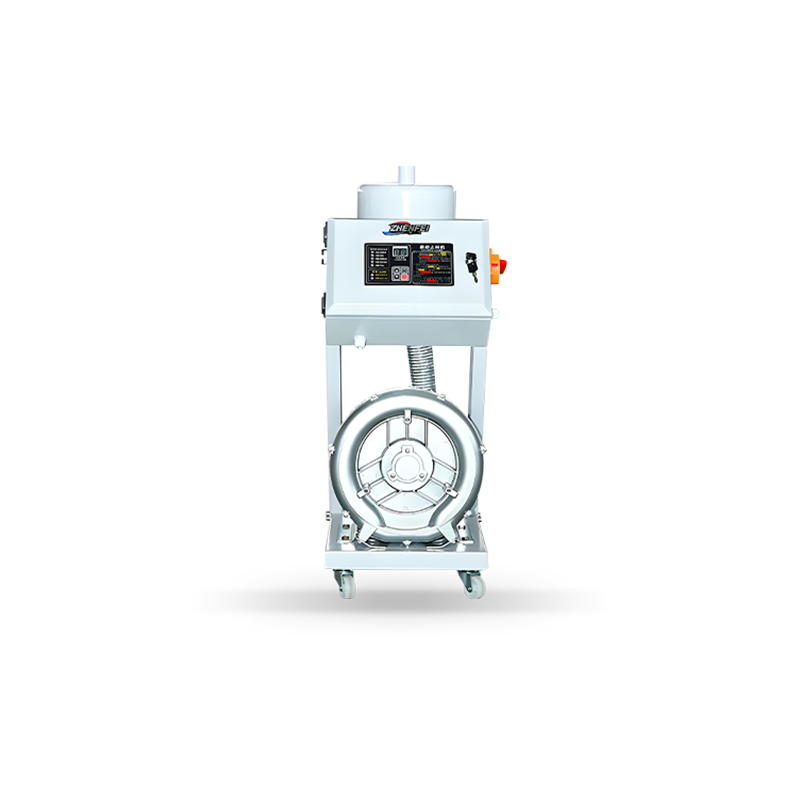
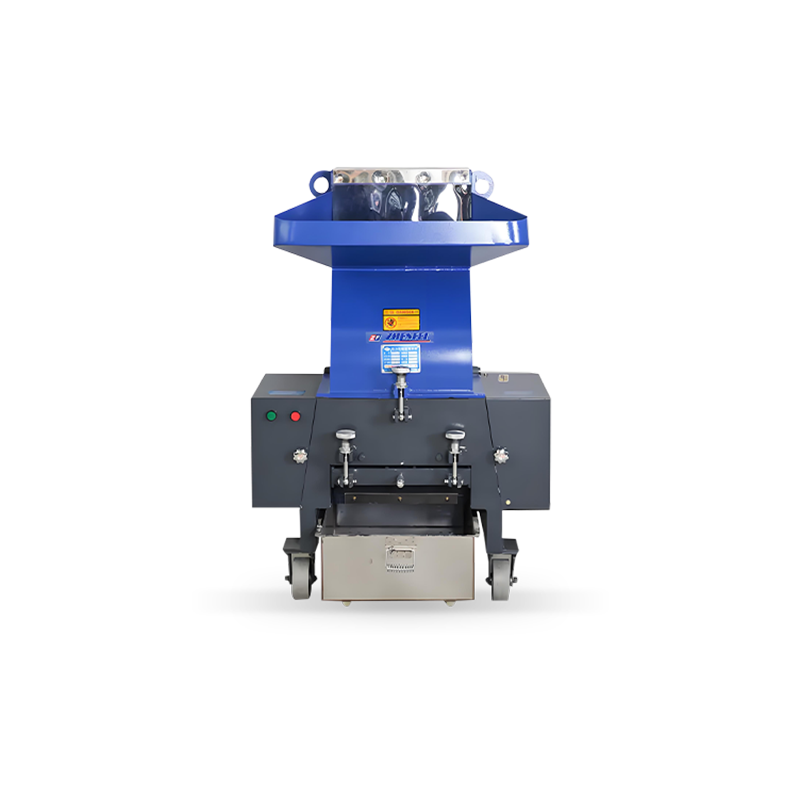
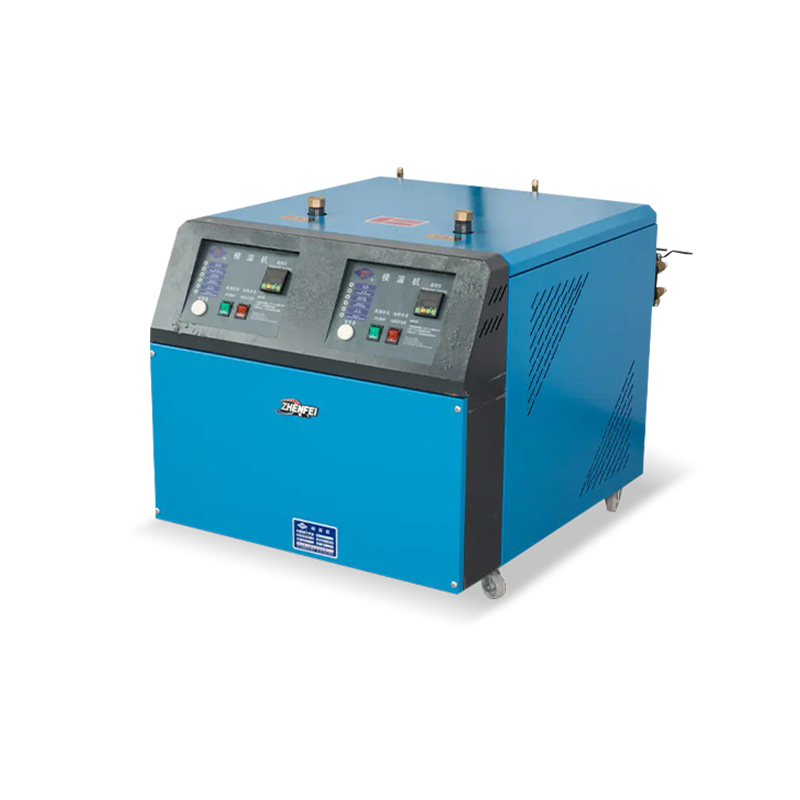
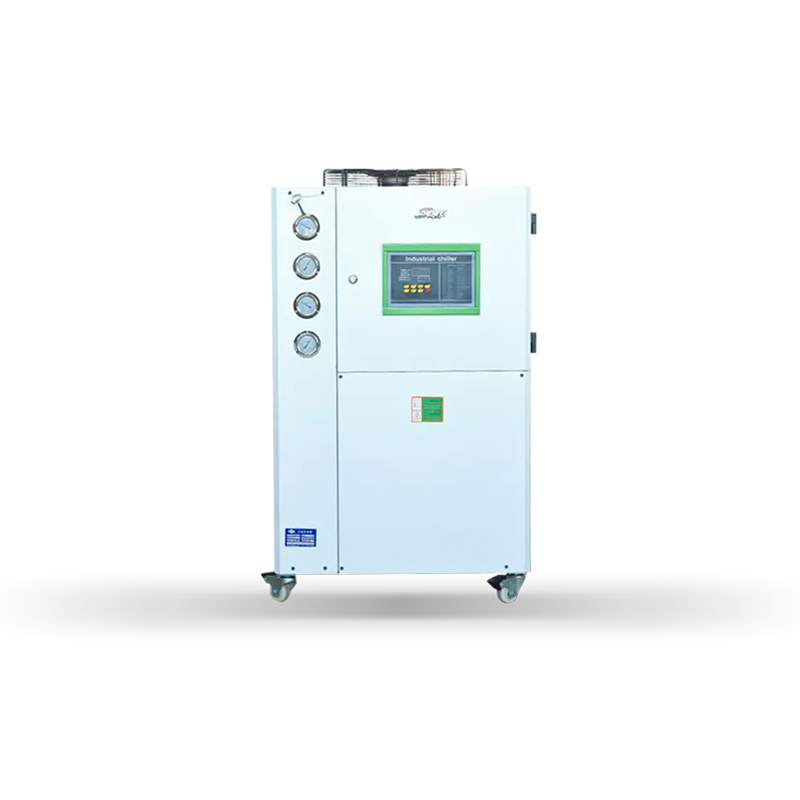
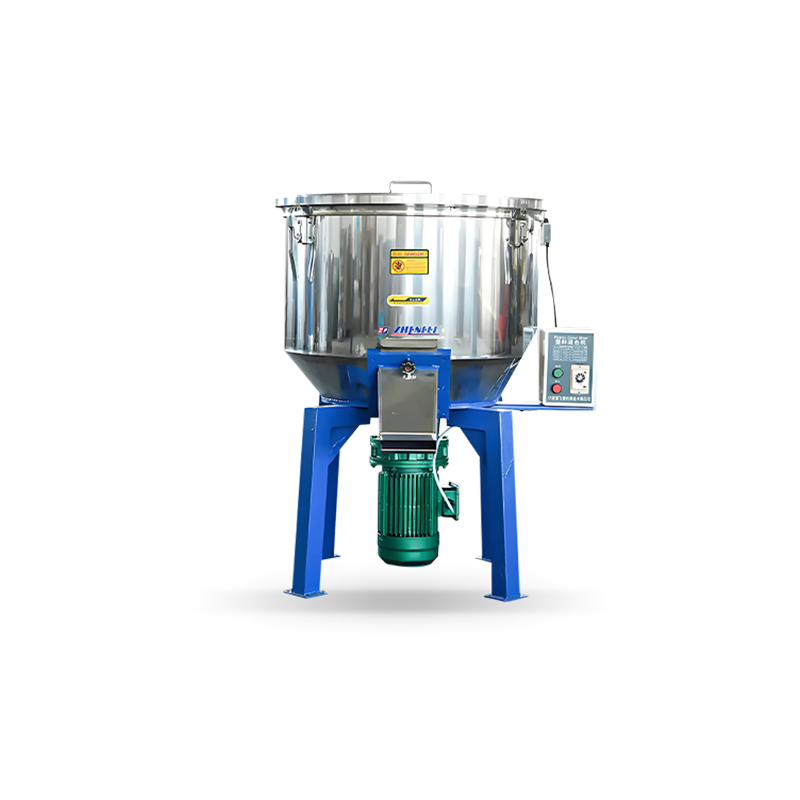
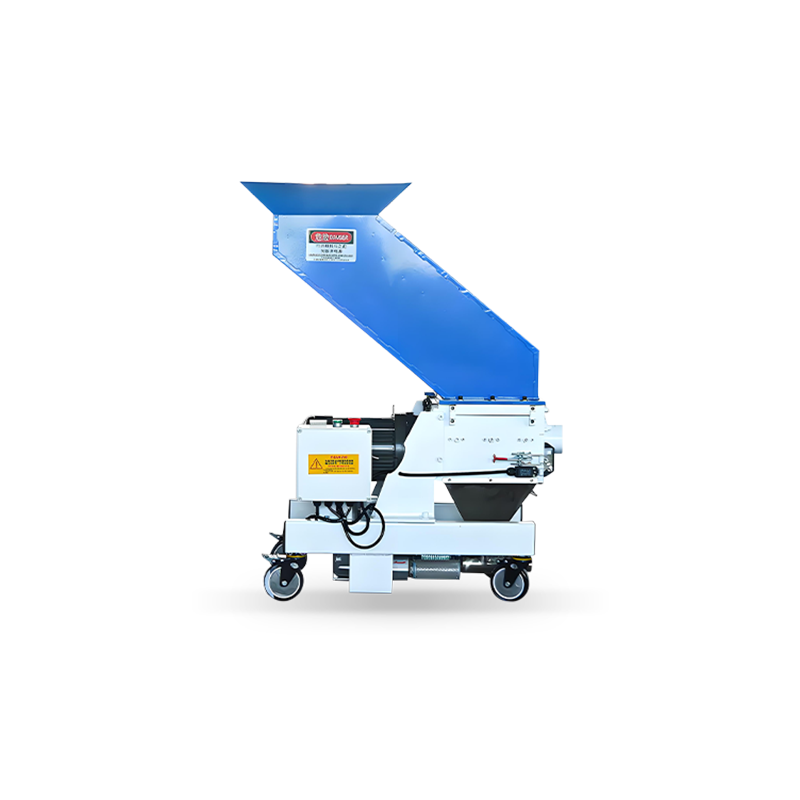
A production-ready injection molding cell typically includes: a material dryer (for hygroscopic resins), a mold temperature controller (water or oil-based), a chiller (to provide consistent cooling water), a granulator/regrinder (to recycle sprues and runners), a material conveying system (for automated hopper feeding), and often a robot or automation system for part removal, insert placement, or downstream inspection.
The Future of Injection Molding Machines: Smart Manufacturing and Sustainability
The injection molding industry is undergoing rapid transformation driven by digitalization, sustainability pressures, and material innovation. The next generation of plastic injection molding machines will be defined by several key trends.
- Industry 4.0 and IIoT integration: Modern machines increasingly feature OPC-UA connectivity, allowing real-time data streaming to MES and ERP systems. Predictive maintenance algorithms can alert operators to developing issues before failures occur, reducing unplanned downtime.
- AI-assisted process optimization: Machine learning systems are being integrated into control platforms to automatically tune injection parameters based on real-time quality feedback, reducing setup time and scrap rates.
- All-electric adoption growth: The energy cost advantages of electric injection molding machines become increasingly compelling as energy prices rise globally. All-electric market share in Europe exceeded 40% of new machine sales by 2023 and continues to grow.
- Processing of sustainable materials: Growing demand for bio-based polymers (PLA, PHA), recycled-content resins, and biodegradable materials requires machine adaptations including corrosion-resistant barrels, modified screw geometries, and advanced temperature control.
- Decentralized and micro-factory concepts: Compact, flexible injection molding cells — including small injection molding machines with integrated automation — are enabling on-demand local production closer to end markets, reducing logistics costs and lead times.
For buyers considering any injection molding machine purchase today, these trends suggest prioritizing machines with open communication protocols, energy-efficient drives, and software-upgradeable control systems to ensure long-term relevance in an evolving manufacturing landscape.
Key Takeaways for Beginners
For anyone new to injection molding, here is a concise summary of what you need to know to make informed decisions about equipment, process, and investment:
- An injection molding machine melts plastic and injects it into a mold under high pressure, producing parts in cycles as short as 10 seconds.
- The three core machine types — hydraulic, electric, and hybrid — each suit different applications, budgets, and precision requirements.
- Machine size is determined by clamping force (tonnes) and shot size (cm³) — always match these to your specific part and mold design.
- Injection molding machine price ranges from USD 5,000 for a mini benchtop unit to USD 2 million+ for large-tonnage precision machines — factor in total cost of ownership, not just purchase price.
- A used injection molding machine can offer excellent value but requires thorough inspection and a realistic assessment of maintenance needs and spare parts availability.
- Defect prevention starts with proper machine setup, material preparation, and mold design — not with troubleshooting after the fact.
- The industry is moving toward all-electric machines, smart manufacturing connectivity, and sustainable material processing — consider future-proofing when making purchasing decisions.

 Custom Zhenfei Electric Injection Molding Machine Manufacturers
Copyright © Ningbo Zhenfei Injection Molding Machine Manufacturing Co., Ltd. Rights Reserved.
Custom Zhenfei Electric Injection Molding Machine Manufacturers
Copyright © Ningbo Zhenfei Injection Molding Machine Manufacturing Co., Ltd. Rights Reserved.



 中文简体
中文简体 English
 Español
 中文简体
中文简体