Date:Jun 22, 2026
Content
For most mid-size injection molding or extrusion operations, a HAL vacuum autoloader with a 5-10 lb hopper capacity and a throughput rating of 100-300 lbs/hour covers typical single-machine resin loading needs. Larger production lines feeding multiple machines or processing high-density materials typically require units rated for 300-1,000+ lbs/hour with central loading configurations.
Below, we break down how to match capacity and throughput to your production volume, and walk through the key installation considerations that determine how reliably the system performs once it's running.
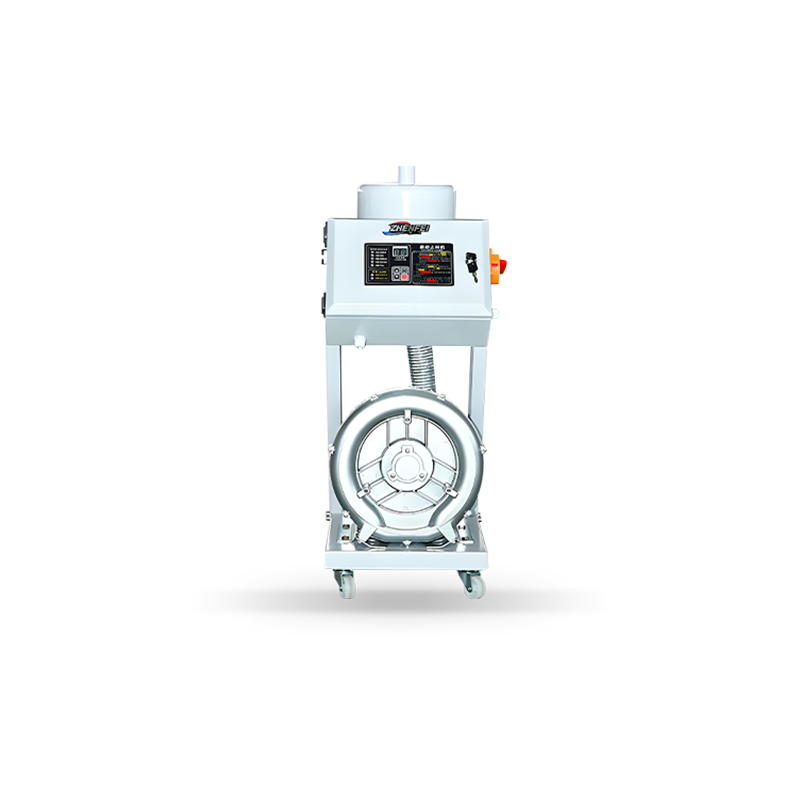
A vacuum autoloader transfers resin pellets, regrind, or powder from a storage source (such as a gaylord box, silo, or drum) into a machine's hopper using vacuum suction through a conveying line. This eliminates manual material handling, reduces contamination risk, and ensures a continuous, consistent material supply during production runs.
Removing manual loading typically reduces material handling labor by a measurable margin per shift, while also minimizing the risk of moisture or dust contamination that can occur with open manual transfer methods.
Hopper capacity determines how much material the autoloader holds and delivers per loading cycle. Undersized hoppers cycle more frequently, increasing wear on the vacuum pump, while oversized hoppers can be unnecessarily bulky for smaller machines.
| Machine Type | Recommended Hopper Capacity | Typical Throughput |
|---|---|---|
| Small injection molder (under 100 tons) | 2-5 lbs | 50-100 lbs/hr |
| Mid-size injection molder | 5-10 lbs | 100-300 lbs/hr |
| Extrusion line | 10-25 lbs | 300-600 lbs/hr |
| Central loading (multi-machine) | 25+ lbs | 600-1,000+ lbs/hr |
As a general guideline, size the hopper to hold at least 10-15 minutes of material consumption at your machine's maximum processing rate, which reduces cycle frequency and pump wear while avoiding excessive material dwell time that could lead to degradation in heat-sensitive resins.
Throughput refers to how much material the autoloader can convey per hour, and it's affected by several factors beyond the pump's rated capacity.
Always size your autoloader's rated throughput at least 20-30% above your machine's actual consumption rate to account for these real-world losses and avoid starving the machine during peak production cycles.
Proper installation is just as important as selecting the right capacity and throughput specifications. The following considerations help avoid common operational issues after setup.
Keep conveying lines as short and direct as possible, minimizing sharp bends. Each 90-degree elbow in the line adds resistance equivalent to several feet of straight pipe, so reducing the number of bends improves both throughput and pump longevity.
Mount the hopper unit securely above the machine's throat to prevent vibration-related loosening over time, particularly in operations running multiple shifts continuously. Anti-vibration pads are recommended for installations near sensitive precision equipment.
Most vacuum autoloaders include a filter to prevent dust and fines from entering the vacuum pump. Clogged filters are one of the most common causes of reduced throughput, so establishing a regular cleaning schedule — typically weekly for high-volume operations — helps maintain consistent performance.
Ensure the autoloader's control wiring is properly integrated with the molding or extrusion machine's hopper-level sensor, if applicable, so loading cycles trigger automatically based on actual material consumption rather than a fixed timer, which can lead to either overfilling or material starvation.
Once installed, a brief routine maintenance schedule helps maximize uptime and extend equipment life:
For most single-machine injection molding operations, a HAL vacuum autoloader with a 5-10 lb hopper and 100-300 lbs/hour throughput rating provides reliable, continuous material supply without unnecessary oversizing. Larger extrusion lines or multi-machine central loading systems should size up to 300-1,000+ lbs/hour units to keep pace with higher consumption rates.
Regardless of the model selected, prioritize a clean, direct conveying line route and a consistent filter maintenance schedule — these two factors have the greatest impact on whether the system delivers its rated throughput in real-world production conditions.

 Custom Zhenfei Electric Injection Molding Machine Manufacturers
Copyright © Ningbo Zhenfei Injection Molding Machine Manufacturing Co., Ltd. Rights Reserved.
Custom Zhenfei Electric Injection Molding Machine Manufacturers
Copyright © Ningbo Zhenfei Injection Molding Machine Manufacturing Co., Ltd. Rights Reserved.



 中文简体
中文简体 English
 Español
 中文简体
中文简体